

KHONSA,
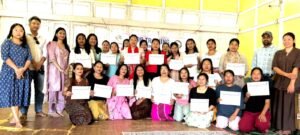
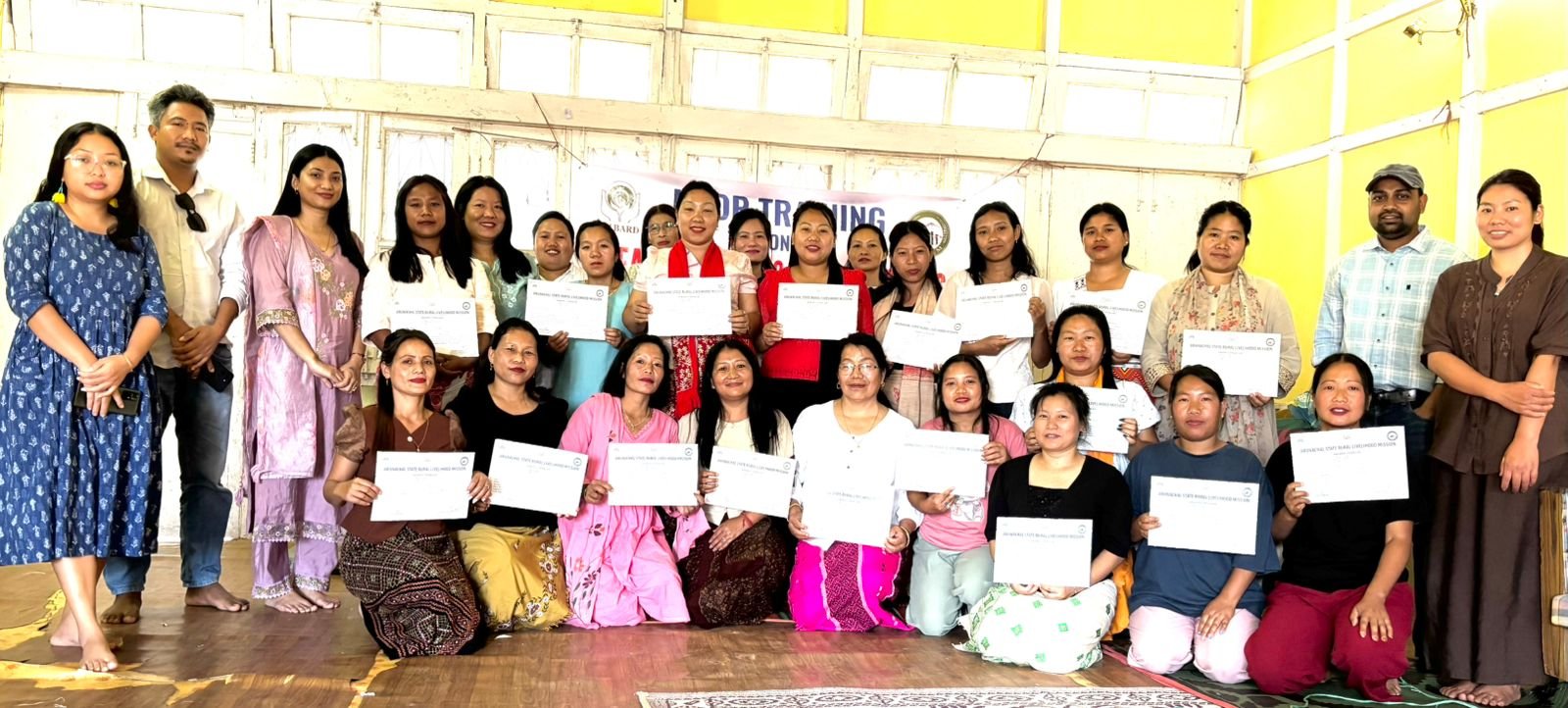
A 15-day Micro Enterprise Development Programme (MEDP) on bead décor and accessories making for Self Help Group (SHG) members of Khonsa block concluded on Friday at the Arunachal State Rural Livelihoods Mission (ArSRLM) training hall in Khonsa village.
The programme was funded by the National Bank for Agriculture and Rural Development (NABARD) and implemented by ArSRLM through the Block Mission Management Unit (BMMU), Khonsa.
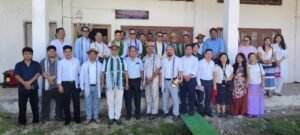
The training programme was inaugurated on April 21 by State Bank of India (SBI), Khonsa Branch Manager S Manpong in the presence of Tirap Deputy Development Commissioner R Wangsu, NABARD officials and ArSRLM Block Mission Manager C Lowang.
During the inaugural session, SBI Khonsa Branch Manager S Manpong sensitised SHG members on credit linkage schemes and interest rates for SHGs while assuring support to rural women entrepreneurs.
The programme aimed at enhancing livelihood opportunities and income generation capacities of rural women through skill development and entrepreneurship promotion.
Participants received hands-on training in bead décor and accessories making, including earrings, necklaces, bracelets, key chains, fridge magnets and other decorative items.
Organisers said bead craft is one of the traditional cultural identities of Tirap and Longding districts, and the programme sought to preserve and promote the indigenous art form while creating sustainable livelihood opportunities for women.
Apart from technical training, sessions were also conducted on business development planning, basic accountancy, enterprise management, credit linkage, packaging, branding and marketing to equip participants with entrepreneurial skills required for managing micro enterprises.
As part of the learning programme, trainees were taken on an exposure visit to the District Emporium and traditional outlet stores to gain practical understanding of product display and marketing techniques.
Officials said the initiative is expected to encourage SHG members to establish bead craft-based enterprises, contributing to women empowerment, preservation of traditional craftsmanship and strengthening of the rural economy in the region. (DIPR)