

ONLINE AGE

(Online version of the Arunachal Age newspaper)

Latest News

Latest News, Popular News, State News

Khandu assures 24×7 power, water supply, parking at RKM Hospital

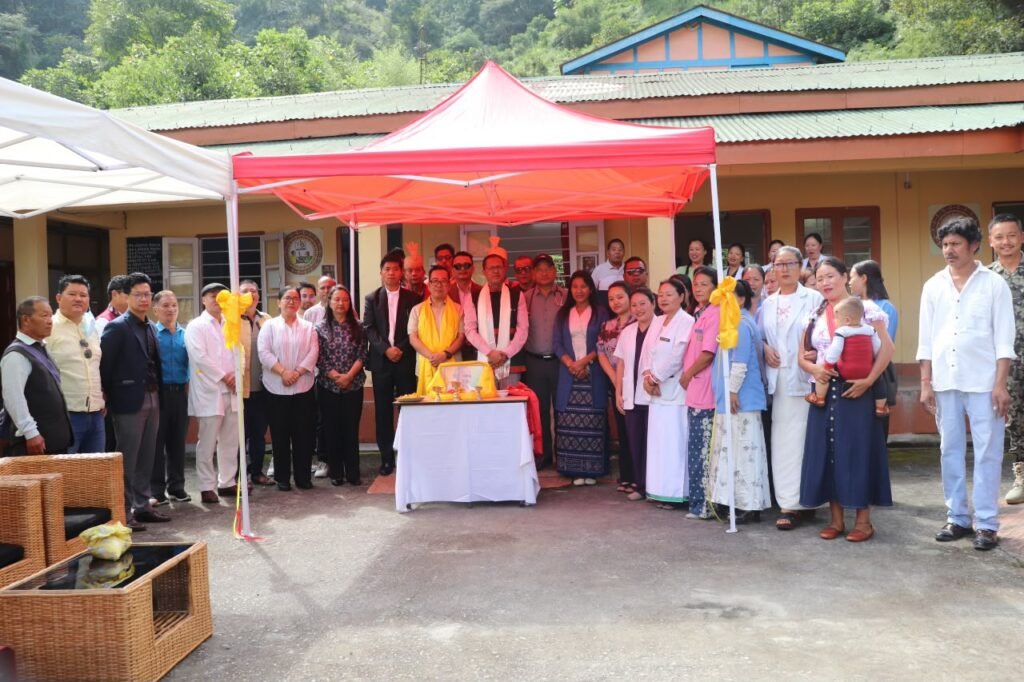
Manoj Singh ITANAGAR, OCT 4: Chief Minister Pema Khandu on Sunday said the State Government would facilitate round-the-clock power and water supply and parking facilities at Ramakrishna Mission (RKM) Hospital, Itanagar, on the lines of arrangements made at major government healthcare institutions. Speaking to media persons after inaugurating a dedicated 33kV power substation and Phase-II staff quarters at the hospital, Khandu said the contribution of the Ramakrishna Mission to healthcare and education in Arunachal Pradesh was significant and deserved continued support. He recalled the Mission’s longstanding presence in the State, beginning with the establishment of the RKM School at Aalo in 1966, followed by the institution at Narottam Nagar in 1972 and the hospital at Itanagar. He said the Mission had continued to serve the people through its healthcare and educational initiatives. “We cannot just forget their contribution. It is the responsibility of all of us to support and help the institution as it continues its work in the health and education sectors of the State,” Khandu said. On the ongoing 200-bed expansion of RKM Hospital, the Chief Minister said the project was progressing and expressed hope that it would be completed within the next one to two years. On water supply, Khandu said rapid urbanisation in the Itanagar-Naharlagun capital region could lead to a water shortage in the coming years. He said the State Government had been discussing a major water supply project with the Public Health Engineering Department (PHED) and had already initiated steps towards taking it forward. He said he had instructed the concerned department to process the proposal for a dedicated power and water supply line for RKM Hospital. The State Government would also support water conservation and rainwater harvesting initiatives, he added. Khandu further said the RKM authorities had accepted the State Government’s request to establish two colleges, one each at Aalo and Narottam Nagar. He said the institutions were expected to be started soon. On parking facilities in the Itanagar-Naharlagun capital region, Khandu said he had asked the Itanagar Municipal Corporation (IMC) Mayor and Itanagar MLA Techi Kaso to identify suitable locations. He said a site for a parking facility at RKM Hospital had already been surveyed and identified and that construction would be taken up soon. Khandu said the Vivekananda Bhavan Phase-II, comprising 18 staff quarters, and the 33kV power substation inaugurated on Sunday would address basic infrastructure requirements of the hospital. He stressed that reliable power supply and decent accommodation for healthcare workers were essential for a good healthcare institution. Later, the Chief Minister attended the hospital’s annual award ceremony and appreciated doctors, nurses and other staff for their service and commitment to the institution. Home and Border Affairs Minister Mama Natung, PHED Minister’s Advisor and Koloriang MLA Pani Taram, Power Minister’s Advisor and Tali MLA Jikke Tako, officials of the Power and Health departments, local leaders, RKM authorities, medical professionals and others were present.        
Latest News, Popular News, State News

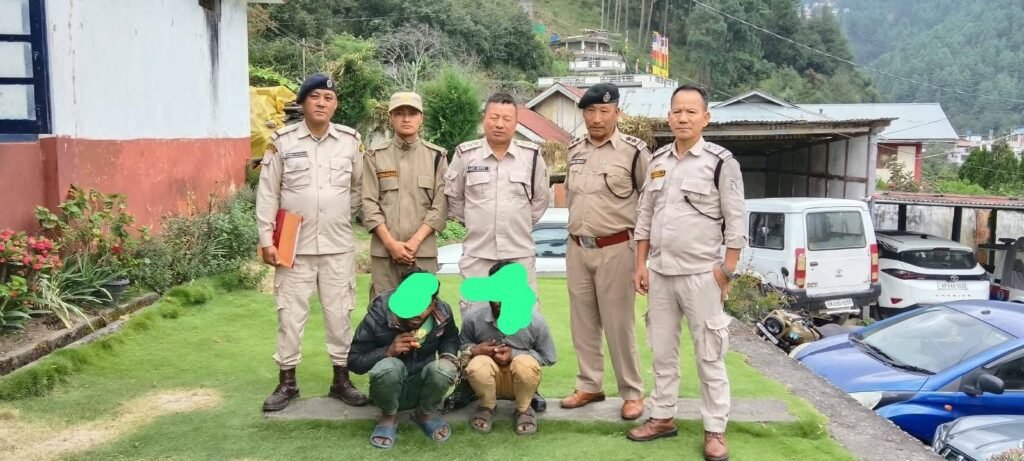
Two arrested in Tawang burglary case, stolen items recovered

TAWANG, OCT 4: Tawang Police, with operational support from Dirang Police, have cracked a burglary case reported from Khrimu village and arrested two persons, recovering several stolen articles. A formal complaint was lodged by Khrimu resident Tenzin Lhamu at around 6.15 pm on October 2, reporting that cash, old currency notes, traditional local items, silver ornaments and a silver finger ring had been stolen from her house. A case was registered at Tawang Police Station under Sections 329 and 305 of the Bharatiya Nyaya Sanhita (BNS). A police team led by Tawang Police Station Officer-in-Charge Inspector N. Angu, along with SI Lham Thinle, SI Sangey Wangchu, Constable Sonam Dawa and Constable (Driver) Tenzin Namgey, was constituted under the supervision of Tawang SP Tasi Darang (APPS). The team analysed local CCTV footage and traced the suspects with the active operational support of Dirang Police. The arrested persons have been identified as Mahibul Islam, 28, son of Nurul Islam, and Jahirul Islam, 33, son of Nurul Islam, both residents of Aminpara village under Rowta police station in Udalguri district of Assam. Police recovered traditional local items, silver ornaments, silver finger rings, ATM cards and various identity documents from the accused. The accused have been remanded in police custody for further questioning and investigation.  

Latest News, Popular News, State News

DC Oli Perme inspects heritage sites in Bamin Michi

ZIRO, OCT 4: A joint official delegation led by Deputy Commissioner Oli Perme, accompanied by BJP District General Secretary Tamo Obing and District Agriculture Officer (DAO) Leegang Ania, visited Bamin Michi village to inspect the historic Piichang Putu archaeological site and the sacred Pamu Yalang Viewpoint. The delegation was received and guided by Pamu Yalang Welfare Committee Chairman Bamin Baro and Secretary Bamin Tajang. The visit focused on reviewing preservation efforts at the sites, examining historical findings and exploring eco-tourism infrastructure while safeguarding the valley’s cultural heritage. Located at Nami Tanyang in Bamin Michi, around 3 km north of Hapoli at an altitude of 1,546–1,562 metres, Piichang Putu is regarded as an ancient pottery production centre traditionally operated by Apatani women artisans. Explorations and excavations conducted by the Directorate of Research in collaboration with the Pamu Yalang Welfare Society have unearthed handmade cord-marked potsherds, terracotta coins, iron implements including dinko and dao, hematite and glass beads, charcoal fragments and structural timber posts. Scientific AMS radiocarbon dating conducted by Beta Analytic Inc., Miami, has identified three occupational phases at the site: the 5th–7th centuries AD, the 16th century AD, and the 18th century to the mid-20th century AD. Traditional pottery production reportedly continued at the site until around 1950. The delegation also visited the sacred Pamu Yalang Viewpoint, locally known as “Hawk’s Rock”, situated on the hills overlooking Bamin Michi. Rooted in Apatani oral traditions and cultural identity, the viewpoint offers a panoramic view of the Ziro Valley and has potential for community-led eco-tourism and heritage conservation. Perme commended the Pamu Yalang Welfare Committee for its efforts to preserve the area’s heritage. She stressed the importance of combining scientific archaeological research with oral history in documenting and protecting Arunachal Pradesh’s cultural legacy, while ensuring active community participation in sustainable eco-tourism development. (DIPR)  

Latest News, Popular News, State News

Over 250 elephants saved from collisions with trains under NFR limits in 9 months

GUWAHATI, OCT 4: The Northeast Frontier Railway on Sunday said more than 250 elephants have been saved from train hits in the last nine months through intensified efforts by all stakeholders in its jurisdiction. From January to September this year, timely interventions by the railway personnel helped save 255 elephants across its Alipurduar, Rangia, Lumding and Tinsukia divisions, NFR chief spokesperson Kapinjal Kishore Sharma said. A combination of NFR’s technology-driven systems, enhanced vigilance and close coordination with the forest department has led to the success, he said. The NFR has taken several proactive and technology-driven measures to prevent elephant–train collisions in vulnerable areas. These include deployment of an AI-based Intrusion Detection System (IDS) using Distributed Acoustic System (DAS) technology, which provides real-time alerts on elephant movement near tracks. Other preventive measures include night-time and temporary speed restrictions based on elephant sightings, enhanced patrolling, sensitisation of train crews, cautionary signage, vegetation clearance and real-time coordination with the forest department, the NFR spokesperson said. The ‘Plan Bee’ system, using amplified honeybee sounds to keep wild elephants away from train tracks, has also been installed at vulnerable locations. The NFR has also undertaken the construction of underpasses at identified locations to facilitate safer wildlife movement and keep elephants away from railway tracks, the spokesperson said. The railway is also undertaking regular sensitisation of train crews, staffers, pantry car personnel and passengers to prevent food waste from being discarded near railway tracks, which could attract elephants and other animals. “Continuous coordination and real-time communication with the forest department further enable timely action whenever elephant movement is detected,” Sharma added. (Source: PTI)    

Latest News, Popular News, State News

CM calls for expansion of coffee cultivation, value chain in Arunachal

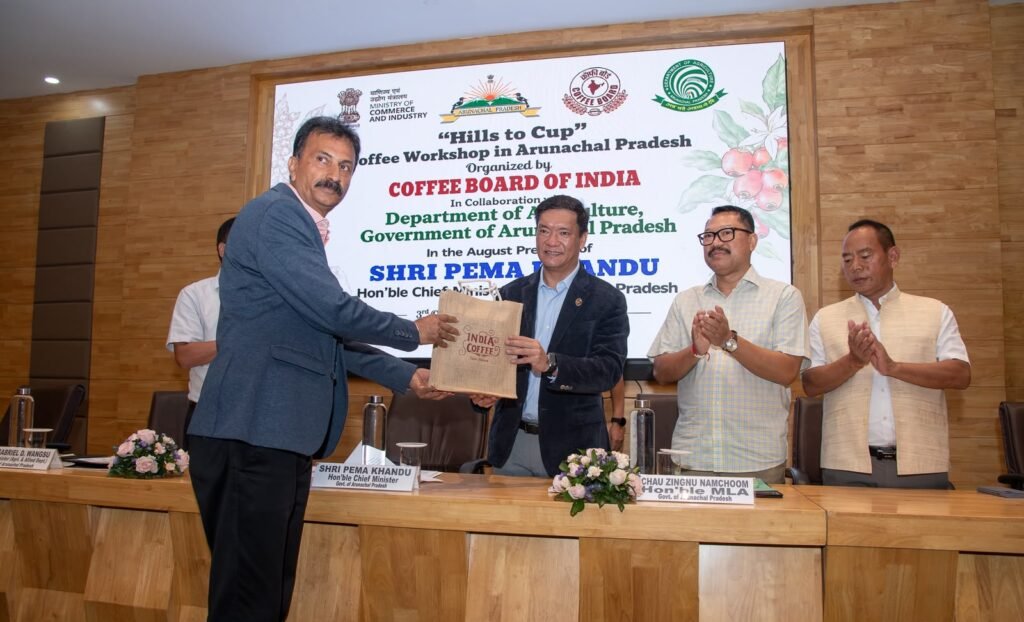
ITANAGAR, OCT 3: Chief Minister Pema Khandu on Saturday called for concerted efforts to expand coffee cultivation in the State, improve productivity and bean quality and enhance the incomes of coffee growers through a stronger value chain. Addressing the inaugural ceremony of the ‘Hills to Cup’ Coffee Workshop organised by the Coffee Board of India in collaboration with the Department of Agriculture, Khandu said coffee cultivation was not new to Arunachal Pradesh, having begun nearly five decades ago. However, he noted that its potential had not received adequate awareness and promotion over the years. Describing the workshop as an important beginning in the State’s renewed journey towards coffee cultivation, the Chief Minister said it brought growers, young entrepreneurs, technical experts and other stakeholders onto a common platform. “This is, in a way, the first chapter of Arunachal Pradesh stepping towards the history of coffee in Arunachal Pradesh,” he said. Khandu said the State Government would follow up on the outcomes of the workshop and explore appropriate policy interventions to support coffee growers and entrepreneurs. He recalled that a three-member delegation comprising Agriculture officials, a retired Principal Chief Conservator of Forests and the Chairman of the Arunachal Pradesh Forest Corporation had visited Andhra Pradesh and other states to study coffee cultivation practices and development models. Following the delegation’s report, the State Government invited the Chairman and Director of the Coffee Board of India to Arunachal Pradesh, which subsequently led to the organisation of the workshop. The Chief Minister said the workshop would help identify technical gaps and challenges faced by growers, following which experts from the Coffee Board would prepare recommendations for the State Government. “As they recommend, the State Government will extend full support to you in the coming days,” he assured the participants. Khandu said that while the State had introduced several agriculture and horticulture interventions over the past five to six years, coffee had not received a dedicated policy intervention so far. He said he would personally follow up with the Coffee Board to determine appropriate policy measures to support the sector. According to Agriculture Department data cited by the Chief Minister, Arunachal Pradesh currently has around 600 hectares under coffee cultivation. A substantial portion of the existing plantation is under the Arunachal Pradesh Forest Corporation in eastern Arunachal, while several growers have taken up coffee cultivation as pilot or model initiatives. Highlighting the State’s diverse agro-climatic conditions, fertile land and availability of different climatic zones, Khandu said Arunachal Pradesh had favourable conditions for expanding coffee cultivation. He stressed that the focus should not be limited to increasing the area under cultivation, but should also include improving productivity per hectare, bean quality and growers’ incomes through value addition and a stronger value chain. The Chief Minister also identified coffee as a potential avenue for youth entrepreneurship, particularly with the State’s growing tourism sector. “Tourists who come to Arunachal always prefer coffee. With tourism growing so much in Arunachal, this is a very good avenue for our youngsters,” he said. He urged young people to explore coffee cultivation, processing and allied enterprises as avenues for employment and entrepreneurship and called upon growers and entrepreneurs attending the workshop to use the technical sessions to raise their queries and seek practical guidance from Coffee Board experts. Khandu said the State Government would continue to support the sector based on recommendations emerging from the technical consultations, with the broader objective of strengthening coffee cultivation and its value chain in Arunachal Pradesh.    

Latest News, Popular News, State News

Arunachal exploring geothermal energy for remote, border areas: Pul

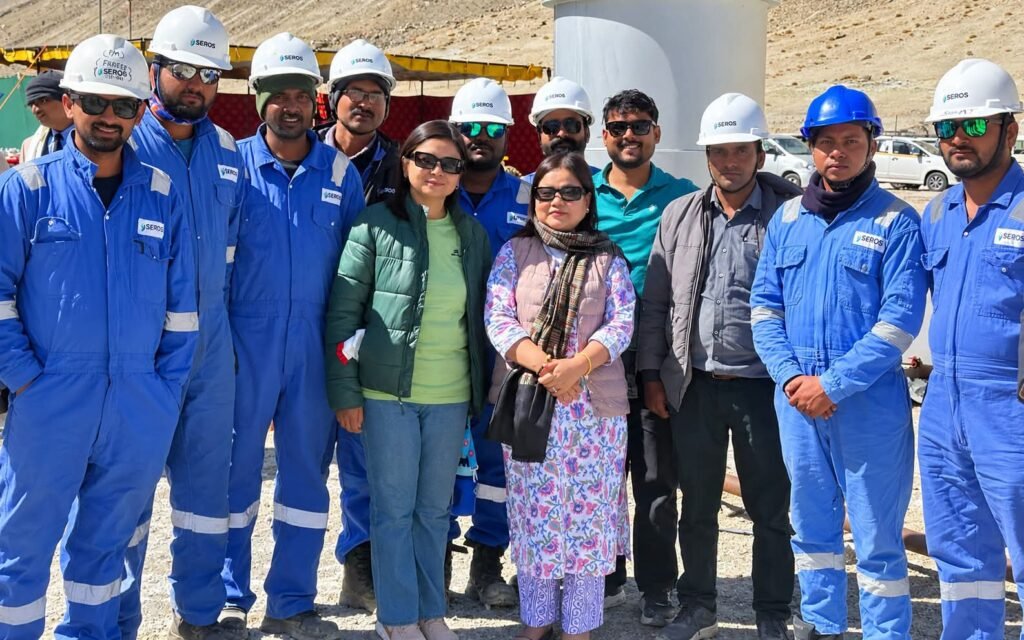
ITANAGAR, OCT 3: Arunachal Pradesh is exploring the potential of geothermal energy to provide clean, reliable and locally generated power, particularly in remote and border areas of the state, Science and Technology Minister Dasanglu Pul said on Saturday. Pul, accompanied by Centre for Earth Sciences and Himalayan Studies Director Tana Tage and geologists from the department, visited the ONGC Geothermal Project at Puga Valley in Ladakh to study geothermal exploration, drilling and clean-energy generation under high-altitude Himalayan conditions. The visit assumes significance as geothermal prospects have been identified in the Mago-Thingbu belt of Tawang district, with the state estimating a potential of around 10-15 MW. Scientific investigations into Arunachal’s geothermal resources have been underway for several years. In March 2024, CESHS, in collaboration with the Norwegian Geotechnical Institute and Iceland-based Geotropy, carried out field investigations and geological structural mapping of hot-spring sites at Mago, Thingbu and other locations. The studies are aimed at assessing geothermal resources for applications including electricity generation, heating and cooling, agricultural produce drying and other locally suitable clean-energy uses. CESHS and Oil India Limited subsequently moved towards pre-feasibility studies involving surface and subsurface investigations at Mago, Thingbu, Damteng and Tsechu in Tawang district. The Centre has also reported field investigations at five geothermal sites in Tawang, namely Damteng, Grengkhar, Mago, Thingbu and Tsechu where samples were collected for geochemical analysis. “Arunachal Pradesh is blessed with immense natural resources, and our endeavour is to harness this potential responsibly for a sustainable future,” Pul said. She said insights gained from the Puga project would strengthen the state’s efforts to explore geothermal energy, especially for remote and strategically located border areas. Pul also appreciated ONGC and its execution partner SEROS for sharing their technical expertise and field experience. (Source: PTI)  

Latest News, Popular News, State News

APSCPCR members inspect Anganwadi centres in Lower Subansiri

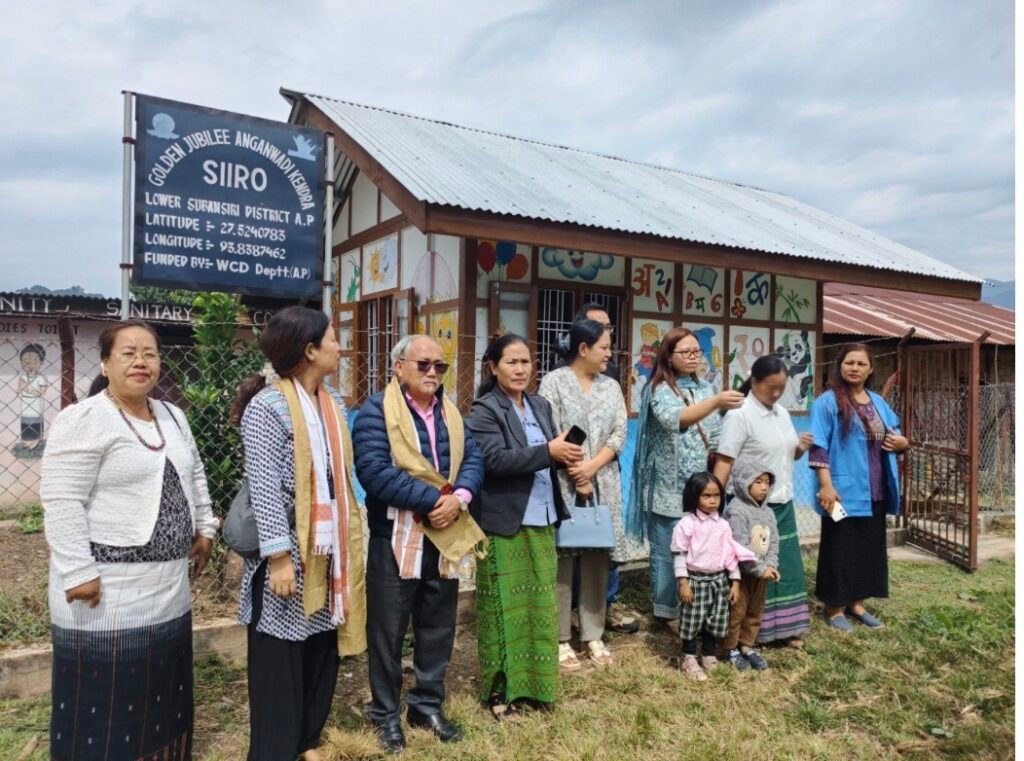
ZIRO, OCT 3: Members of the Arunachal Pradesh State Commission for Protection of Child Rights (APSCPCR) Niri Chongrowju and Taba Champa inspected five Anganwadi Centres in Lower Subansiri district on Saturday to review their functioning and assess the delivery of child care and nutrition services. The centres inspected included Lankhing Anganwadi Centre in Lempia village, Reru-II, Hari-I, Siiro and Siibey. The delegation was accompanied by Women & Child Development (W&CD) Department Deputy Director Kago Maya Gyati and Ziro-I Integrated Child Development Services (ICDS) Project Child Development Project Officer (CDPO) Takhe Rinyo Bullo. During the inspection, the APSCPCR members interacted with Anganwadi Workers and Helpers to assess daily nutrition services, early learning activities and the implementation of child welfare programmes. The interactions also provided frontline workers an opportunity to highlight operational challenges. The Commission members stressed the need to maintain safe, nurturing and child-friendly spaces and urged Anganwadi workers to remain committed to holistic child care, nutrition and early childhood development. The delegation also distributed sweets among children at the centres. The visit underscored the importance of coordination among the child rights commission, W&CD Department and frontline ICDS functionaries in strengthening early childhood care, protection and development services in the district.  

Latest News, Popular News, State News

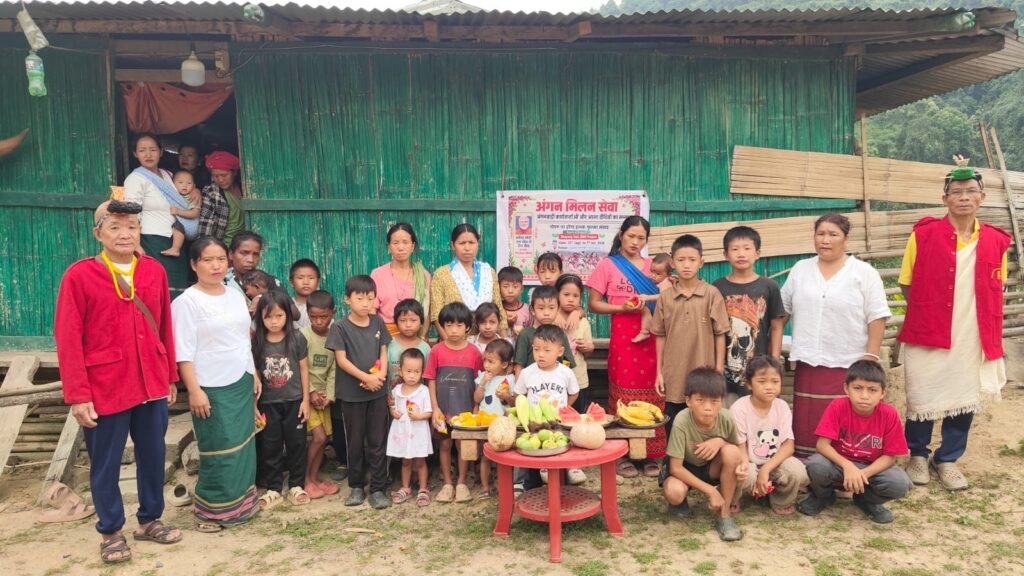
Chayangtajo ICDS organises community progs under Seva initiatives

CHAYANGTAJO, OCT 3: The Chayangtajo Integrated Child Development Services (ICDS) Project in East Kameng is conducting a series of community-oriented programmes from September 25 to October 7 under “Angan Ka Utsav”, “Angan Milan Seva”, “Jan Seva Se Desh Seva” and “Seva Sankalp Abhiyan” across various Anganwadi Centres under the project. The programmes are being held at 28 locations, including Nari Camp, Mangfi Mangam, Bodi, Nampe Beyong, Langruk Tajo, Domdila, Kamke, Sawa HQ, Eri Tajo, Tajo Village, Paffa, Laching Bagang, Sangchu Sullong, Jayang Bagang, Killo, Jomoh, Wallong, Doripu Bagang, Wada Bagang, Rebe, Namchar Bagang, Tamak Sullong, Soshi Bagang, Chayangtajo HQ, Hara Yangfo, Kese Bagang, Krema Pao and Tarawa Yangfo, with active participation from local communities and stakeholders. At programmes held at Nari Camp, Nampe Beyong, Eri Tajo and Domdila Tajo, Chayangtajo MLA-cum-Advisor to the Minister of Water Resources Department Hayeng Mangfi, BJP Chayangtajo Mandal president Sama Bagang, BJP Mandal Mahila Morcha members, heads of departments, officials and other stakeholders participated. During the programmes, Mangfi interacted with Anganwadi Workers (AWWs), Anganwadi Helpers (AWHs), ASHA workers, beneficiaries, Gram Panchayat representatives, Self-Help Groups (SHGs) and other community stakeholders. Discussions focused on nutrition, maternal and child health, immunisation, maternal support, early childhood care and development and effective delivery of community-based services. The programmes seek to make Anganwadi Centres more vibrant and responsive platforms for women and children while strengthening the participation of Panchayati Raj Institutions (PRIs), SHGs, Village Health, Sanitation and Nutrition Committees (VHSNCs), frontline workers and beneficiaries in ICDS services. The Chayangtajo ICDS Project aims to develop every Anganwadi Centre as a hub for nutrition, care, learning, awareness and community participation, while promoting community ownership and sustained cooperation among government functionaries, frontline workers, PRI representatives, SHGs and local communities for the holistic development and well-being of women and children.  

Latest News, Popular News, State News

315 benefit from mega health camp at Singchung

SINGCHUNG, OCT 3: A Joint Seva Setu Camp under the PM Surya Ghar: Muft Bijli Yojana and a Mega Health Camp were organised at the Primary Health Centre (PHC), Singchung, on Friday to commemorate the birth anniversaries of Mahatma Gandhi and former Prime Minister Lal Bahadur Shastri. Thrizino-Buragaon MLA Tenzin Nyima Glow, West Kameng Deputy Commissioner Dr Dilip Kumar, Director of Health Services Dr Marbom Basar and Singchung Additional Deputy Commissioner Murnya Kakki attended the programme along with Zilla Parishad Members (ZPMs), PRI members and heads of offices of Singchung Sub-Division. Organised by the District Health Society, West Kameng, the mega health camp witnessed the participation of 315 people and provided a range of specialist healthcare services through teams from Zonal General Hospital (ZGH), Bomdila and PHC Singchung. Services included general medicine, surgery, paediatrics, gynaecology, dental care, pathology, tuberculosis (TB) screening, non-communicable disease (NCD) screening and diagnostic services. A total of 81 Ayushman Bharat Health Account (ABHA) cards were generated, while 95 people underwent TB screening through X-ray and 150 underwent NCD screening. The medical teams attended to 51 surgical, 40 paediatric, 50 dental and 41 general health cases. Cervical screening was conducted for 22 women and 15 ultrasonography (USG) examinations were also carried out. Under the Seva Setu Camp, the public was sensitised to the benefits and provisions of the PM Surya Ghar: Muft Bijli Yojana. (DIPR)    

Latest News, Popular News, State News

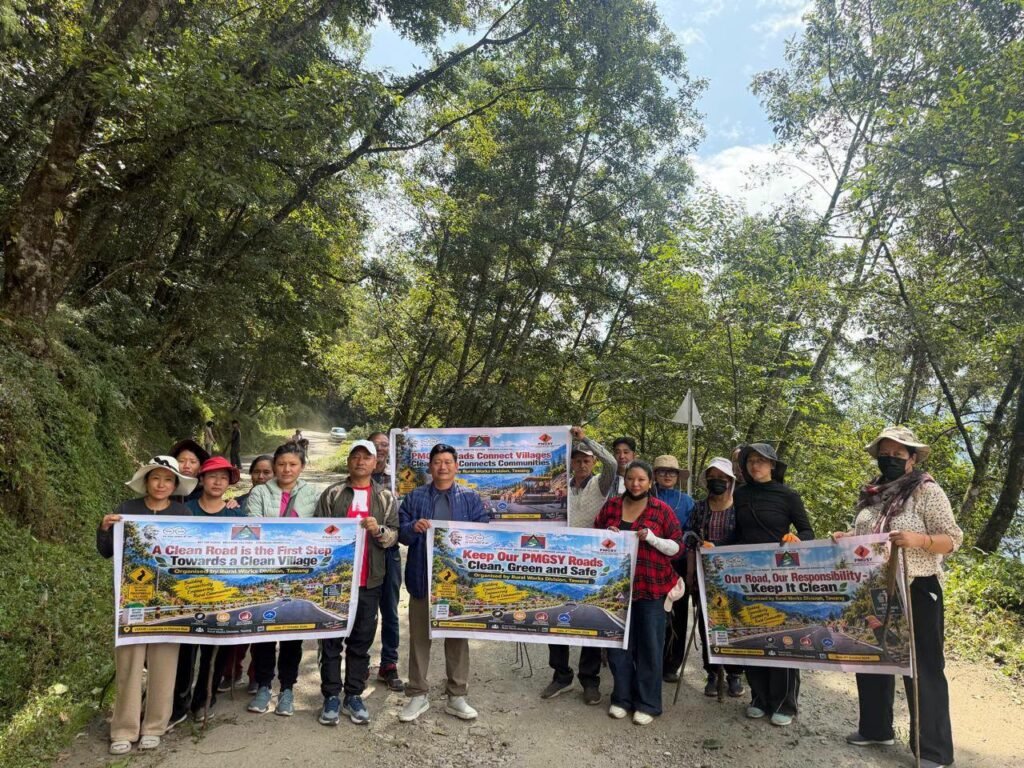
Seva Pakhwada promotes safer, cleaner rural roads in Tawang

TAWANG, OCT 3: The Rural Works Department (RWD), Tawang, organised a special road maintenance and cleanliness programme along a Pradhan Mantri Gram Sadak Yojana (PMGSY) road in Kyidphel Block on October 2 as part of Seva Pakhwada, marking Gandhi Jayanti. The programme was held under the theme “Seva for Better Rural Connectivity – PMGSY” and attended by RWD Superintending Engineer Er. Mukling Tayeng, Kyidphel Assistant Commissioner Sange Norbu and RWD Tawang Executive Engineer Er. Phurpa Tsering, along with RWD officials, road construction workers and other participants. The initiative seeks to promote safe, clean and well-maintained rural roads while encouraging community participation and collective responsibility for rural infrastructure. Under the Special Road Maintenance and Upkeep Drive, PMGSY road stretches are being inspected for routine maintenance deficiencies, including potholes, damaged shoulders and edge drops, blocked or damaged drains and culverts, vegetation obstructing visibility and other minor defects affecting road safety and serviceability. Special attention is being given to vulnerable locations near habitations, schools, markets, junctions and sharp curves. Missing or damaged road signs, faded road markings, inadequately marked speed breakers, obstructed sight distances and damaged safety structures are also being identified for corrective measures. Cleanliness drives are being undertaken along selected PMGSY roads, approaches, drains and culverts with the participation of Gram Panchayats and local communities. The campaign focuses on removing litter and waste and promoting collective responsibility for keeping rural roads clean and safe. Priority is being given to roads connecting schools, health facilities, markets and other important public facilities, as well as relatively high-traffic rural habitations. The initiative underscores the broader objective of PMGSY to ensure that rural road connectivity remains safe, reliable, clean and serviceable for communities. (DIPR)