

ONLINE AGE

(Online version of the Arunachal Age newspaper)

Latest News

Latest News, Popular News, State News

Wangsu urges Centre to strengthen NE seed systems, farmer support mechanisms

NEW DELHI : Arunachal Pradesh raised key concerns relating to seed systems, indigenous germplasm and organic farming during the National Conference on Agriculture for Kharif Campaign 2026 held in New Delhi. The two-day conference was chaired by Union Agriculture and Farmers’ Welfare Minister Shivraj Singh Chouhan and attended by Union Minister of State Ram Nath Thakur, Agriculture Ministers from various states, senior officials of the Department of Agricultural Research and Education (DARE), Indian Council of Agricultural Research (ICAR) and the Government of India. Representing the state, Arunachal Pradesh Agriculture and Horticulture Minister Gabriel D Wangsu highlighted several issues concerning the agriculture and horticulture sectors in the Northeast, with special focus on strengthening seed systems and promoting sustainable farming practices. Addressing the conference, Wangsu stated that quality seed remains the most critical agricultural input for enhancing productivity and ensuring food security. He urged the Centre to ensure timely allocation and release of funds under seed-related components and called for development of more certified seed varieties suited to the agro-climatic conditions of the Northeastern region. The minister stressed that locally adapted and indigenous germplasm often perform better under local conditions than externally introduced varieties. He proposed greater flexibility in the use and promotion of indigenous germplasm suited to the region. Wangsu also advocated promotion and multiplication of indigenous seed varieties through Government Seed Farms, Krishi Vigyan Kendras (KVKs), Farmers’ Training Centres (FTCs) and ICAR institutions. He further proposed empanelment of local and regional seed companies for production of seeds tailored to local agro-climatic conditions. Highlighting challenges faced by farmers in remote areas, the minister sought enhanced support under the Seed Village Programme and the Sub-Mission on Seed and Planting Material (SMSP) for strengthening seed infrastructure, farmer training and seed distribution systems. He also requested enhanced financial assistance considering the high cost of certified seeds and the limited purchasing capacity of farmers in remote Northeastern states. On sustainable agriculture, Wangsu said Arunachal Pradesh, being “largely organic by default,” intends to promote organic and bio-based crop protection measures in line with the Mission Organic vision of the Government of India. He called for greater emphasis on the promotion of bio-pesticides, bio-fungicides, sticky traps and light traps for environmentally safe and sustainable crop protection. The minister noted that bio-based crop protection measures offer long-term sustainability benefits while reducing health hazards associated with chemical pesticide residues. Wangsu further proposed the introduction of a dedicated Organic Bio-based Crop Protection Scheme under Government of India programmes. Expressing optimism, he said the state government remains hopeful that the concerns and proposals placed before the conference would receive due consideration in the interest of farmers, sustainable agriculture and inclusive national development. In his concluding remarks, Union Agriculture Minister Shivraj Singh Chouhan expressed satisfaction over the active participation and constructive deliberations during the conference. He urged all stakeholders to ensure effective implementation of the discussions at the grassroots level. Emphasising environmentally responsible farming practices, Chouhan stressed the need to safeguard agricultural land and ecological balance through the “Khet-Bachao Mission.” He also appealed to the Centre, states, ICAR institutions, agricultural universities and KVKs to work collectively towards balanced fertiliser use and sustainable farming practices. Senior officials from Arunachal Pradesh, including Secretaries of the Agriculture and Horticulture Departments, also attended the conference.      
Latest News, Popular News, State News

Arunachal records world’s highest elephant presence, unveils plan to tackle human-wildlife conflict

ITANAGAR : Elephants in Arunachal Pradesh have been recorded at elevations above 3,000 metres above sea level, marking the highest known elephant presence documented anywhere in the world, according to a new assessment conducted by WWF-India and the state Forest department. The findings were presented in a report titled ‘Managing Human–Elephant Conflict in Arunachal Pradesh: A Strategy and Action Plan’, released by Advisor to the minister for Environment, Forests and Climate Change, Wanglin Lowangdong. Describing the publication as timely and significant, Lowangdong said human-wildlife conflict, particularly involving elephants, remains a serious concern in the state. The statewide assessment, carried out between December 2024 and March 2026, documented elephant distribution, human-elephant conflict (HEC) hotspots, habitat pressures and landscape connectivity across Arunachal Pradesh. It is the first comprehensive effort to assess the scale, intensity and trends of human-elephant interactions in the state. The study also provides the first baseline data on crop losses, property damage and human casualties caused by elephants. Information on conflict incidents was compiled from elephant-bearing forest divisions using forest department records and consultations with local communities. According to the report, habitat loss, degradation and fragmentation are among the major drivers of conflict between humans and elephants. It proposes measures to reduce human casualties, compensate for crop losses and promote community-led approaches to create safer shared spaces for both people and elephants. WWF-India’s national lead for Elephant Conservation, Dr Aritra Kshettry, stressed the importance of maintaining habitat connectivity to reduce conflict. He said fragmented landscapes often push elephants into human-dominated areas, increasing the chances of encounters. Kshettry expressed hope that the action plan would serve as a valuable tool for strengthening coexistence between people and elephants in Arunachal Pradesh. State Principal Chief Conservator of Forests and Head of Forest Force P Subhramanyam said human-elephant conflict has become a growing concern in the state, and that promoting coexistence is essential. He said the action plan would help guide interventions aimed at reducing conflict and improving human-elephant coexistence. Besides recommending immediate management measures, the report highlights the need for a stronger scientific understanding of human-elephant conflict in the state. It was observed that with evidence-based planning and locally driven action, Arunachal Pradesh has the potential to emerge as a model for managing human-elephant coexistence in rapidly changing landscapes. (Source: PTI)      

Latest News, Popular News, State News

First Nyishi IPS officer Chukhu Apa retires after 34 years of service

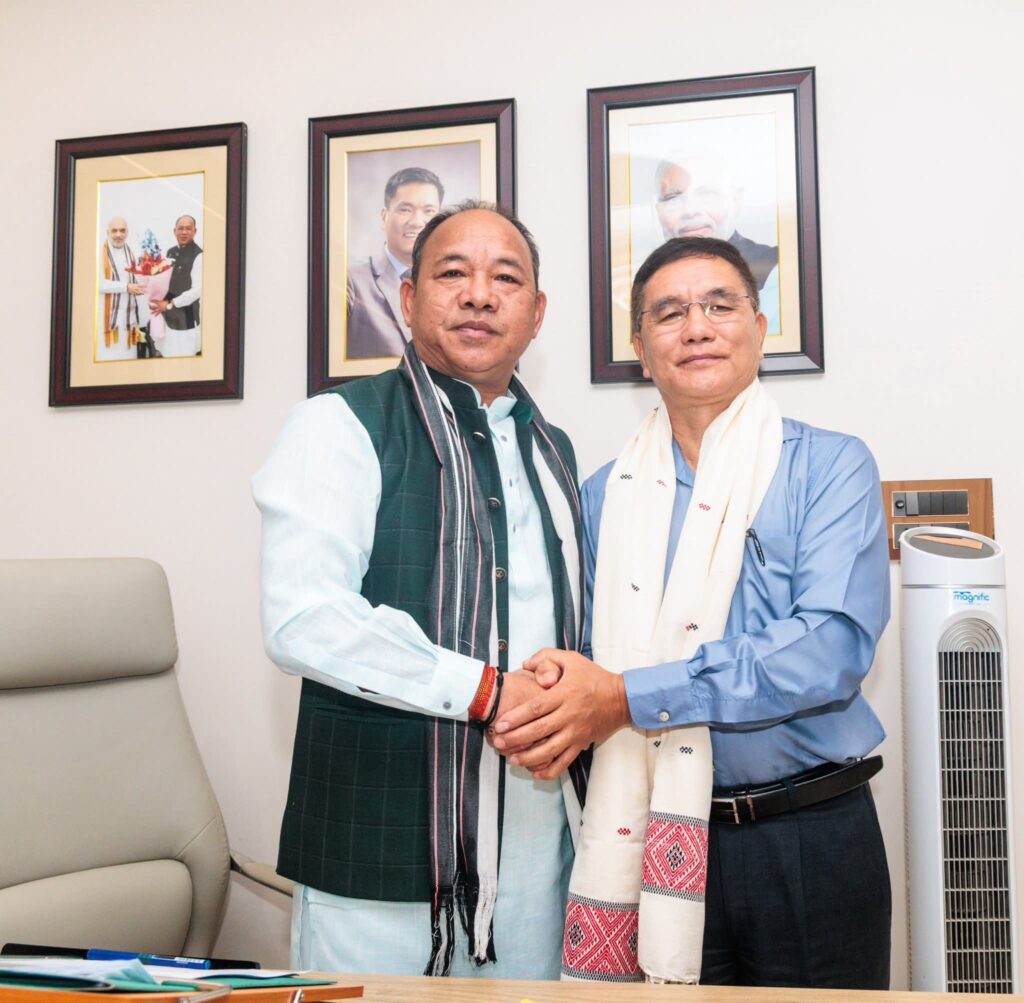
ITANAGAR : Arunachal Pradesh Police Inspector General of Police (IGP) Chukhu Apa, the first Indian Police Service (IPS) officer from the Nyishi community, retired from active service on attaining superannuation after serving for 34 years from 1992 to 2026. A felicitation programme was organised at the Police Headquarters (PHQ) in Itanagar on Friday, where officers of all ranks of the Arunachal Pradesh Police (APP) gathered to honour the retiring officer and wished him a healthy, peaceful and fulfilling retired life. Chief Minister Pema Khandu and Home and Border Affairs Minister Mama Natung also met and felicitated Chukhu Apa, extending their best wishes for his new innings after retirement. In a statement, Chief Minister Pema Khandu described Chukhu Apa as an officer who dedicated his life to service, discipline and duty. “On the occasion of his superannuation, I extend my heartfelt wishes to Chukhu Apa, IGP, who has served the people of Arunachal Pradesh with courage, commitment and integrity throughout his distinguished career in the police force,” Khandu said. “May the years ahead bring him peace, good health and joyful moments with family and friends. Wishing him a happy and well-deserved retired life. Thank you for your service to the state and the nation,” the Chief Minister added. Home and Border Affairs Minister Mama Natung said Chukhu Apa had rendered distinguished service to Arunachal Pradesh and the nation for more than three decades. “Over the years, he served across policing, intelligence and public safety with professionalism and dedication. His leadership and commitment to duty strengthened institutions and earned him the respect of colleagues and citizens alike,” Natung said. The minister further stated that as the first IPS officer and first Inspector General from the Nyishi community, Chukhu Apa created a legacy that would continue to inspire future generations of Arunachalees to pursue public service with confidence and integrity. During his career, Chukhu Apa served in the Arunachal Pradesh Police, Mizoram Police, Delhi Police, the Intelligence Bureau and also with the Research and Analysis Wing (RAW) in Afghanistan. Widely regarded as one of the finest and most capable officers in the APP, he was known for his professionalism, approachable nature and supportive leadership towards junior officers. Apart from policing, Apa is also known for his interest in painting, farming, arms collection, shooting and table tennis. He currently serves as the president of the Rifle Association of Arunachal Pradesh and has actively participated in several programmes and meetings related to shooting sports. At the PHQ function, Director General of Police (DGP) Dr S D Singh Jamwal, along with officers and personnel of the APP, felicitated Chukhu Apa and recalled memorable moments from his long service tenure. The gathering also prayed for his good health and a happy retired life ahead.      

Latest News, Popular News, State News

RGU seminar highlights opportunities in rural entrepreneurship, MSMEs

DOIMUKH : Rajiv Gandhi University (RGU) organised a national seminar on “Opportunities for Livelihood and Income Enhancement among Rural Masses through Micro and Small Industry Start-Ups Utilizing Natural Resources of Arunachal Pradesh” at the Smart Theatre of the Department of Computer Science and Engineering on Friday. The seminar was organised by the Department of Science and Technology-Technology Enabling Centre (DST-TEC), RGU, in collaboration with the Internal Quality Assurance Cell (IQAC), the Department of Computer Science and Engineering and the Department of Food Technology. The programme aimed to explore sustainable livelihood opportunities for rural communities through entrepreneurship, innovation and effective utilisation of locally available natural resources. Addressing the gathering, RGU senior-most professor Prof Jaydeba Sahoo stressed the importance of industry-academia linkages and said Arunachal Pradesh is a land of opportunities. He emphasised the need for research, skill enhancement and innovation among students to promote start-ups and entrepreneurship. Arunachal Pradesh Khadi and Village Industries Board (APKVIB) Chairman Maling Gombu, the keynote speaker of the seminar, highlighted the importance of promoting village industries and self-employment opportunities for rural youth. He also spoke about Monpa handmade paper and other indigenous products of Arunachal Pradesh and highlighted various government schemes supporting micro, small and medium enterprises (MSMEs). United Nations Industrial Development Organization (UNIDO) Technical Expert and former Director of the Central Pulp and Paper Research Institute Dr Rakesh Kumar Jain spoke on technology-driven industrial development and entrepreneurship models suitable for the Northeast region. He stated that biomass and bio-waste resources available in Arunachal Pradesh could be effectively converted into wealth and livelihood opportunities.   RGU Registrar Dr N T Rikam highlighted the importance of Geographical Indication (GI) tagging of indigenous products and stressed scaling up handmade products and artefacts to global markets. The seminar was chaired by IQAC Director Prof Utpal Bhattacharjee. The welcome address was delivered by Department of Computer Science and Engineering Head Ani Taggu, while DST-TEC Coordinator and seminar convener Dr Rahul Chandra Kushwaha explained the objectives and significance of the programme. The seminar witnessed enthusiastic participation from faculty members, research scholars, students, government officials and industry representatives. Discussions focused on bamboo and herbal industries, agro-based entrepreneurship, sustainable utilisation of natural resources, skill development and strengthening the start-up ecosystem. The organisers stated that the seminar would contribute towards promoting entrepreneurship, rural employment and technology-driven development in Arunachal Pradesh and the Northeast region. The programme concluded with technical sessions by experts, interactive discussions with participants and distribution of certificates.      

Latest News, Popular News, State News

APU, University of Ladakh host national dialogue on 200 years of Hindi journalism

PASIGHAT : A national dialogue on the past, present and future of Hindi journalism began on Friday with academics and media professionals from across the country participating in a two-day National e-Conference on “200 Years of Hindi Journalism: Indian Knowledge Systems, Vernacular Media, and Cultural Renaissance.” The conference has been jointly organised by the Department of Mass Communication and Journalism of University of Ladakh, Kargil Campus, and the Department of Mass Communication of Arunachal Pradesh University (APU), Pasighat. Scholars and media practitioners from leading universities are deliberating on the evolution of vernacular journalism amid challenges posed by digital disruption, misinformation and declining media credibility. Delivering the inaugural address, Indian Institute of Mass Communication, New Delhi, Head of Department of MA Strategic Communication, Prof. Pramod Kumar said Hindi journalism emerged from a civilisational need to provide a colonised society with a language of resistance and self-expression. “The challenge today is not the absence of information but the erosion of credibility. Artificial intelligence and algorithmic platforms are reshaping how news is produced and consumed, but technology alone cannot substitute for the journalist’s fundamental obligation to truth,” he said, urging the vernacular press to adopt technological tools without compromising ethical values. In his keynote address, former Centre for Mass Communication University of Rajasthan Jaipur Head Prof. Sanjeev Bhanawat traced the two-century journey of Hindi journalism from Udant Martand, the first Hindi newspaper published in 1826, to the contemporary era of social media and algorithm-driven news dissemination. He said the vernacular press had historically served as a movement representing communities excluded from mainstream public discourse. Stressing the need to integrate Indian Knowledge Systems into journalism education, he cautioned that a culturally disconnected Hindi press would struggle to counter commercialisation and misinformation. Chairing the session, University of Ladakh Vice Chancellor Prof. Saket Kushwaha described Hindi journalism as a mirror reflecting India’s social conflicts, aspirations and resilience over two centuries. “We stand at a moment when artificial intelligence is not merely a tool but a disruption — rewriting the economics of newsrooms, generating content at scale, and raising questions about authorship, accountability and authenticity,” he said. Prof. Kushwaha emphasised that Indian Knowledge Systems should be viewed as living intellectual traditions capable of providing journalism with a value framework rooted in Indian realities. Earlier, welcoming the participants, Arunachal Pradesh University Head of Department of Mass Communication Dr. Prem Taba said the history of Hindi journalism was closely linked with the struggle of communities to find their voice against structures of power. He noted that issues such as credibility, cultural identity, digital transformation and the future of regional media remain central to contemporary journalism. University of Ladakh Kargil Campus In-Charge Administration Dr. Mehboob Ali highlighted the significance of hosting the conference in Ladakh, a region marked by rich linguistic and cultural diversity. Faculty of Arts Dean Dr. Jaffar Ali Khan urged researchers to move beyond mainstream narratives and recognise the contribution of vernacular journalism in peripheral regions often ignored in media histories. Arunachal Pradesh University Vice Chancellor (I/C) Dr. Milorai Modi, who could not attend due to health reasons, conveyed his best wishes to the organisers and participants through a message. The inaugural session was followed by plenary discussions on digital transformation in Hindi journalism, regional cultural identity and ethical challenges confronting vernacular media. Among the senior scholars participating in the conference are Guru Gobind Singh Indraprastha University Delhi School of Mass Communication Dean Prof. Durgesh Tripathi, Central University of Rajasthan Prof. Amitabh Srivastava, Rajiv Gandhi University Head of Department of Mass Communication Dr. Nawaz Khan Thouba, and Srijan Sansar Group of International Journals Global Group Editor Dr. Shailesh Shukla. The second day of the conference on Saturday will feature presentation of 18 research papers across two technical sessions on themes including artificial intelligence and vernacular fact-checking, endangered languages in mainstream television, environmental journalism, women’s portrayal in regional newspapers, and legal challenges arising from AI-driven journalism. The conference is being convened by University of Ladakh faculty member Dr. Shriprakash Pal and Arunachal Pradesh University faculty member Dr. Prem Taba, with Dr. Zakir Hussain and Dr. Kombang Darang serving as co-convenors.    

Latest News, Popular News, State News

DMF Governing Council approves key development proposals for Tawang

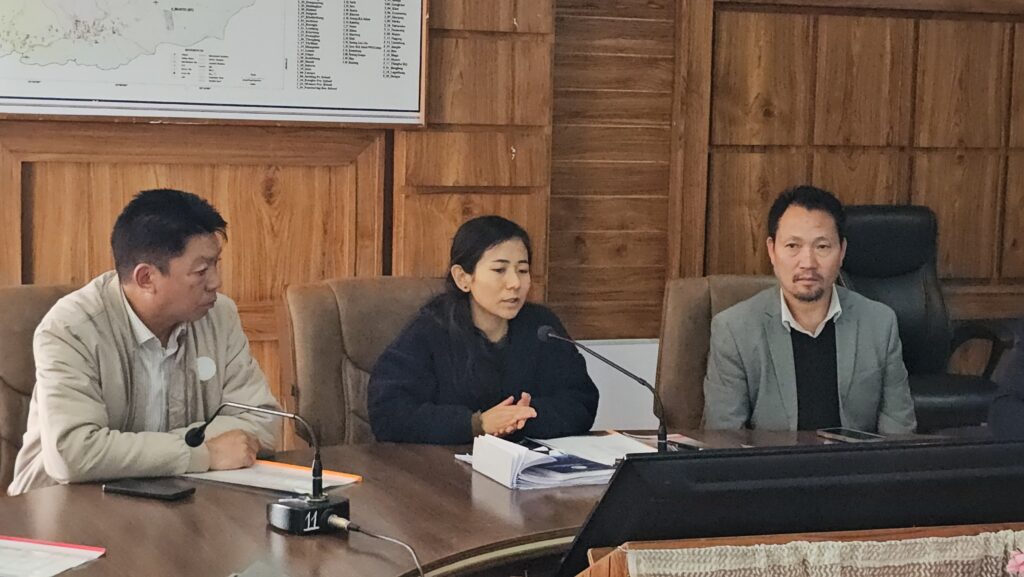
TAWANG : The Governing Council of the District Mineral Foundation (DMF), Tawang, on Friday approved several key developmental proposals aimed at strengthening public services and infrastructure across the district. The meeting, held at the Conference Hall of the Deputy Commissioner’s Office in Tawang, was chaired by Tawang Deputy Commissioner Namgyal Angmo and attended by Zila Parishad Chairperson Leki Gombu, Tawang Additional Deputy Commissioner Rinchin Leta, Lungla Additional Deputy Commissioner Tashi Dhondup, Jang Additional Deputy Commissioner (in-charge) Honjon Perme and other council members. Welcoming the members, Tawang Assistant Mineral Development Officer Dorjee Lhamu presented an overview of the District Mineral Foundation, highlighting its objectives, governance structure, funding sources and utilisation of funds. She also gave a detailed presentation on new scheme proposals submitted by the district’s three subdivisions for the 2026–27 financial year. The council extensively deliberated on the proposed schemes, focusing on their feasibility and potential impact on local communities. Addressing the meeting, DC Namgyal Angmo stressed the need for prudent and effective utilisation of DMF resources, describing the fund as a valuable and limited resource meant for the district’s development. She emphasised maintaining quality standards in project execution and appreciated the constructive proposals submitted by the subdivisions. The DC also directed concerned departments and administrative officers to ensure timely completion of pending projects from the previous financial year. During the discussion, members proposed several initiatives to strengthen essential public services. Suggestions included engagement of teachers under the Pradhan Mantri Khanij Kshetra Kalyan Yojana (PMKKKY) to address the shortage of teaching staff, appointment of ambulance drivers to improve emergency healthcare services and engagement of dialysis technicians for the District Hospital. Zila Parishad Chairperson (ZPC) Leki Gombu proposed the establishment of Material Recovery Facilities (MRFs) in remote villages such as Mago and Thingbu to improve waste management. The Industries Department also sought support for training programmes on packaging and value addition of locally produced goods. Following detailed discussions, the Governing Council approved the proposals for implementation. After the meeting, council members felicitated Tawang District Medical Officer Dr Thupten Lhamu on the occasion of her retirement after a distinguished career in public service. Expressing gratitude on her final day in office, Dr Lhamu thanked the district administration for prioritising healthcare improvements in Tawang over the past year. Reflecting on her journey, she said she had dedicated 34 years, nine months and 16 days of service to the people and thanked her colleagues and stakeholders for their support throughout her career. The meeting concluded with a collective commitment from the council members to ensure effective implementation of the approved developmental initiatives for the welfare and progress of the people of Tawang district. (DIPR)    

Latest News, Popular News, State News

Lower Dibang Valley DC calls for mandatory use of CBuD app

ROING :  Lower Dibang Valley Deputy Commissioner Fwwrman Brahma has directed all excavating agencies and contractors to mandatorily use the CBuD application before undertaking any digging or excavation work in the district. The directive was issued during a District Level Telecommunication Monitoring Committee (DLTMC) meeting organised by the Information Technology and Communication (IT&C) Department at the Conference Hall of the Mini Secretariat here on Friday. The meeting was attended by representatives from various departments, including Public Works Department (PWD), Public Health Engineering Department (PHED), Power Department, Urban Development Department, Rural Works Department (RWD), Forest Department, National Informatics Centre (NIC), Bharat Sanchar Nigam Limited (BSNL) and other Telecom Service Providers (TSPs). Addressing the meeting, DC Brahma stressed the need to improve telecom connectivity, particularly in areas with educational institutions. He also emphasised effective coordination among departments and telecom service providers to strengthen communication infrastructure across the district. District Information Technology Officer Minam Apum delivered a presentation on the key features and benefits of the CBuD application. The platform enables departments, agencies and contractors to verify underground telecom and utility assets before carrying out excavation works, helping prevent damage to critical infrastructure and ensuring better coordination among stakeholders. The meeting also discussed telecom connectivity issues and measures for improving network coverage in different parts of the district. (DIPR)  

Latest News, Popular News, State News

APSTS Golden Jubilee Marathon draws enthusiastic participation in Khonsa

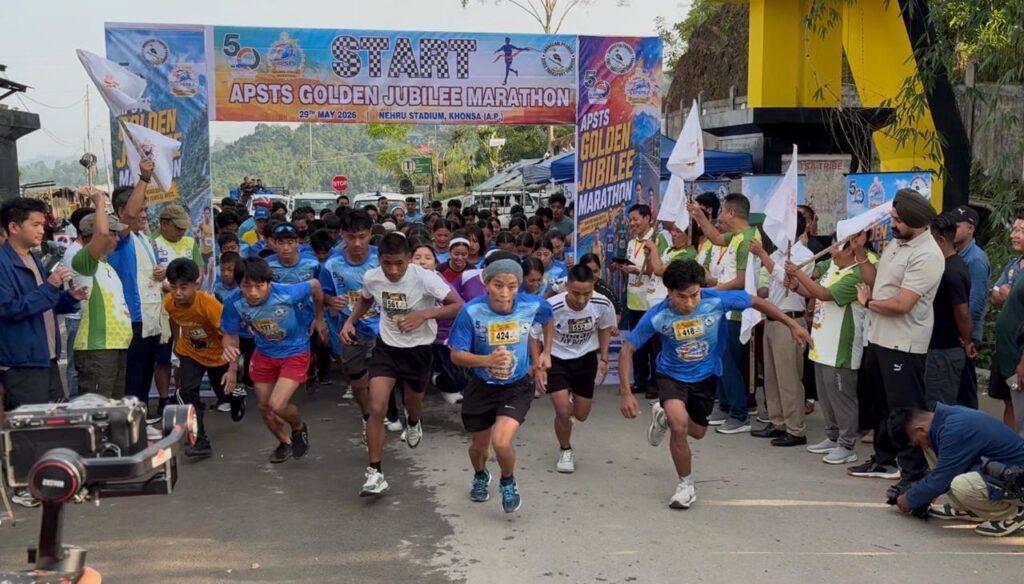
KHONSA : Transport Minister Ojing Tasing on Friday flagged off the “Run for Road Safety” Marathon at Khonsa, marking the commencement of the Golden Jubilee celebrations of the Arunachal Pradesh State Transport Services (APSTS). The event was flagged off in the presence of Khonsa West MLA-cum-Advisor to Home and Transport Chakat Aboh. Organised as a major event under the APSTS Golden Jubilee celebrations, the marathon aimed to promote road safety awareness, healthy living and community participation. The programme witnessed enthusiastic participation from athletes, students, youths and members of the public from across Tirap district. Among those present were Tirap Deputy Commissioner Techu Aran, Tirap Zilla Parishad Chairperson Adv John KK Matey, Tirap Superintendent of Police Aditya, Transport Commissioner Saugat Biswas, Additional Deputy Commissioner Khonsa Namneet Singh, District Sports Officer Noah Mongku, Zilla Parishad Members and other officials. The marathon featured competitions in Half Marathon (21 km), 10 km Run and 5 km Inter-School Run categories for both male and female participants. In the Half Marathon (Male) category, Humen Senapathi secured the first position, followed by Vinit Rathi in second place and Son Engti in third. In the Half Marathon (Female) category, Tejaswani Lambkane emerged winner, while Sangmir Teronpe and Phohe Wangsu secured second and third positions respectively. In the 10 km Run (Male) category, Rajiv Tamang finished first, followed by Agalumso Tawsik and Bacemso Pul. In the 10 km Run (Female) category, Nang Lukkena Chautang secured the top position, while Anai Wangsu and Wanglih Wangsu finished second and third respectively. In the 5 km Inter-School Run (Male) category, Thakdang Pansa secured first place, followed by Lapan Wangsu and Jenngo Rumchu. In the 5 km Inter-School Run (Female) category, Nguna Lowang emerged winner, while Pitoh Wangsu and Sainya Wangsa secured second and third positions respectively. Cash prizes, trophies and certificates were distributed to the winners by Transport Minister Ojing Tasing, Advisor Chakat Aboh and Transport Commissioner Saugat Biswas in recognition of their performances. The marathon emerged as one of the major highlights of the APSTS Golden Jubilee celebrations in Khonsa, reflecting the spirit of sportsmanship, fitness and social responsibility. Through the theme “Run for Road Safety,” the event also promoted awareness on responsible road usage and active public participation in the historic milestone celebration of APSTS.  

Latest News, Popular News, State News

East Siang DC reviews infrastructure projects, welfare schemes

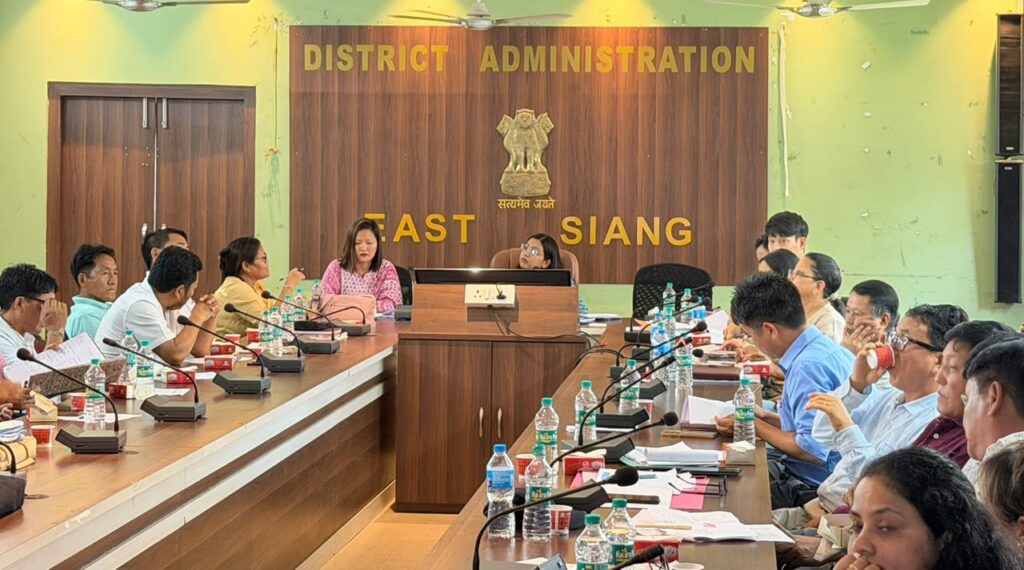
PASIGHAT : A District Development Review (DDR)-cum-District Level Monitoring Committee (DLMC) meeting was held in Pasighat on Friday under the chairmanship of East Siang Deputy Commissioner to review the District Development Report for April 2026 and assess the implementation of various Centrally Sponsored and State Sponsored Schemes in the district. During the meeting, the DC reviewed overall developmental activities, infrastructure progress and implementation status of welfare schemes across the district. Discussions were also held on law and order, Inner Line Permit (ILP) enforcement, public service delivery, transport safety and revenue generation. It was informed that 190 Inner Line Permits were issued during the month, while 73 ILP violations were detected. To strengthen ILP verification, a check gate has been established at Oyan Bypass. The meeting also reviewed the progress of smart meter installation in the district, which has achieved 67 per cent coverage so far. The DC directed the concerned department to expedite the remaining works for timely completion. Major infrastructure projects, including roads, convention halls, hospital upgradation works, district secretariat buildings and tourism infrastructure, were also reviewed. The DC instructed departments to ensure timely completion and maintain quality standards in all ongoing works. Reviewing welfare schemes, the meeting noted that East Siang district achieved 180 per cent of its target under the Pradhan Mantri Matru Vandana Yojana (PMMVY) for 2025-26. Under the National Food Security Act (NFSA) and Antyodaya Anna Yojana (AAY), the district achieved 100 per cent coverage with 48,184 beneficiaries covered. The health sector review highlighted that enrolment under Ayushman Bharat-Pradhan Mantri Jan Arogya Yojana (AB-PMJAY) has reached around 90 per cent at the family level and 73 per cent at the individual level. Addressing the meeting, the Zilla Parishad Chairperson stressed the need for better coordination among departments, ZPMs and Gram Panchayat Chairpersons (GPCs) to ensure effective implementation and awareness of government schemes at the grassroots level. In the concluding remarks, the DC emphasised that the benefits of welfare and development schemes must reach the poorest sections in a transparent and hassle-free manner. The official also directed all concerned departments to ensure mandatory conduct of Gram Sabhas for transparency and proper beneficiary selection. The meeting was attended by the Additional Deputy Commissioners of Headquarters, Mebo and Ruksin, administrative officers, Zilla Parishad Members (ZPMs), Heads of Departments (HoDs), Heads of Offices (HoOs) and other concerned officials. (DIPR)    

Latest News, Popular News, REGIONAL, State News

Four Arunachal residents killed as vehicle crashes into parked truck in Guwahati

GUWAHATI :  Four people, including a woman government official and two young medical students, lost their lives in a road accident at Tetelia near Sonapur on Friday morning when the Bolero vehicle they were travelling in crashed into a parked truck. The victims, all residents of Arunachal Pradesh, died on the spot as a result of the impact of the severe collision. According to police, the Bolero, bearing Arunachal Pradesh registration and carrying a government plate identifying it as a vehicle associated with the Government of Arunachal Pradesh, was travelling towards Guwahati when it rammed into the rear of a truck parked along the roadside under Khetri Police Station limits near Sonapur. The deceased have been identified as Lingi Barsa, who was a doctor and was driving the vehicle, his wife Kunga Dolma, an official of the Arunachal Pradesh Food and Civil Supplies Department, their son, and his friend, both of whom were medical students. Providing details of the incident, Ankur Jain, Joint Commissioner of Police, said that the family had started their journey from Itanagar at around 6 am and was headed towards Guwahati. “The accident occurred under Khetri Police Station jurisdiction where a truck was parked near the roadside. A Bolero with Arunachal Pradesh registration crashed into the truck at high speed. All four occupants died in the collision. The driver, Lingi Barsa, and his wife, Kunga Dolma, their son and his friend were among the dead. Barsa had booked accommodation at Arunachal Bhawan in Guwahati, and the family had begun their journey from Itanagar early in the morning,” Jain said. Police officials investigating the accident said preliminary findings suggest that excessive speed may have been a major factor behind the crash. Investigators found no visible skid marks or signs of emergency braking at the scene. “When we examined the accident site, we found no indication that the driver had attempted to brake before impact. Eyewitnesses estimated that the vehicle was travelling at around 120 kmph. Based on the available evidence, we suspect that the driver may have fallen asleep while driving, though the exact cause will be determined after a detailed investigation,” Jain added. Meanwhile, questions were raised over the presence of the truck on the roadside. However, traffic police maintained that the vehicle had been parked outside the designated carriageway and that authorities had already directed it to be moved as part of an ongoing statewide enforcement drive against roadside parking. Jayanta Sarathi Bora, Deputy Commissioner of Police (Traffic), said that police had instructed the truck driver to remove the vehicle before the accident occurred. “The truck in question had already been identified by our personnel during an enforcement drive against roadside parking. Around 10:45 am, the concerned officer had directed the driver to move the vehicle. We are conducting similar drives not only in Guwahati but across Assam to prevent unsafe roadside parking. Preliminary findings indicate that the truck was parked outside the white line marking on the road,” Bora said. Police have launched a detailed investigation into the incident to ascertain all circumstances surrounding the tragedy. (Source: PTI)