


ZIRO, AUG 22:
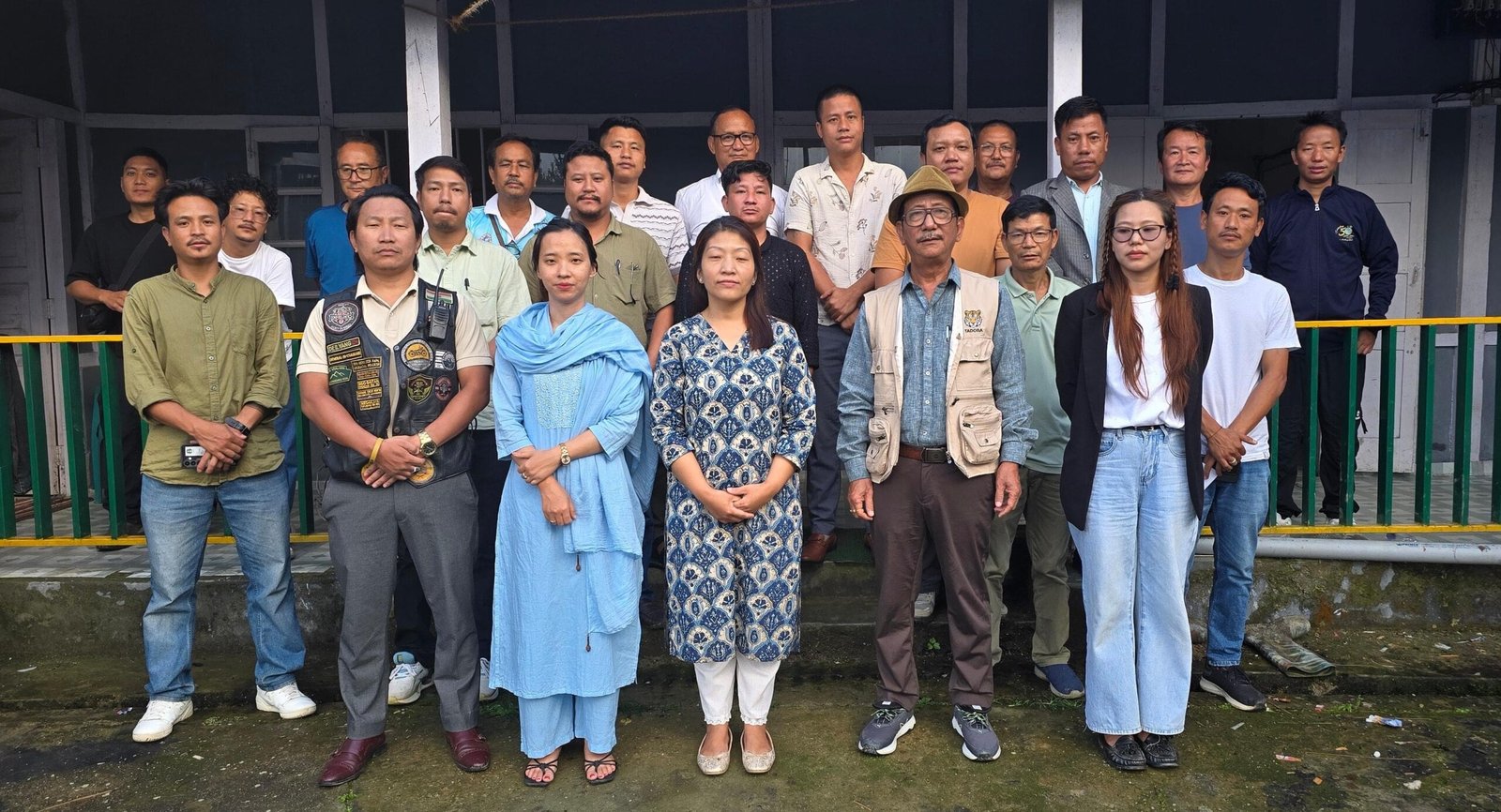
Local conservationists, youth leaders and community organisations have joined hands to prepare for the Bird & Butterfly Festival 2026, with a stakeholders’ meeting held at the Hill Top Forest Rest House in Hapoli to chalk out a roadmap for the upcoming event.
The meeting was chaired by Hapoli Divisional Forest Officer Tilling Taker and brought together representatives of government departments, student organisations, conservation groups and local clubs. The festival is proposed to be held during the first week of October as part of Wildlife Week celebrations.
The organisers aim to develop the festival beyond a seasonal event and establish it as a platform for sustainable eco-tourism and grassroots conservation in Lower Subansiri.
Discussions focused on showcasing the region’s rich bird and butterfly diversity and the fragile ecosystems of the Talley Wildlife Sanctuary, while exploring opportunities to link conservation with community livelihoods and local economic development.
Tilling Taker appreciated the enthusiasm and constructive suggestions of the participating organisations and said the strong community response had given the Forest Division confidence to work towards a national-standard event. He emphasised that active community participation can transform conservation into a shared movement rather than a top-down initiative.
The preparations have brought together a wide range of stakeholders, including the Hapoli Forest Division, District Administration, Cultural Officer, District Information and Public Relations Officer, District Tourism Officer, Apatani Youth Association (AYA), All Lower Subansiri Students’ Union (ALSU) and All Arunachal Pradesh Students’ Union (ANSU).
Representatives of the Ziro Birding Club, Biodiversity of Ziro, Ziro Tourism Organisation, Apatani Heritage Explore, NGNU Ziro, and Ziro Cycling, Photography, Boxing, MMA and Enfield Racer clubs also participated in the deliberations.
The initiative seeks to strengthen community ownership of conservation while promoting Ziro and the wider Lower Subansiri region as a destination for responsible nature-based tourism. (DIPR)