


PASIGHAT, OCT 2:
The Study-cum-Fact-Finding Committee constituted by the Arunachal Pradesh Congress Committee (APCC) to examine issues surrounding the proposed Siang Upper Multipurpose Project (SUMP) began its field visit on Friday.
The committee, constituted by APCC president Bosiram Siram, will undertake a ground-level assessment and gather first-hand information on the proposed project, its likely implications and concerns raised by people and communities in the Siang region.
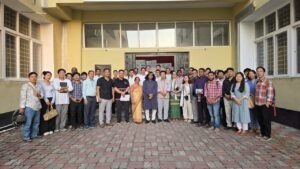
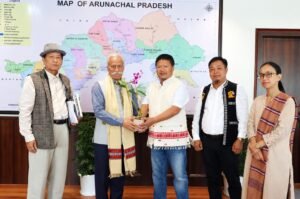
Upon reaching Pasighat, the committee members called on Bosiram Siram at his residence at Tigra-Mirbuk and briefed him on the commencement of the field visit and the objectives of the exercise.
The committee will visit areas potentially affected by the proposed project and interact with local residents, affected communities, traditional institutions, community representatives and other stakeholders to gather their views and document concerns related to SUMP.
According to the APCC, the exercise will examine the potential social, environmental, economic, livelihood, land and community-related implications of the proposed project. The party said the findings would provide a first-hand assessment of ground-level concerns for a more informed public discussion.
The APCC has also called for transparency regarding project planning and design, feasibility and technical studies, environmental and social impact assessments, statutory clearances, land requirements, rehabilitation and resettlement provisions, compensation and the long-term implications for affected communities.
It has sought public access to relevant project documents and information and said affected people should be adequately informed and given an opportunity to express their views before major decisions concerning their land, livelihoods and environment are taken.
The committee will submit its findings to the APCC president after completion of the field assessment for further examination and action by the party.
The APCC reiterated its position that decisions concerning the proposed project should take into account transparency, public participation and the concerns of potentially affected communities.