

ONLINE AGE

(Online version of the Arunachal Age newspaper)

Popular News

Latest News, National, Popular News, State News

Sonam Wangchuk calls himself ‘honorary cockroach’, urges govt to hear voices of youth

NEW DELHI : Environmentalist and educationist Sonam Wangchuk on Saturday voiced support for the online “cockroach” movement led by the self-styled “Cockroach Janta Party” (CJP), describing himself as an “honorary cockroach”, as he urged the government to engage with the concerns being raised by youngsters rather than suppressing their digital expression. The online campaign, which uses satire and the imagery of a cockroach as a symbol of resilience and dissent, has drawn attention in recent days amid claims by its founders of a crackdown on their social-media presence, including account suspensions and hacking allegations. The movement has framed itself around issues, such as unemployment, exam paper leaks and public accountability. Speaking on the controversy in an interview with PTI, Wangchuk said the campaign should be viewed as a form of democratic feedback and not as a threat. “First of all, I am very impressed,” Wangchuk told PTI. “Such creative expressions by our youth are nothing to worry about and nothing to be afraid of. The government should take the message — don’t kill the messenger. If we kill the messenger, the message will not end.” Asked whether he would formally join the movement, Wangchuk responded in a lighter vein, saying he does not qualify for membership but identifies himself with its message. “I have been asked from several quarters to speak on it. Some are saying I should also become a member,” he said. “I think I do not qualify — I am neither unemployed nor am I lazy. So sadly, I am not a member. But I consider myself an honorary cockroach,” he said. Drawing a comparison with political satire and caricatures published in newspapers, Wangchuk said dissent expressed through humour and symbolism is a legitimate democratic tool. “Like cartoonists in newspapers, you don’t shoot them because they made a caricature of the prime minister, the home minister or the defence minister. Similarly, this is also satire. See it as feedback,” he said. Wangchuk praised what he described as the movement’s non-violent and imaginative character, saying the youngsters of the country have chosen digital creativity over confrontation and it is things like these that make India a “Vishwaguru”. “I am very impressed that the youth of India wanted to bring out their frustration in such a creative way — not on the streets with stones, as has happened in other countries,” he said. “To respect it is the duty of the Indian government, to look at it lovingly and take its message.” He, however, warned that suppressing online spaces could aggravate frustrations among young people. Referring to reports that social-media accounts linked to the movement are being shut down, Wangchuk said authorities should avoid pushing dissent underground. “Otherwise, what will happen? I am hearing that their accounts are being closed. Then this anger can go anywhere,” he said. Drawing a parallel with political unrest in Nepal, Wangchuk argued that restricting creative expression online could have unintended consequences. “Violence did not happen just like that in Nepal. When they shut down the internet and stopped creative expressions online, youth came out on the streets and it became an ugly scene,” he said. He said the issues being raised by the “cockroach” movement, particularly alleged paper leaks and concerns over accountability, deserve attention rather than dismissal. “They are raising the issue of paper leak — there is nothing wrong with that,” he said. “In any country, ministers resign on such issues, so what is the big deal? Instead of suppressing them, their message should be taken.” He further said the movement reflects genuine anxiety among young people, who are trying to make themselves heard before frustrations deepen. “They are troubled, so they are expressing that they are worried — but not so much that they take to the streets. This could be the next step,” he said. “That is why, at this stage, their voices should be heard.” Wangchuk said the campaign has demonstrated a uniquely Indian form of protest and should be used as an opportunity to strengthen democracy. “It should be taken very positively and used to create a better India,” he said. “The creativity with which the youth of India have given this message — such things make us Vishwaguru. The youth of India do not take to the streets with stones, they present their point creatively.” He appealed to young people to remain peaceful, while urging the government not to corner them. “This is my message to the government — do not push them,” Wangchuk said. “And I request the youth to never go towards violence. Keep raising your voice, no matter how much you talk, never go towards violence. On the other hand, the government should not force them to take the path of violence,” he added. (Source: PTI)        
Latest News, Popular News, State News

Arunachal to set up state-level policy think tank: CM

ITANAGAR : Chief Minister Pema Khandu on Friday said the vision of establishing the Institute for Transforming Arunachal Pradesh (ITA) is steadily taking shape with proactive engagement between NITI Aayog and the state government. He described the initiative as a major step towards evidence-based policymaking and long-term development planning for the frontier state. In a social media post, Khandu said the proposed institute would serve as a dedicated state-level policy think tank aimed at providing strategic direction and development planning tailored to Arunachal Pradesh’s unique geographical, cultural and economic realities. “For long, we have strongly advocated the need for a dedicated state-level policy think tank that can provide strategic direction, evidence-based policymaking, and long-term developmental planning tailored to Arunachal Pradesh’s unique geographical, cultural, and economic realities,” the chief minister said in a post on X. Khandu expressed gratitude to NITI Aayog member Dr Joram Aniya, CEO Nidhi Chhibber and officials associated with the initiative for their commitment towards Arunachal Pradesh’s developmental journey. The proposed Institute for transforming Arunachal Pradesh is expected to function as a specialised policy and research body that can assist the state government in framing data-driven policies, monitoring developmental indicators, strengthening institutional governance and designing sustainable growth strategies suited to the state’s needs, officials said here. Arunachal Pradesh has, in recent years, intensified efforts towards infrastructure expansion, border area development, entrepreneurship promotion, tourism, hydropower and sustainable economic growth. The state government has also been working closely with NITI Aayog on several developmental initiatives, including aspirational district programmes, innovation ecosystems and youth empowerment strategies. NITI Aayog, the apex public policy think tank of the Centre, plays a key role in promoting cooperative federalism and supporting states in policy formulation and development planning through a collaborative approach. (Source: PTI)    

Latest News, Popular News, State News

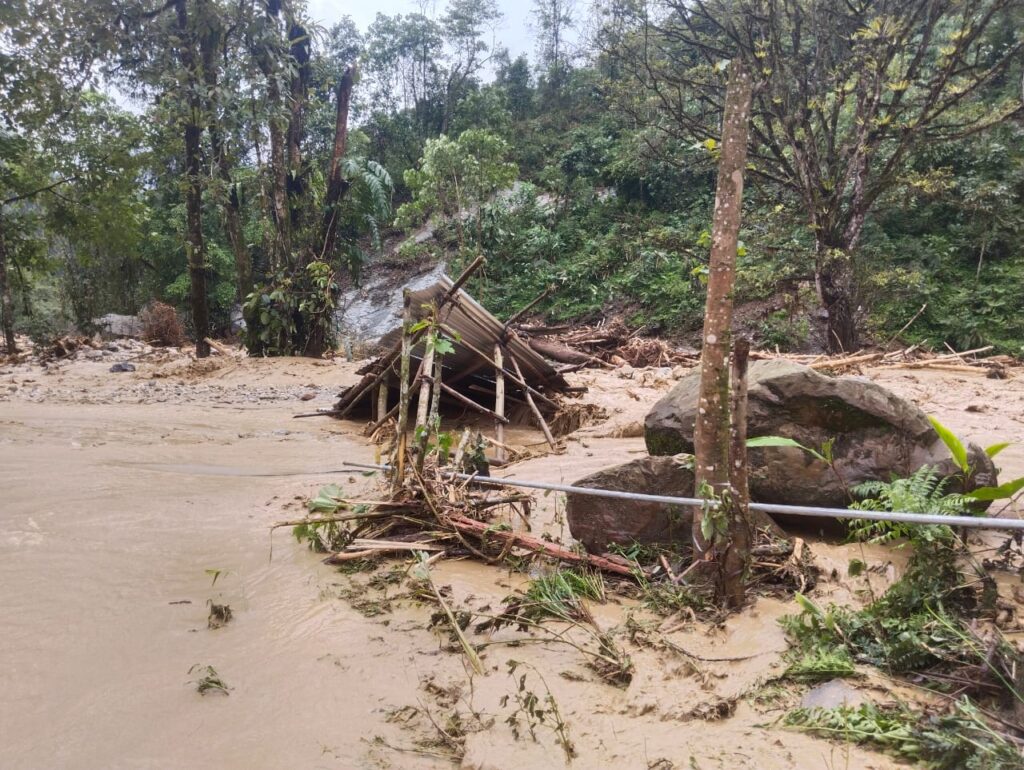
Flash floods triggered by downpour wreak havoc in Upper Subansiri

DAPORIJO : Flash floods triggered by heavy rainfall wreaked havoc in Upper Subansiri district, washing away crucial bridges, damaging houses, and disrupting connectivity in several villages, officials said on Friday. The District Disaster Management Authority (DDMA) has issued an advisory, urging people to refrain from venturing into rivers for fishing and other activities amid forecasts for more downpour. Among the bridges washed away were the RCC bridge at Nyo Koro near Ningping village and another connecting Longte village with the Giba headquarters, the officials said. In Ningping village, seven kutcha houses suffered extensive damage due to the flash floods, while agricultural fields, livestock, and other properties were also reportedly destroyed in the deluge, they said. The district administration is closely monitoring the evolving situation, while a detailed assessment of damages is currently underway, they said. Meanwhile, the Meteorological Centre here forecast heavy to very heavy rainfall accompanied by thunderstorms and lightning on Saturday in parts of Upper Subansiri, Kamle, Kra Daadi, Kurung Kumey, Lower Subansiri, Siang belt and adjoining districts. Extremely heavy rainfall in isolated areas is also likely on Sunday, it said. “Similar weather conditions are expected to continue till Tuesday,” an official said. (Source: PTI)  

Latest News, Popular News, State News

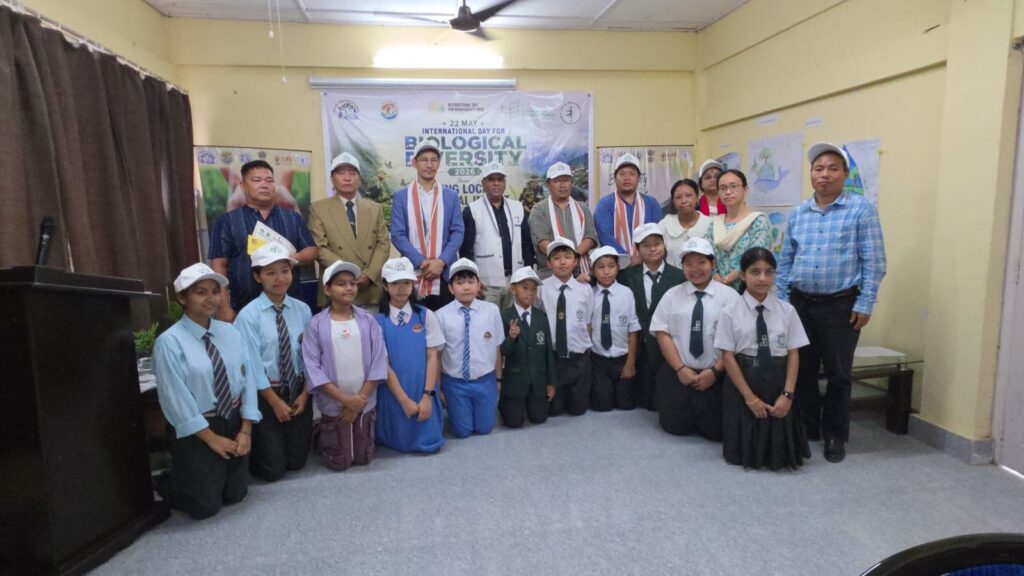
APBB celebrates International Day for Biological Diversity

  CHIMPU : The Arunachal Pradesh Biodiversity Board (APBB) celebrated the International Day for Biological Diversity (IDB) 2026 at the Dr Verrier Elwin Conference Hall of the State Forest Research Institute (SFRI) here on Friday under the global theme “Acting Locally for Global Impact.” Delivering the keynote address, APBB Member Secretary HB Abo highlighted the significance of the International Day for Biological Diversity and stressed the importance of local action in achieving global conservation goals. He spoke on Arunachal Pradesh’s rich biological heritage, indigenous conservation practices and the implementation of the Biological Diversity Act, 2002 through initiatives such as the preparation of People’s Biodiversity Registers (PBRs) and sustainable use of biological resources. He also appreciated the active participation of students and youth in biodiversity conservation efforts. Addressing the gathering, Additional Principal Chief Conservator of Forests (Wildlife Protection and Information Technology) Devendra Dalai described Arunachal Pradesh as part of one of the world’s most significant biodiversity hotspots. He urged citizens to adopt simple and sustainable practices in their daily lives, stating that collective local efforts could create a meaningful global impact. The technical session featured presentations by G.B. Pant National Institute of Himalayan Environment Itanagar Centre Head Dr Paromita Ghosh and Rajiv Gandhi University Professor Dr Hui Tag. Dr Ghosh spoke on the global biodiversity crisis, climate change, sustainable use of biological resources and India’s conservation initiatives, while emphasising the role of youth and community participation. Prof Hui Tag highlighted issues relating to global biodiversity governance, the upcoming Conference of the Parties (COP-17) to the Convention on Biological Diversity and the rich biodiversity of Arunachal Pradesh. He also stressed the importance of biodiversity documentation, community-based conservation and the provisions of the Biological Diversity Act, 2002. APBB Chairman Hawa Bagang reiterated the Board’s commitment to strengthening biodiversity conservation across the state. He highlighted initiatives to strengthen Biodiversity Management Committees (BMCs), mobilise funding support for conservation programmes and encourage greater participation of students and local communities in biodiversity-related activities and research. The programme also featured prize distribution to winners of painting, model-making, craft-making and short film competitions organised to promote biodiversity awareness among students, youth and BMCs. Plantation drives were also conducted in several schools as part of the awareness campaign. More than 70 participants, including scientists, senior forest officials, staff of SFRI and APBB, representatives of Biodiversity Management Committees, teachers, students and other stakeholders, attended the programme. The event concluded with a vote of thanks by APBB Research Officer Dr Bamin Yakang, who said that every small action for nature contributes towards creating a lasting global impact.  

Latest News, Popular News, State News

State Food Commission reviews welfare schemes in Upper Subansiri

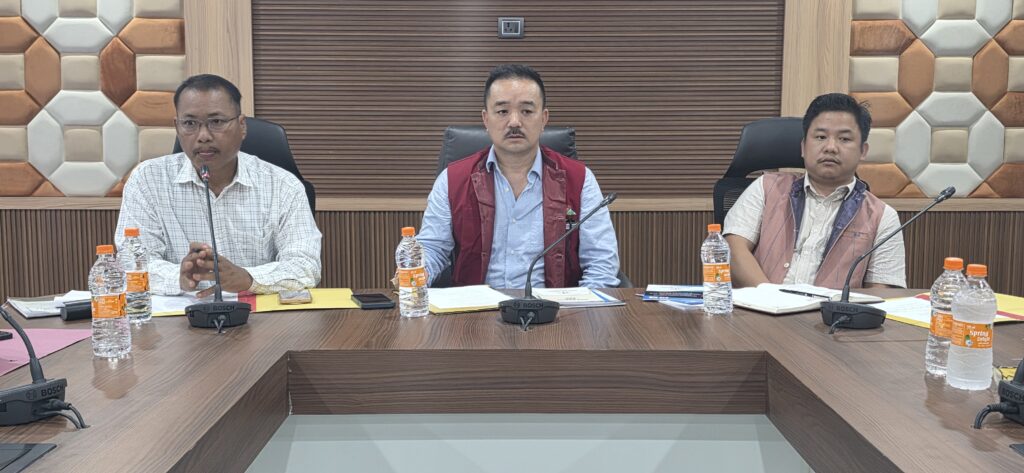
DAPORIJO : A state-level review committee of the Arunachal Pradesh State Food Commission (APSFC), led by Chairman Tarh Tarak along with members Ngaasah Tangjang and Maji Chokar, conducted a review visit to Upper Subansiri district on Friday. During the visit, the commission held a review meeting with officials of various line departments to assess the implementation, achievements and challenges of central and state flagship welfare schemes, including the National Food Security Act (NFSA), Antyodaya Anna Yojana (AAY), Supplementary Nutrition Programme under Hot Cooked Food (SNP-HCF) and PM POSHAN. Chairing the meeting, APSFC Chairman Tarh Tarak said the objective of the district tour was to assess ground-level realities, identify challenges faced by beneficiaries and departments, and explore possible remedies. He also emphasised the need to create greater public awareness about welfare schemes, particularly the NFSA, to ensure benefits reach the deserving sections of society. He urged the concerned departments to remain proactive in implementing welfare schemes in line with the vision of Viksit Bharat so that needy beneficiaries can fully avail the opportunities created by the Central Government for inclusive development. Commission members Maji Chokar and Ngaasah Tangjang also addressed the meeting. Upper Subansiri District Food and Civil Supplies Officer D Lampong presented the status of essential commodity stocks in the district and highlighted the current shortage of LPG supply as a major challenge. The meeting was attended by Upper Subansiri Additional Deputy Commissioner-cum-District Grievance Redressal Officer Biaro Sorum and heads of departments. (DIPR)    

Latest News, National, Popular News, State News

India to launch ‘smart border’ project to curb infiltration: Amit Shah

NEW DELHI : Union Home Minister Amit Shah on Friday said the government will launch a “smart border” project in the next year to make the 6,000 km fronts with Pakistan and Bangladesh impenetrable and ensure that the “conspiracy” to change the demography of the areas is defeated. Delivering the annual Rustamji Memorial lecture hosted by the Border Security Force (BSF) here, the minister also reiterated that the government will find each and every infiltrator from the country and send them outside India. K F Rustamji was the first director general of the BSF after it was raised in 1965. “I want to assure BSF troops that we will launch this smart border project in the 60th year of its raising and we will make the Pakistan and Bangladesh borders impenetrable,” Shah said.     The Modi government, Shah added, has decided to create a “strong security grid” along the Pakistan and Bangladesh fronts in the next one year. The “smart border” will be aided by technology, drones, radars and smart cameras which will help create an impenetrable border, he told the gathering. The minister also urged BSF troops to ensure that the conspiracy to artificially change the demography of India is defeated. He said current state governments in Tripura, West Bengal and Assam — all led by the BJP — believe in the policy that there should no infiltration from across Indian borders. His ministry, Shah added, will soon hold a meeting with the chief ministers of these states on the subject of border security. The minister added that a high-powered demography mission declared earlier will be announced soon by the Union government. (Source: PTI)    

Latest News, Popular News, State News

Lohit reviews implementation of SWM Rules 2026 in rural areas

TEZU :  A district-level meeting on the implementation of the Solid Waste Management (SWM) Rules 2026 in rural areas was held at the Deputy Commissioner’s conference hall here on Friday under the chairmanship of Lohit Deputy Commissioner Kesang Ngurup Damo. The meeting discussed the implementation of the newly notified SWM Rules 2026, a key component of the Swachh Bharat Mission. The rules, which came into effect on April 1 this year, now extend to both urban and rural areas. Addressing the meeting, Damo said the earlier Solid Waste Management Rules 2016 were implemented mainly in urban areas, while the new rules have brought rural areas under the ambit of scientific solid waste management. He informed that the Rural Development Department has been designated as the nodal department for implementation in rural areas, while the Panchayati Raj Department will function as the co-nodal department. Detailed deliberations were held on the guidelines of the Rural Solid Waste Management Rules 2026 and measures required for effective implementation at the grassroots level. The meeting resolved to initiate immediate steps for the formation of task forces at the district, subdivision and circle levels. It was also decided to constitute special cells with designated nodal officers and team members for coordinated implementation and monitoring. The participants further resolved to conduct extensive sensitisation programmes at the subdivision, circle and gram panchayat levels with the involvement of Gaon Burahs, Panchayati Raj institution members, Self-Help Groups (SHGs), non-governmental organisations (NGOs), community-based organisations and other stakeholders. Concluding the meeting, the DC urged all officers and stakeholders to implement the programme with sincerity and collective responsibility to realise the vision of “Clean Lohit, Green Lohit.” The meeting was attended by Wakro Additional Deputy Commissioner, Sub-Divisional Officer-cum-District Panchayat Development Officer, Deputy Director of Rural Development, Deputy Director of School Education, Deputy Director of Integrated Child Development Services, Assistant Engineer of Public Health Engineering and Water Supply, Block Development Officer and Child Development Project Officer of Tezu, Range Forest Officer Headquarters, officials of the State Disaster Response Force, representatives of Arunachal State Rural Livelihoods Mission and NGOs. (DIPR)    

Latest News, Popular News, State News

Quarterfinal thrillers mark Day 7 of Hangpan Dada Memorial Trophy

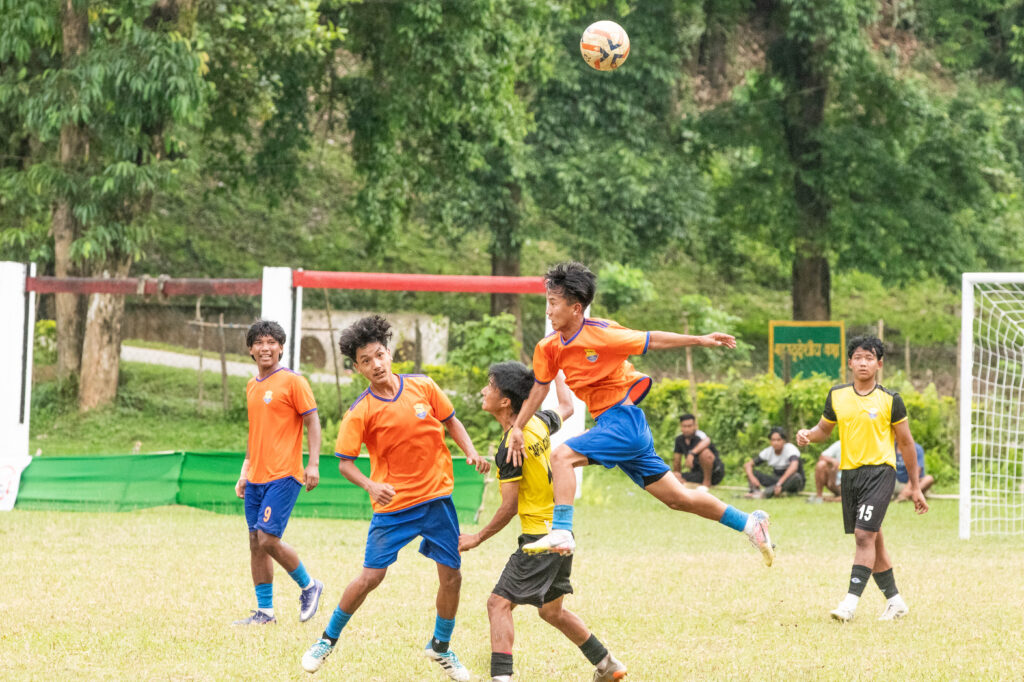
AALO : The seventh day of the 9th State Level Hangpan Dada Memorial Trophy (HDMT) 2026 witnessed intense sporting action across multiple venues in Aalo, West Siang district, with football quarterfinals producing semifinalists while the volleyball league stage concluded successfully. Matches were held at Aalo Football Ground, Pakkam Ground, ITBP Ground, APPBN Ground and Siyom Army Ground, drawing enthusiastic participation and support from players and spectators. In the boys’ football quarterfinals, Keyi Panyor defeated Upper Siang 2–0, while Siang also registered a 2–0 victory over Longding to enter the semifinals. Papum Pare edged past Capital Complex 5–3 in a penalty shootout after regulation time ended in a draw. Lower Siang similarly advanced after defeating Upper Subansiri 5–4 on penalties following a closely fought match. In the girls’ football quarterfinals, Shi Yomi defeated Upper Subansiri 3–0, while Namsai secured a narrow 1–0 win against Longding. Capital Complex registered a commanding 3–0 victory over West Siang, and East Kameng overcame Tawang 1–0 to book semifinal berths. The boys’ football semifinals will be played on May 23 at the Main Ground, with Papum Pare taking on Siang at 1 pm, followed by the second semifinal between Keyi Panyor and Lower Siang at 2:45 pm. The girls’ football semifinals are scheduled for May 24 at Pakkam Ground, where Namsai will face Capital Complex at 1:30 pm, while Shi Yomi will take on East Kameng at 3 pm. Meanwhile, the volleyball league stage concluded at Siyom Army Ground. In the boys’ category, Papum Pare defeated Tirap 2–0, East Siang edged Tawang 2–1, Anjaw overcame Lower Subansiri 2–0, and East Kameng registered a 2–0 win against Shi Yomi. However, the scheduled matches between Namsai and Pakke Kessang, as well as Bichom and Capital Complex, could not be conducted after both teams failed to report within the stipulated time, and the matter was recorded as per tournament rules. In girls’ volleyball, Lohit defeated Upper Siang 2–0, Keyi Panyor overcame Shi Yomi 2–0, and Leparada registered a 2–0 victory over Upper Subansiri. Tirap also defeated Dibang Valley 2–0, while East Kameng secured a 2–0 win against Anjaw. The scheduled fixture between Namsai and Pakke Kessang could not be held as both teams failed to report on time.    

Latest News, National, Popular News, State News

PM, Education min must be held accountable: Cong on NTA claims on NEET exam

NEW DELHI : The Congress on Friday said it was shocked over claims made by top NTA officials that the NEET exam paper was “not leaked”, and said both the ‘Pradhan Mantri’ and the ‘Mantri Pradhan’ must be held accountable for this “cover-up”. The Congress also said that the National Testing Agency (NTA) has become a “National Trauma Agency” and accused the government of colluding with the paper leak mafia to suppress the truth of irregularities and fraud. In a post on X, Congress general secretary in-charge of communications Jairam Ramesh said a “guess paper” featuring questions that appeared in the actual exam was circulating among students much before the exam date.   “Since the NTA was formed in 2018, the Modi Government and its ecosystem have been colluding with the paper leak mafia to suppress the truth of rampant irregularities and fraud in NTA-conducted exams,” he alleged in his post. “Today we have learnt from media reports that the NTA Director General claimed yesterday to a Parliamentary Committee that the NEET-UG 2026 exam was not leaked. If true, this is scandalous and shockingly dishonest – because it is clear that a ‘guess paper’ which featured dozens of questions that appeared in the actual exam was circulating among students much before the exam date. If that is not a leak, what is? Why is the Modi Government trying to deny it now?” Ramesh said. He alleged the Modi government had previously tried to “cover up” the widespread irregularities that had emerged in NEET-UG 2024 as well. “If it had faced up to the truth and taken action then, the NEET 2026 tragedy may have been avoided. The same hotspots of reported fraud which emerged in 2024 — like Rajasthan’s Sikar — have been implicated in the 2026 scandal as well,” he said. The Congress leader said in another episode of the same “disturbing series”, the CBI also filed a closure report alleging no irregularities in the UGC-NET exam of 2024 which had been cancelled by the NTA back then. When asked by a Delhi court to provide a written explanation for its closure report, the CBI has asked for more time, he said. “While the Court has thankfully pulled up the CBI for this delay, the CBI’s actions inspire no confidence in the agency’s motivation to do justice to its ongoing probes into NEET. “For the lakhs of aspiring youth of our country, the NTA has become the National Trauma Agency,” Ramesh said. The CBSE, NCERT, and other institutions of the Education Ministry (including Central Universities) are no better, he said. “The Education Minister is presiding over a system in which professional excellence is at a discount and where ideological affinity commands a premium,” he claimed. “Both the Pradhan Mantri and the Mantri Pradhan must be held accountable for this colossal tragedy and its ongoing cover-up,” Ramesh said. Several members of Parliament grilled top NTA officials on Thursday, with the agency’s director general telling them that the NEET-UG paper was not leaked through their system and the CBI is probing the matter, sources said. During a meeting of the Parliamentary Standing Committee on Education, Women, Children, Youth and Sports, several MPs questioned the NTA officials on the steps taken by them to strengthen the exam system in order to prevent paper leaks in the future. (Source: PTI)          

Latest News, Popular News, State News

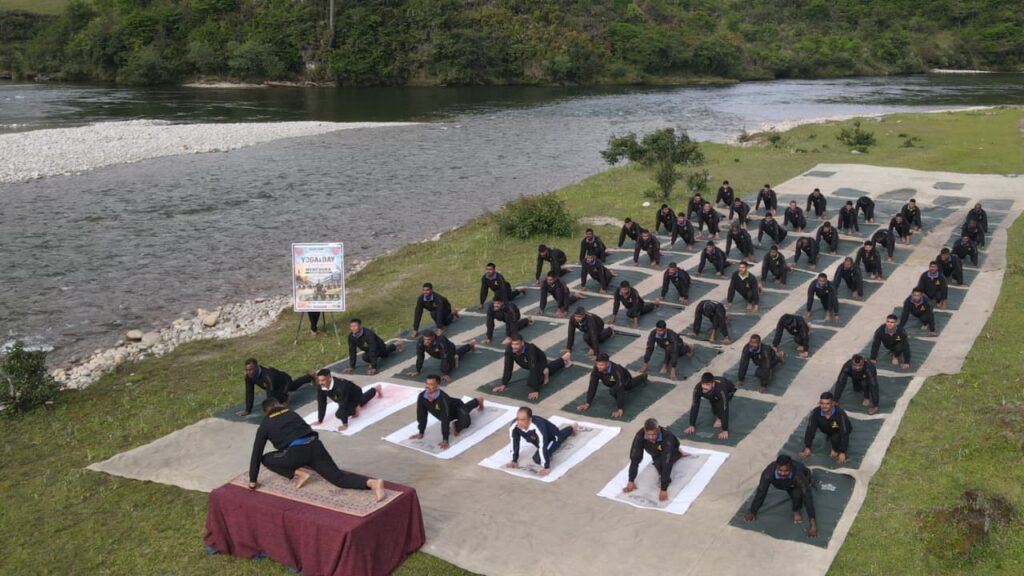
Indian Army conducts Yoga sessions

MENCHUKA ; As part of the run-up to the 12th International Yoga Day, the Spearhead Division under the aegis of Spear Corps organised yoga sessions at Menchuka and Manigong in Arunachal Pradesh to promote wellness, mindfulness and holistic living. Held amid the serene surroundings of the region, the sessions witnessed enthusiastic participation and highlighted the importance of yoga in promoting physical fitness, mental resilience and inner harmony. Participants performed various yogic exercises and breathing techniques aimed at enhancing overall well-being and encouraging a balanced lifestyle. The initiative reflected the Indian Army’s continued emphasis on healthy living, discipline and mental wellness, while also spreading awareness about the enduring values and global significance of yoga. The programme formed part of a series of activities being organised ahead of International Yoga Day to encourage wider participation and reinforce the message of harmony between mind, body and nature. (DIPR)