

PASIGHAT, OCT 25:
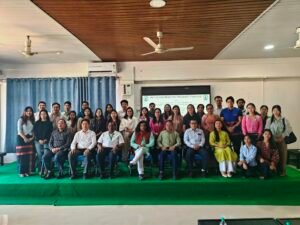
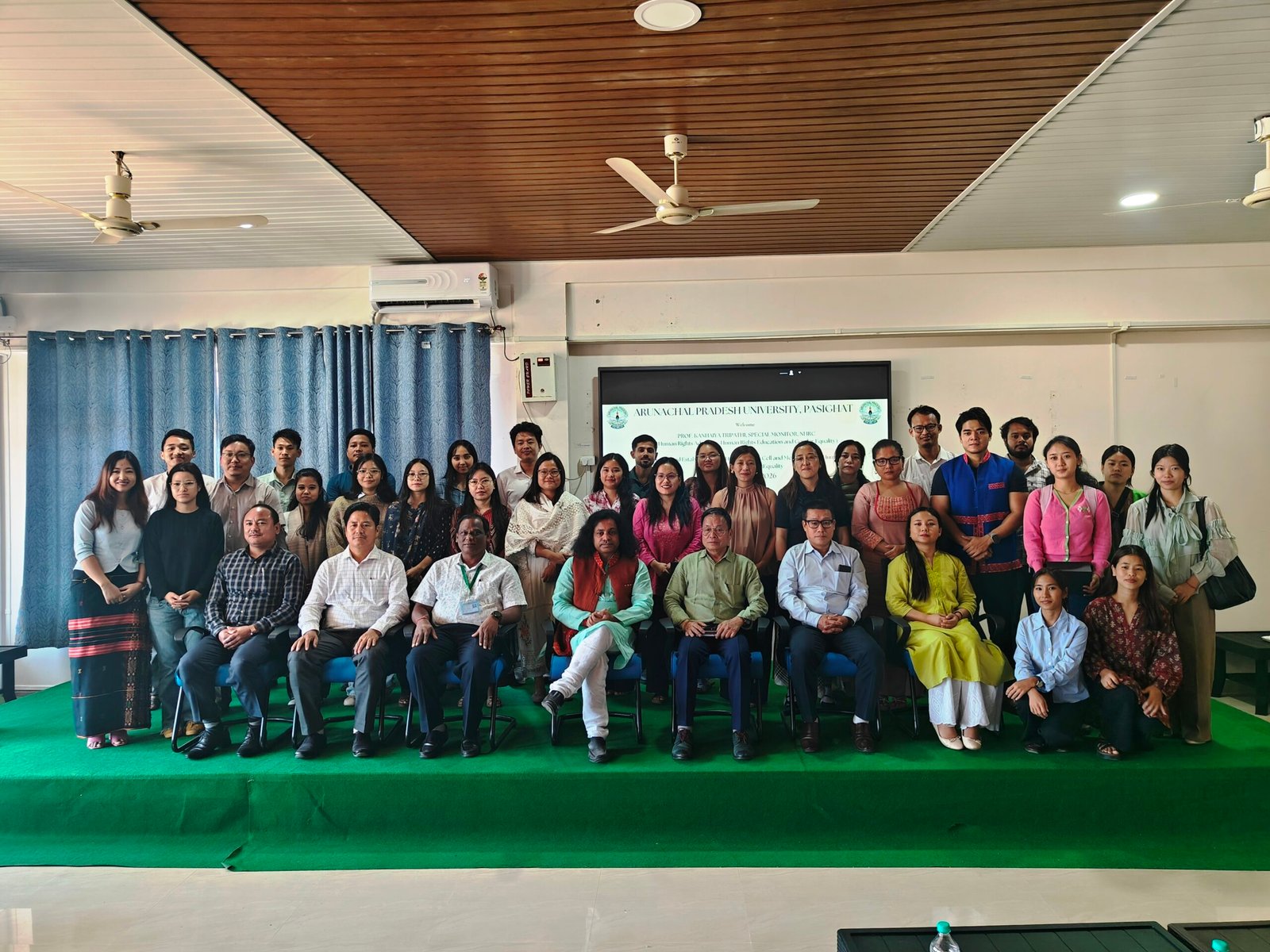
Arunachal Pradesh University (APU) held an interactive discussion with National Human Rights Commission (NHRC) Special Monitor Professor Kanhaiya Tripathi on Sunday, focusing on human rights education, institutional accountability, gender equality and student welfare.
Tripathi, who is on a week-long visit to Arunachal Pradesh, emphasised the need for institutional mechanisms to promote human rights awareness and protection. He suggested that the university consider establishing a Human Rights Cell or a dedicated department and introduce academic programmes such as Bachelor of Laws (LLB), Master of Laws (LLM) or a master’s degree in Human Rights.
Referring to the Universal Declaration of Human Rights, he highlighted the importance of human rights literacy and called for greater awareness of artificial intelligence, digitalisation, cybercrime and cyber hygiene. He also recommended seminars, awareness programmes and creative competitions to strengthen rights-based education.
The discussion addressed gender equality and the need to ensure a safe and inclusive campus for all students, including members of the LGBTQ+ community. Tripathi suggested welfare facilities such as sanitary napkin vending machines, ambulance services and access to both male and female doctors and nurses.
He also stressed the need for an effective grievance-redressal mechanism, including a complaint box, and timely action by the Internal Complaints Committee within the applicable 90-day period. Other suggestions included research publications, awards recognising contributions to human rights and a “Happiness Marks” system to monitor campus well-being.
The programme was attended by Vice-Chancellor Professor Ashan Riddi, the registrar, university officials, heads of departments, faculty members and PhD scholars.
In his concluding remarks, Riddi reiterated the importance of gender equality, women’s participation and leadership, and non-violence.
The programme was compered by Department of Sociology faculty member Gora Mamu and coordinated by Terbi Loyi, head-in-charge of the department and nodal officer.