

NEW DELHI : Arunachal Pradesh has urged the Centre to revise the existing funding pattern for urban sanitation projects under the Swachh Bharat Mission (SBM) 2.0, citing the unique geographical challenges and low population density of Northeastern states.
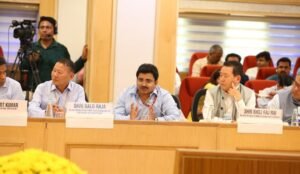
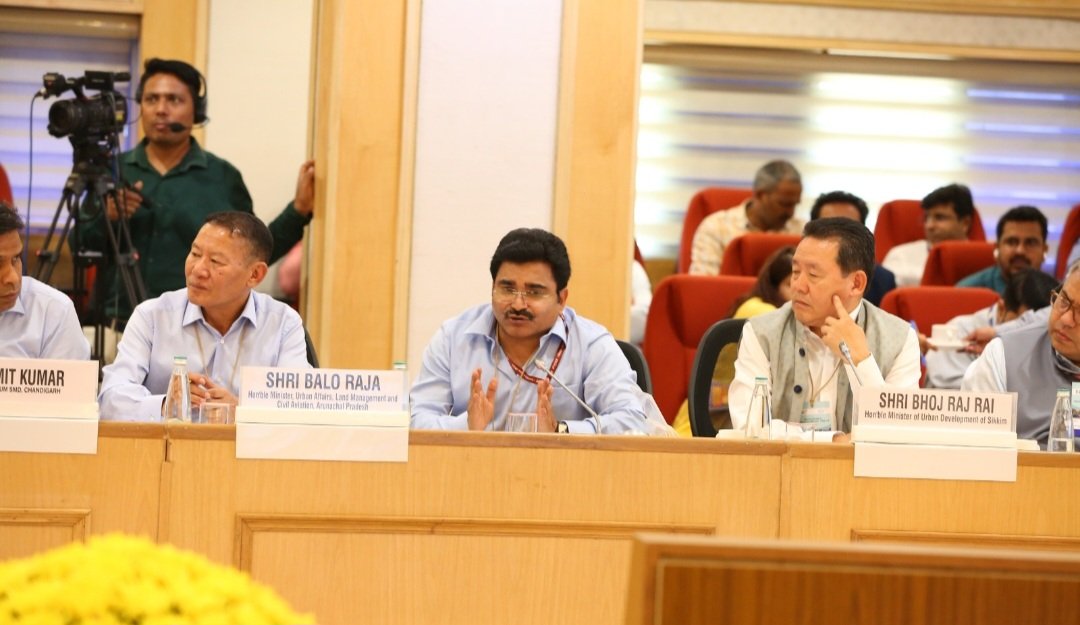
The issue was raised by Urban Affairs Minister Balo Raja during the two-day National Review Meeting on Swachh Bharat Mission 2.0 (Urban) held at Vigyan Bhawan in New Delhi from May 19 to 20.
The meeting, chaired by Union Housing and Urban Affairs Minister Manohar Lal Khattar, reviewed progress and implementation challenges related to urban sanitation and solid waste management across the country.
During the deliberations, Raja sought special attention from the Ministry for Arunachal Pradesh and other Northeastern states, stating that the present funding model based on per capita urban population leaves states like Arunachal at a disadvantage despite their large geographical area and difficult terrain.
The review meeting focused on strengthening urban sanitation systems, visible cleanliness initiatives and public participation, especially at heritage and tourist destinations. Discussions were also held on waste segregation, collection and transportation systems, Material Recovery Facilities (MRFs), Refuse Derived Fuel (RDF) management, waste-to-energy initiatives, composting projects and legacy waste remediation.
Special emphasis was laid on improving implementation mechanisms in the Northeastern region. The meeting also reviewed the Solid Waste Management Rules, 2026, and discussed challenges faced by states in implementing SBM 2.0 in urban areas.
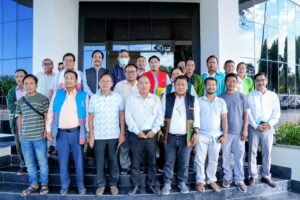
The Arunachal Pradesh delegation included Urban Affairs Commissioner Vivek Pandey and Urban Local Bodies Director Hano Takka, who participated in the deliberations and highlighted the state’s initiatives and challenges in urban sanitation and waste management.