

ONLINE AGE

(Online version of the Arunachal Age newspaper)

Author name: OnlineAge

Latest News, Popular News, State News

Arunachal CEO reviews preparedness for June 18 RS polls

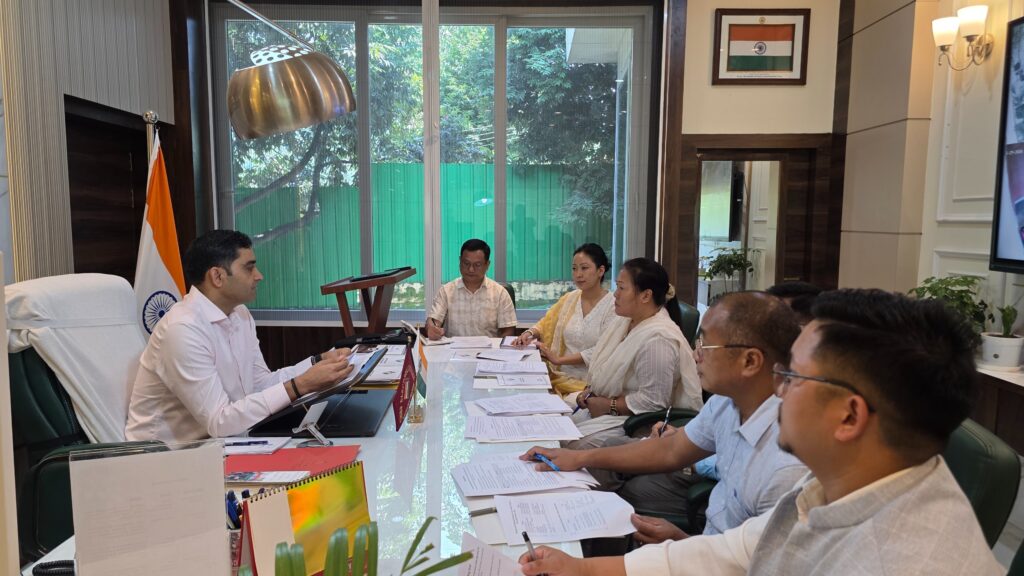
ITANAGAR : Arunachal Pradesh Chief Electoral Officer (CEO) Pawan Kumar Sain on Friday reviewed preparations for the upcoming biennial election to the Rajya Sabha and directed officials to ensure all arrangements are in place for a smooth, transparent and efficient electoral process. Chairing a coordination meeting at Nirvachan Bhawan here, with officials of the Arunachal Pradesh Legislative Assembly, Information and Public Relations (IPR) department, Sain outlined the election schedule and key responsibilities of various departments, an official statement said. He said that polling for the lone Rajya Sabha seat from the state will be held on June 18 and the election process will be completed by June 20. The CEO said the election is being conducted as the term of one Rajya Sabha member representing Arunachal Pradesh is due to expire on June 23. Sain said that the notification for the election will be issued on June 1, while the last date for filing nominations is June 8. Scrutiny of nominations will take place on June 9 and candidates can withdraw their nominations till June 11. Polling will be conducted from 9 am to 4 pm on June 18, followed by counting of votes at 5 pm on the same day, he said. Sain said that the secretary of the Legislative Assembly has been appointed as the Returning Officer and the Deputy Secretary as the Assistant Returning Officer. The relevant notifications will be published in the Extraordinary Gazette of the state on June 1. During the meeting, officials finalised a series of measures to ensure the smooth conduct of the election. The Returning Officer was directed to ensure proper maintenance of the electoral college list, make arrangements for polling and counting personnel, and coordinate logistics, accommodation and security for election observers. The CEO also reviewed arrangements for ballot boxes, printing of ballot papers, voting compartments and custody of election materials. Officials were told that only prescribed violet sketch pens supplied by the Returning Officer would be used for marking preferences on ballot papers. To ensure officials are fully prepared, the CEO’s office will organise a training programme for the Returning Officer, Assistant Returning Officer and polling and counting personnel on June 5. A mock drill at the state Legislative Assembly will also be conducted to familiarise polling teams with election-day procedures. As part of measures to enhance transparency, live webcasting of the polling process will be carried out, and video footage of the proceedings will be submitted to the Election Commission within the prescribed timeline. The meeting further decided that the IPR Department would coordinate publicity related to candidates’ criminal antecedents and political parties, while Doordarshan Kendra would assist in disseminating election-related information and publicity in accordance with Election Commission guidelines. The Returning Officer will also coordinate with police authorities to ensure adequate security arrangements at polling and counting venues. The meeting was attended by Joint Chief Electoral Officer Liken Koyu, Deputy Chief Electoral Officer Shania Kayem Mize and officials from the Legislative Assembly, IPR Department and Doordarshan Kendra. During the interaction, Sain also briefed participants on the ongoing Special Intensive Revision of Electoral Rolls aimed at including all eligible voters while removing ineligible entries from the rolls. He described the IPR department, Doordarshan and All India Radio as key partners in promoting transparency, voter awareness and public confidence in the electoral process and urged them to designate nodal officers for effective coordination with the CEO’s office. (Source: PTI)  
Latest News, Popular News, State News

NCW chief calls for coordinated action to strengthen women’s safety in Arunachal

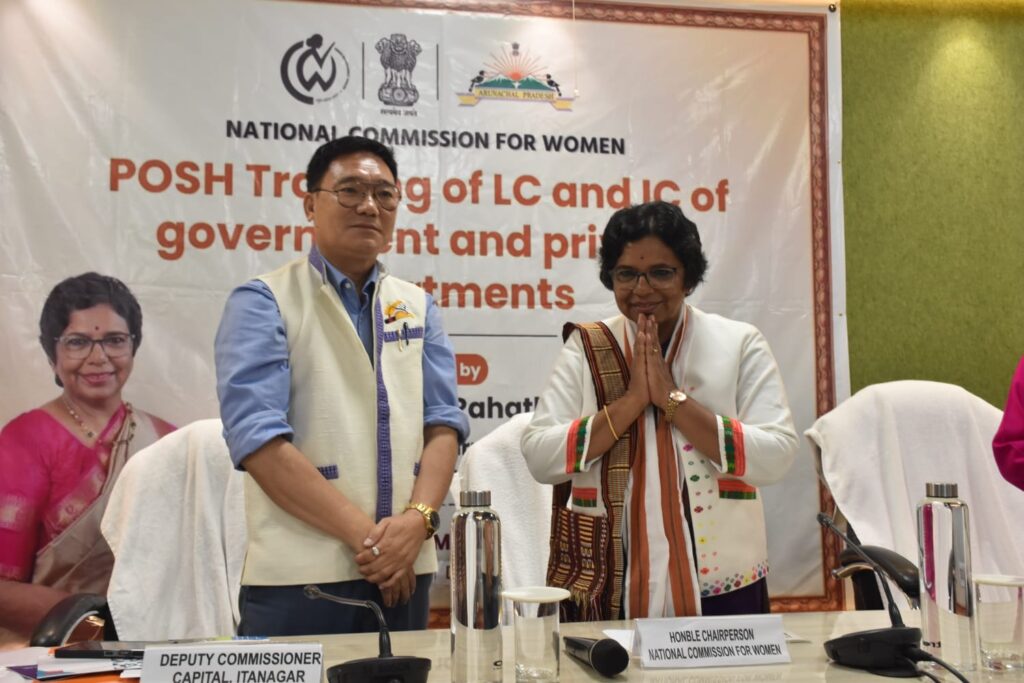
ITANAGAR : NCW chairperson Vijaya Rahatkar on Friday urged greater awareness, sensitivity, and coordinated action among stakeholders to strengthen women’s safety and access to justice in Arunachal Pradesh. Addressing a two-day awareness and training programme for protection officers, one-stop centre (OSC) personnel, counsellors, and other officials here, Rahatkar said many women continue to suffer in silence due to social pressure, financial dependency and lack of awareness about their rights. “Incidents of domestic violence often remain hidden within homes, making the role of protection officers and support systems even more critical,” she said, stressing that frontline institutions must be equipped to provide timely support and relief. The National Commission for Women (NCW) chief underlined the importance of legal literacy for officials engaged in women-centric services, and urged comprehensive knowledge of the Protection of Women from Domestic Violence Act, the POCSO Act and other related laws. “Without adequate understanding of these laws, it will be difficult to provide effective relief and justice to women in distress,” she said. Pointing to the geographical challenges of the state, the NCW chief said Arunachal Pradesh’s remote and hilly terrain requires stronger institutional mechanisms and better-trained personnel so that women in every corner of the state can access justice and support services. Describing the training as more than a formal event, she said it aimed to strengthen the capacity, knowledge and effectiveness of OSCs, protection officers and associated departments. She called for stronger coordination among the women and child development department, state commission for women, police, legal services authorities, district administrations and all related institutions to ensure a comprehensive and timely response to women in crisis. Rahatkar stressed the need for an improved crisis response mechanism, warning that delays in handling cases can lead to severe consequences. She encouraged the sharing of practical experiences and best practices among officials and suggested forming dedicated communication groups for counsellors, case workers, medical support staff and protection officers to facilitate better coordination and learning. Reaffirming the commitment of the state women’s commission towards safety, protection, rehabilitation and empowerment of women, she urged institutions to become more sensitive, responsive and accountable so that survivors can approach the justice system with confidence. The programme, organised by the Arunachal Pradesh State Commission for Women in collaboration with the NCW, covered legal provisions, protection mechanisms, mental health and inter-departmental coordination. Technical sessions included a presentation by Yakang Nani, State Mission Coordinator, SHEW, WCD department, on OSC objectives, functions and responsibilities. APSCW counsellor Dr Leeyir Ete spoke on mental health and the importance of counselling support, while additional SP and SDPO Naharlagun Rishi Longdo highlighted the role of police in supporting survivors and coordinating with OSCs. Techi Nech, panel advocate of Arunachal Pradesh State Legal Services Authority, elaborated on legal aspects, including domestic violence and the POCSO Act. Dr Pallavi Boro, associate professor, conducted a session on reproductive health and menstrual hygiene. The two-day programme concluded with active participation from stakeholders, officials and OSC personnel, reaffirming collective commitment towards women’s safety and welfare in the state. (Source: DIPR/PTI)    

Latest News, Popular News, State News

APSTS Golden Jubilee celebrations begin at Khonsa

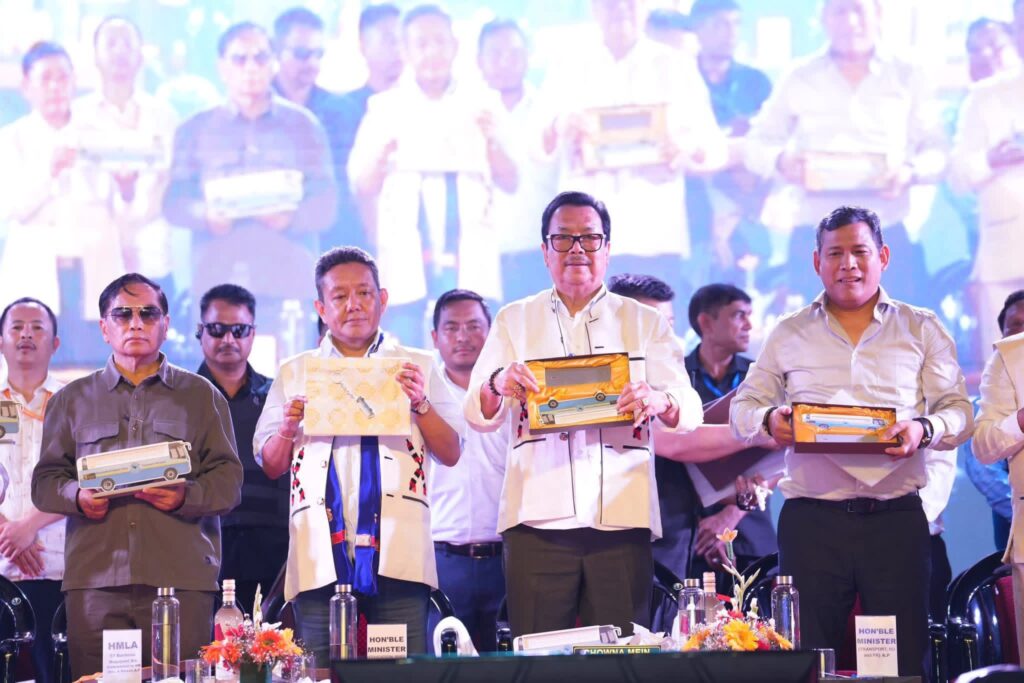
The three-day Golden Jubilee Celebration commemorating 50 years of the Arunachal Pradesh State Transport Services (APSTS) began at Khonsa on Friday with enthusiastic public participation and renewed focus on the future of public transportation in the state. The celebrations mark a historic milestone in the journey of APSTS, which started operations from Khonsa in 1975 with just two buses and has since evolved into a major transport lifeline connecting remote parts of Arunachal Pradesh and neighbouring states. As part of the celebrations, Deputy Chief Minister Chowna Mein flagged off the state’s first Restaurant Bus, a Road Safety Awareness Bus and a new fleet of luxury buses at Khonsa. The inaugural programme was later held at Nehru Stadium, Khonsa, in the presence of senior officials, APSTS officers, former employees, public leaders and members of the public. The programme began with the lighting of the ceremonial lamp, followed by the APSTS anthem and a welcome address by Transport Commissioner Saugat Biswas. A documentary showcasing the journey and achievements of APSTS over the last five decades was screened during the event, while traditional Ollo, Tutsa and Nocte folk dances added cultural vibrancy to the celebration. Addressing the gathering, Mein congratulated former and present officials, employees and stakeholders for their contributions towards the growth of APSTS over the past 50 years. Recalling his personal experiences of travelling in APSTS buses, Mein described the department as a crucial institution that transformed connectivity and socio-economic development across Arunachal Pradesh. He said APSTS has grown “from a small seed into a large tree” and added that the department’s history is closely linked with the developmental journey of the state itself. The Deputy Chief Minister also lauded the department’s adoption of modern technologies, including GPS tracking systems, panic buttons, CCTV cameras, air-conditioned coaches and electric buses, stating that these initiatives reflect APSTS’s commitment towards passenger safety, innovation and improved travel experience. Assuring continued government support, Mein said efforts would also be made to improve and widen township roads in Khonsa for safer and more efficient transportation. In his address, Transport Minister Ojing Tasing paid tribute to the pioneers, former employees, drivers, conductors, mechanics and officers whose dedication helped transform APSTS from a modest service into one of the state’s most important public service institutions. He said the Golden Jubilee celebration was not merely a commemoration of 50 years of service but also a tribute to generations of employees who worked under difficult conditions to connect remote communities across the state. Tasing further stated that Khonsa was deliberately chosen as the venue for the Golden Jubilee celebrations to honour the birthplace of APSTS and acknowledge its humble beginnings. Highlighting ongoing modernisation initiatives, the minister reaffirmed the government’s commitment towards strengthening public transportation and improving connectivity across Arunachal Pradesh. He also assured further development of transport infrastructure in Khonsa. Education and Tourism Minister Pasang Dorjee Sona emphasised the importance of transportation in economic development and proposed establishment of a “Golden Jubilee Bus Station” in Khonsa as a lasting tribute to the occasion. Local legislators Wanglin Lowangdong, Wanglam Sawin and Thangwang Wangham also addressed the gathering and stressed the need for improved road infrastructure to accelerate development and connectivity in the region. A commemorative Golden Jubilee calendar was released during the programme. Former APSTS officers and staff members were also felicitated in recognition of their dedicated service and contribution to the department. Among those honoured were former APSTS General Manager Tapi Bagra, first APSTS conductor K C Choudhary, Bomdila Night Chowkidar Tsering Norbu, driver Gobom Siram and Store Inspector Sashi Kumar G. The vote of thanks was delivered by APSTS General Manager Mito Dirchi, who expressed gratitude to all dignitaries, guests and members of the public for making the inaugural day of the celebration a success. The evening cultural programme featured performances by local artists, rehabilitation centre inmates, Tangsa Cultural Troupe and singers David Arangham and Baby Mossang. The Golden Jubilee celebrations will continue till May 31 with workshops, exhibitions, cultural programmes and public engagement activities highlighting the legacy and future vision of APSTS.    

Latest News, Popular News, State News

DLMC meeting held

  DAPORIJO : A District Level Monitoring Committee (DLMC) meeting was held at Daporijo on Friday under the chairmanship of Upper Subansiri Deputy Commissioner Tasso Gambo, with participation from administrative officers, Heads of Departments (HoDs) and Zilla Parishad Members (ZPMs). During the meeting, departments presented PowerPoint presentations on the status of ongoing developmental works and schemes being implemented across the district. Officials also highlighted various challenges affecting project execution and sought cooperation from public representatives, community leaders, the administration and the public for smooth implementation of developmental activities. Among the major issues discussed were shortage of land for infrastructure projects, delays in formal handover and takeover of completed buildings and damage to roads caused by unauthorized speed breakers. Departments pointed out that lack of suitable land, particularly for educational infrastructure, has delayed several approved projects. Officials also noted that delays in taking over completed buildings often result in neglect, deterioration and underutilisation of public infrastructure. Concerns were also raised regarding illegal speed breakers constructed by residents, which have reportedly damaged roads, created traffic hazards and increased accident risks, especially for two-wheeler riders. Upper Subansiri Deputy Director of School Education (DDSE) strongly stressed the issue of inadequate departmental consultation during execution of education-related projects. Concerns were raised over land availability, project cost estimation, preparation of Detailed Project Reports (DPRs) and quality of execution of educational infrastructure. The official stated that insufficient coordination among departments often creates complications during monitoring and handover processes, affecting quality standards and resulting in underutilised or defunct school infrastructure. She appealed to all stakeholders and public representatives to prioritise the education sector and ensure quality implementation of projects. DC Tasso Gambo advised all departments to strengthen inter-departmental coordination and resolve issues through collaborative efforts at every stage of project implementation. Several ZPMs also expressed concern over water quality and availability in different parts of the district and alleged inadequate field monitoring and poor accessibility of officials for addressing public grievances. Responding to the concerns, Public Health Engineering (PHE) Executive Engineer Kodokha acknowledged the shortcomings and stated that shortage of manpower has adversely affected service delivery in the vast district. He proposed deployment of additional officers to improve monitoring and public services. The PHE and Power Departments further highlighted inadequate funding for maintenance works, stating that insufficient funds have led to frequent equipment failures and recurring power disruptions. Daporijo Division Power Executive Engineer informed the meeting that Aerial Bunched Cable (ABC) wiring is being introduced in Upper Subansiri for the first time and is expected to significantly reduce electrical accidents in the future. Assistant Engineer of the District Urban Development Agency (DUDA), Daporijo, raised concerns regarding solid waste management, shortage of staff and repair requirements of the Material Recovery Facility (MRF) building. The official also stressed the need for inter-departmental collaboration for effective town planning and discussed future waste management initiatives in partnership with NGOs for Daporijo township. District Disaster Management Officer (DDMO) reviewed monsoon preparedness measures and sought cooperation from all departments to minimise accidents and prevent loss of lives during the monsoon season. Concluding the meeting, DC Tasso Gambo thanked all officers and members for their cooperation and cautioned that repeated absence of officials from such meetings would be viewed seriously. He directed all Heads of Departments to attend future meetings regularly with proper presentations for effective coordination and follow-up action. (DIPR)

Latest News, Popular News, State News

MLA flags off vehicle for AC Liromoba

LIROMOBA : In a move aimed at strengthening administrative functioning in Liromoba, local MLA Pesi Jilen on Friday flagged off an official vehicle for the office of the Assistant Commissioner, Liromoba. The flag-off ceremony was attended by Assistant Commissioner in-charge Dr Jumri Romin, Zilla Parishad Members (ZPMs) of Liromoba and Yomcha, public leaders and local residents. Addressing the gathering, the MLA emphasised the importance of providing adequate logistical support to the administrative machinery for efficient delivery of public services, particularly in remote and rural areas. Recognising the long-pending requirement of an official vehicle for the Assistant Commissioner’s office, Jilen sponsored the vehicle from his personal resources. The initiative was appreciated by public leaders and residents, who lauded the MLA’s commitment towards strengthening grassroots administration and improving governance in the constituency. Assistant Commissioner in-charge Dr Jumri Romin expressed gratitude to the MLA for the timely support and stated that the vehicle would significantly enhance mobility and administrative outreach across Liromoba Circle. The programme concluded with appreciation from public representatives and residents for the MLA’s continued efforts towards the welfare and development of the constituency. (DIPR)

Latest News, Popular News, State News

Yoga session along Siang river

    PASIGHAT :  As part of the run-up to the 12th International Day of Yoga, the Indian Army under the aegis of the Spearhead Division conducted a morning yoga session along the banks of the Siang River at Pasighat on Friday. Around 50 participants took part in the session, performing various yoga asanas and breathing exercises amidst the serene surroundings of the Siang Valley. The programme aimed to promote physical fitness, mental well-being and a healthy lifestyle among the troops. Set against the backdrop of the Siang River and verdant hills, the session highlighted the Indian Army’s commitment towards fostering wellness, resilience and operational readiness. The initiative forms part of a series of activities being organised in the lead-up to the 12th International Day of Yoga. (DIPR)

Latest News, Popular News, State News

AFTF demands scrapping of 80:20 reservation ratio in state recruitment

Staff Reporter ITANAGAR :  The Arunachal Frontier Tribal Front (AFTF) on Friday served a 30-day ultimatum to the state government, demanding immediate scrapping of the existing 80:20 reservation ratio in the state recruitment system and stricter eligibility criteria for examinations conducted by the Arunachal Pradesh Public Service Commission (APPSC) and Arunachal Pradesh Staff Selection Board (APSSB). Addressing a press conference at the Arunachal Press Club here, AFTF president Tadak Nalo termed the existing 80:20 ratio policy, introduced in 1990, as “obsolete” and said it no longer reflects the present socio-economic realities of the state. Under the existing system, 80 per cent of government posts are reserved for Scheduled Tribe (ST) candidates of Arunachal Pradesh, while the remaining 20 per cent remain unreserved. Nalo informed that the organisation had submitted a representation to the Chief Minister’s Office (CMO), demanding that Scheduled Tribe certificates and Permanent Residential Certificates (PRCs) of Arunachal Pradesh be made mandatory for candidates appearing in APPSC and APSSB examinations. The organisation also sought mandatory knowledge of tribal dialects of Arunachal Pradesh during viva voce examinations. Highlighting similar provisions in other Northeastern states, Nalo stated that states such as Mizoram, Manipur, Sikkim, Assam and Nagaland have stringent eligibility conditions for recruitment examinations, including domicile certificates, indigenous inhabitant certificates and local language requirements, thereby restricting participation of non-residents. He argued that Arunachal Pradesh, being a sensitive tribal state with a fragile demographic structure, should adopt similar safeguards to protect the interests of indigenous communities. According to Nalo, unemployment among indigenous youths has increased significantly, and unrestricted participation of outsiders in recruitment examinations could adversely affect the socio-cultural, economic and political fabric of the state. He further stated that when the 80:20 ratio policy was introduced in 1990, literacy levels in Arunachal Pradesh were comparatively low and there were limited qualified Arunachal Pradesh Scheduled Tribe (APST) candidates available for recruitment. However, he said the situation has changed considerably over the years with a growing number of educated indigenous youths now competing for government jobs. Nalo also informed that the organisation conducted a public awareness and signature campaign on January 28 this year, during which more than 25,000 people reportedly supported the demand for scrapping the 80:20 ratio system. The organisation urged the state government to address the matter before June 30, 2026. “The movement seeks to protect employment opportunities for the indigenous people of Arunachal Pradesh and ensure that recruitment policies give priority to local tribal candidates,” Nalo said, while urging Chief Minister Pema Khandu to address the issue before the APPSC calendar examinations scheduled for September this year.    

Latest News, Popular News, State News

Wangsu urges Centre to strengthen NE seed systems, farmer support mechanisms

NEW DELHI : Arunachal Pradesh raised key concerns relating to seed systems, indigenous germplasm and organic farming during the National Conference on Agriculture for Kharif Campaign 2026 held in New Delhi. The two-day conference was chaired by Union Agriculture and Farmers’ Welfare Minister Shivraj Singh Chouhan and attended by Union Minister of State Ram Nath Thakur, Agriculture Ministers from various states, senior officials of the Department of Agricultural Research and Education (DARE), Indian Council of Agricultural Research (ICAR) and the Government of India. Representing the state, Arunachal Pradesh Agriculture and Horticulture Minister Gabriel D Wangsu highlighted several issues concerning the agriculture and horticulture sectors in the Northeast, with special focus on strengthening seed systems and promoting sustainable farming practices. Addressing the conference, Wangsu stated that quality seed remains the most critical agricultural input for enhancing productivity and ensuring food security. He urged the Centre to ensure timely allocation and release of funds under seed-related components and called for development of more certified seed varieties suited to the agro-climatic conditions of the Northeastern region. The minister stressed that locally adapted and indigenous germplasm often perform better under local conditions than externally introduced varieties. He proposed greater flexibility in the use and promotion of indigenous germplasm suited to the region. Wangsu also advocated promotion and multiplication of indigenous seed varieties through Government Seed Farms, Krishi Vigyan Kendras (KVKs), Farmers’ Training Centres (FTCs) and ICAR institutions. He further proposed empanelment of local and regional seed companies for production of seeds tailored to local agro-climatic conditions. Highlighting challenges faced by farmers in remote areas, the minister sought enhanced support under the Seed Village Programme and the Sub-Mission on Seed and Planting Material (SMSP) for strengthening seed infrastructure, farmer training and seed distribution systems. He also requested enhanced financial assistance considering the high cost of certified seeds and the limited purchasing capacity of farmers in remote Northeastern states. On sustainable agriculture, Wangsu said Arunachal Pradesh, being “largely organic by default,” intends to promote organic and bio-based crop protection measures in line with the Mission Organic vision of the Government of India. He called for greater emphasis on the promotion of bio-pesticides, bio-fungicides, sticky traps and light traps for environmentally safe and sustainable crop protection. The minister noted that bio-based crop protection measures offer long-term sustainability benefits while reducing health hazards associated with chemical pesticide residues. Wangsu further proposed the introduction of a dedicated Organic Bio-based Crop Protection Scheme under Government of India programmes. Expressing optimism, he said the state government remains hopeful that the concerns and proposals placed before the conference would receive due consideration in the interest of farmers, sustainable agriculture and inclusive national development. In his concluding remarks, Union Agriculture Minister Shivraj Singh Chouhan expressed satisfaction over the active participation and constructive deliberations during the conference. He urged all stakeholders to ensure effective implementation of the discussions at the grassroots level. Emphasising environmentally responsible farming practices, Chouhan stressed the need to safeguard agricultural land and ecological balance through the “Khet-Bachao Mission.” He also appealed to the Centre, states, ICAR institutions, agricultural universities and KVKs to work collectively towards balanced fertiliser use and sustainable farming practices. Senior officials from Arunachal Pradesh, including Secretaries of the Agriculture and Horticulture Departments, also attended the conference.      

Latest News, Popular News, State News

Arunachal records world’s highest elephant presence, unveils plan to tackle human-wildlife conflict

ITANAGAR : Elephants in Arunachal Pradesh have been recorded at elevations above 3,000 metres above sea level, marking the highest known elephant presence documented anywhere in the world, according to a new assessment conducted by WWF-India and the state Forest department. The findings were presented in a report titled ‘Managing Human–Elephant Conflict in Arunachal Pradesh: A Strategy and Action Plan’, released by Advisor to the minister for Environment, Forests and Climate Change, Wanglin Lowangdong. Describing the publication as timely and significant, Lowangdong said human-wildlife conflict, particularly involving elephants, remains a serious concern in the state. The statewide assessment, carried out between December 2024 and March 2026, documented elephant distribution, human-elephant conflict (HEC) hotspots, habitat pressures and landscape connectivity across Arunachal Pradesh. It is the first comprehensive effort to assess the scale, intensity and trends of human-elephant interactions in the state. The study also provides the first baseline data on crop losses, property damage and human casualties caused by elephants. Information on conflict incidents was compiled from elephant-bearing forest divisions using forest department records and consultations with local communities. According to the report, habitat loss, degradation and fragmentation are among the major drivers of conflict between humans and elephants. It proposes measures to reduce human casualties, compensate for crop losses and promote community-led approaches to create safer shared spaces for both people and elephants. WWF-India’s national lead for Elephant Conservation, Dr Aritra Kshettry, stressed the importance of maintaining habitat connectivity to reduce conflict. He said fragmented landscapes often push elephants into human-dominated areas, increasing the chances of encounters. Kshettry expressed hope that the action plan would serve as a valuable tool for strengthening coexistence between people and elephants in Arunachal Pradesh. State Principal Chief Conservator of Forests and Head of Forest Force P Subhramanyam said human-elephant conflict has become a growing concern in the state, and that promoting coexistence is essential. He said the action plan would help guide interventions aimed at reducing conflict and improving human-elephant coexistence. Besides recommending immediate management measures, the report highlights the need for a stronger scientific understanding of human-elephant conflict in the state. It was observed that with evidence-based planning and locally driven action, Arunachal Pradesh has the potential to emerge as a model for managing human-elephant coexistence in rapidly changing landscapes. (Source: PTI)      

Latest News, Popular News, State News

First Nyishi IPS officer Chukhu Apa retires after 34 years of service

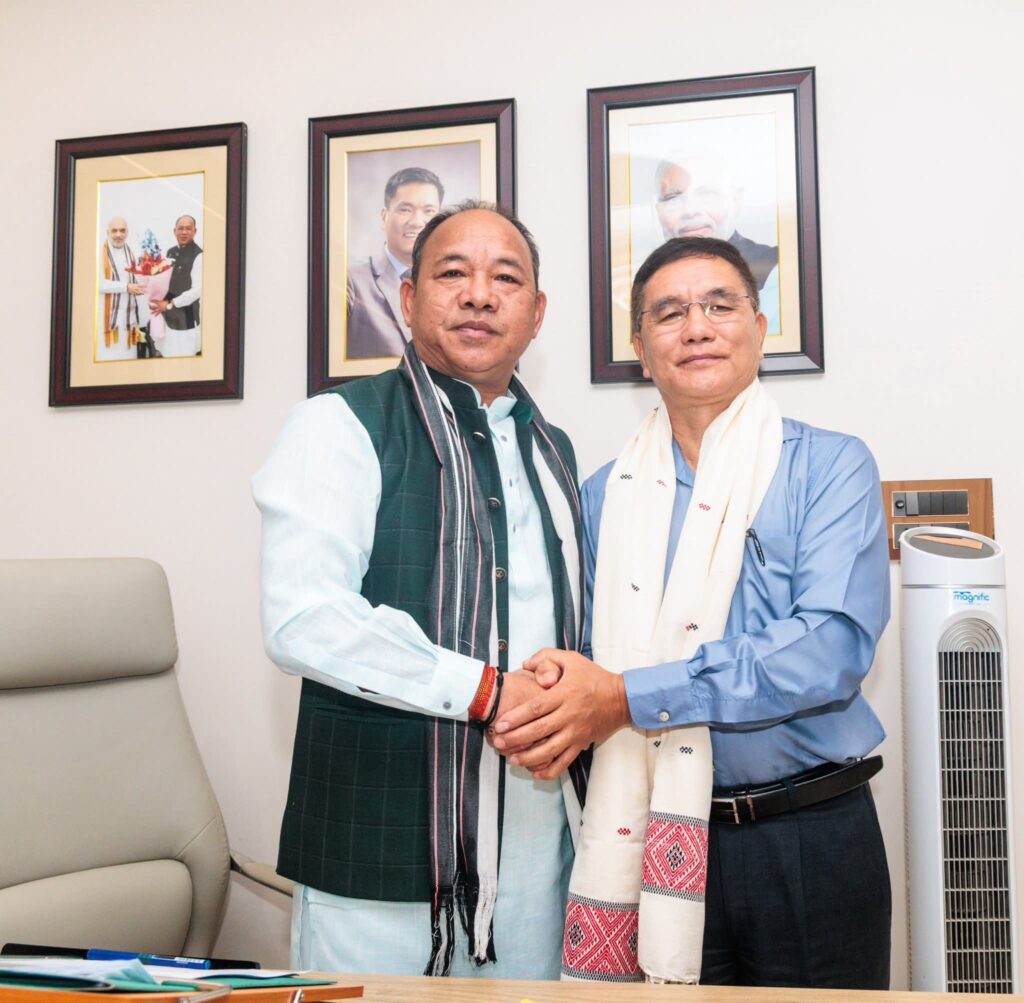
ITANAGAR : Arunachal Pradesh Police Inspector General of Police (IGP) Chukhu Apa, the first Indian Police Service (IPS) officer from the Nyishi community, retired from active service on attaining superannuation after serving for 34 years from 1992 to 2026. A felicitation programme was organised at the Police Headquarters (PHQ) in Itanagar on Friday, where officers of all ranks of the Arunachal Pradesh Police (APP) gathered to honour the retiring officer and wished him a healthy, peaceful and fulfilling retired life. Chief Minister Pema Khandu and Home and Border Affairs Minister Mama Natung also met and felicitated Chukhu Apa, extending their best wishes for his new innings after retirement. In a statement, Chief Minister Pema Khandu described Chukhu Apa as an officer who dedicated his life to service, discipline and duty. “On the occasion of his superannuation, I extend my heartfelt wishes to Chukhu Apa, IGP, who has served the people of Arunachal Pradesh with courage, commitment and integrity throughout his distinguished career in the police force,” Khandu said. “May the years ahead bring him peace, good health and joyful moments with family and friends. Wishing him a happy and well-deserved retired life. Thank you for your service to the state and the nation,” the Chief Minister added. Home and Border Affairs Minister Mama Natung said Chukhu Apa had rendered distinguished service to Arunachal Pradesh and the nation for more than three decades. “Over the years, he served across policing, intelligence and public safety with professionalism and dedication. His leadership and commitment to duty strengthened institutions and earned him the respect of colleagues and citizens alike,” Natung said. The minister further stated that as the first IPS officer and first Inspector General from the Nyishi community, Chukhu Apa created a legacy that would continue to inspire future generations of Arunachalees to pursue public service with confidence and integrity. During his career, Chukhu Apa served in the Arunachal Pradesh Police, Mizoram Police, Delhi Police, the Intelligence Bureau and also with the Research and Analysis Wing (RAW) in Afghanistan. Widely regarded as one of the finest and most capable officers in the APP, he was known for his professionalism, approachable nature and supportive leadership towards junior officers. Apart from policing, Apa is also known for his interest in painting, farming, arms collection, shooting and table tennis. He currently serves as the president of the Rifle Association of Arunachal Pradesh and has actively participated in several programmes and meetings related to shooting sports. At the PHQ function, Director General of Police (DGP) Dr S D Singh Jamwal, along with officers and personnel of the APP, felicitated Chukhu Apa and recalled memorable moments from his long service tenure. The gathering also prayed for his good health and a happy retired life ahead.