

ONLINE AGE

(Online version of the Arunachal Age newspaper)

Author name: OnlineAge

Editorial

Hate speech and the limits of law

In its observation that India’s existing legal frameworks are adequate to handle hate speech, the Supreme Court may have taken a credible position, but it still does not offer solutions to the problem. The Court noted that it is not the absence of laws but the failure in their implementation that has aggravated the issue and held the executive responsible for the gaps in enforcement. While hearing multiple petitions seeking separate laws to adjudicate hate speech and related crimes, it asserted that hate speech is “fundamentally antithetical” to the constitutional value of fraternity. Pointing out relevant provisions in the Bharatiya Nyaya Sanhita (BNS) and the Bharatiya Nagarik Suraksha Sanhita (BNSS) that cover hate crimes, the Court said they were designed for sufficient remedial action, including investigation and prosecution. There is no denying that poor enforcement of the law has further enabled a culture of hate in public discourse. The Court reminded public figures of their duty to exercise restraint in their speech. It reiterated its earlier judgments, which directed police officers to register FIRs immediately on receiving complaints about hate speech. It has been stated that prior sanction is not necessary for a magistrate to take cognisance of a complaint on the matter. The Court said the “constitutional role of the judiciary is primarily to interpret and apply the law, and not to legislate”; therefore, attempts by the courts to prescribe statutory schemes or frame provisions akin to legislation would amount to judicial law-making. While all this is true, it is notable that the Court’s past orders have not helped curb hate speech. Not many cases have been filed in connection with incidents of hate speech. Even when cases were registered—some involving brazenly divisive utterances—they resulted in acquittal. While the Court has stated its position, some issues stand out. It has directed the states to register cases against those indulging in hate speech, but the directive is largely ignored. Should the Court not take action on this? The inadequacy is systemic: when the offenders are people in positions of power, the complaints do not go anywhere. Though courts have stated what constitutes hate speech, there is still a lack of clarity. A legal definition may not be possible, given that at times, speech is defined by context. This leaves governments and the police with considerable latitude. Very often, courts also fail to see hate in speech, even when it is clear and unmistakable. (Source: DH)

Latest News, Popular News, State News

AAPPSCWA issues guidelines for private schools, hostels in Arunachal

Common academic calendar proposed for private schools from 2027 Staff Reporter ITANAGAR, The All Arunachal Pradesh Private Schools and Children Welfare Association (AAPPSCWA) has issued a fresh set of guidelines for private schools and hostels across the state, focusing on student safety, discipline, cultural preservation and institutional accountability. Addressing a press conference at the Arunachal Press Club here on Friday, AAPPSCWA president Yowa Bullet said the guidelines were framed to maintain educational standards and ensure transparency in the functioning of private educational institutions. As part of efforts to promote indigenous culture and identity, the association has directed all member schools to observe every Friday as “Traditional Dress Day”, during which students and staff members will wear traditional attire representing their respective tribes or districts. The association has also introduced new transportation safety norms. School buses older than five years from the date of purchase will not be allowed for transportation services, while the speed limit for school buses has been fixed at 40 km per hour. “The presence of a handyman or helper in every school bus has been made compulsory to ensure student safety,” Bullet said. To improve emergency preparedness, schools have been instructed to prominently display emergency contact numbers, including ambulance, fire service and nearest police station contacts, both on school buses and within school premises. Regarding hostel management, the association has directed that every hostel floor must have at least one warden and two assistant wardens for proper supervision and student safety. CCTV cameras are also to be installed in school and hostel premises, excluding girls’ hostel areas and other restricted privacy zones. The guidelines further emphasise food safety and hygiene in hostel kitchens. Hostel authorities have been directed to ensure food quality, cleanliness and mandatory tasting of food before it is served to students. In a welfare-oriented initiative, every private school under the association has been asked to provide free admission to at least two orphan students, subject to verification and approval by the district administration and the association. “The Deputy Commissioner concerned will chair the selection process for orphan students,” Bullet said. The association also announced that all private schools must obtain membership of the association for a minimum period of three years with effect from January 2026. A vigilance team constituted by the association will conduct inspections in schools across the state to verify standards and monitor compliance with the guidelines. The association warned that schools admitting students without proper Transfer Certificate (TC) and Permanent Education Number (PEN) may face penalties. AAPPSCWA further cautioned against any form of threat, assault or misconduct towards teachers and school management by parents or outsiders and stated that legal action may be initiated in such cases. From the academic session 2027 onwards, all private schools in the state are expected to follow a common academic calendar, except schools in Tawang and Ziro regions that may be exempted due to local conditions. The association informed that the annual academic schedule, including reopening dates, vacations and examinations, will be prepared and published by December every year for implementation in the following academic session.  

Latest News, Popular News, State News

First engineer from village: Devi Tabri cracks JE exam after years of struggle

SEPPA, In a remarkable story of perseverance and determination, Devi Tabri has become the first person from her village to clear the Junior Engineer (JE) examination, turning a long-cherished dream into a milestone achievement for her family and community. Born to Tayu Tabri and Bani Tabri, her success is being celebrated as a collective moment of pride for her village, inspiring many young aspirants in the region. Devi completed her schooling from Government Higher Secondary School (GHSS), Pampoli in Seppa and GHSS Kankarnallah in Naharlagun before pursuing higher education at Rajiv Gandhi Proudyogiki Vishwavidyalaya, Bhopal, Madhya Pradesh. Recalling her journey, Devi said, “It feels unreal and emotional at the same time. Coming from a small village where a government job once felt like a distant dream, becoming the first JE is not just my achievement but a victory for my family and village.” Her path to success was marked by challenges, including financial constraints, academic pressure and repeated setbacks in earlier Assistant Engineer and Junior Engineer examinations. “The preparation process was very challenging. There were moments of self-doubt when I could not clear the previous examinations. Managing pressure and long hours of study was mentally exhausting,” she said. Despite difficulties, Devi remained focused, often balancing her preparation with part-time teaching at coaching centres to support herself financially. “Yes, I faced financial, academic and social challenges, but my family and friends stood by me throughout, emotionally and financially whenever possible,” she added. After three determined attempts, she finally cleared the JE examination, bringing joy and pride to her family and entire village. “My family was extremely emotional and proud after the result. The villagers were equally happy because I became the first engineer from our village,” she said. Devi’s achievement has now become a source of inspiration for many young students in her village, encouraging them to pursue higher education and competitive examinations. “My message to the youth is that no dream is too big, no matter where you come from. I also hope parents continue to support their children’s education and aspirations,” she said. Looking ahead, she views this success as the beginning of a larger journey. “Clearing the JE exam is not the final destination. It is the beginning of greater responsibility and growth. I may also prepare for higher-level competitive examinations in the future,” she added. Devi Tabri’s journey stands as a powerful example of resilience, hard work and determination, proving that perseverance can overcome even the most challenging circumstances.  

Latest News, Popular News, State News

Support grows for SUMP PFR activities in Upper Siang

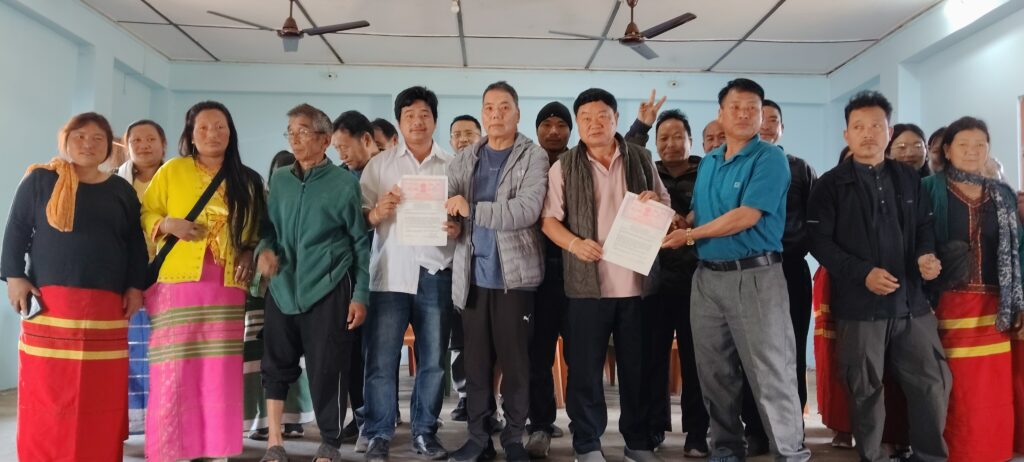
YINGKIONG, In continuation of outreach activities for the proposed Siang Upper Multipurpose Project (SUMP), pro-Pre-Feasibility Report (PFR) members from Zido, Ngaming and Palling villages extended their support to the ongoing PFR process in Upper Siang district. At a programme held at the Community Hall in Zido, a Memorandum of Understanding (MoU) was signed by 46 members from Zido village and 67 members from Ngaming village expressing consent to support PFR-related activities. In a separate programme at the Community Hall in Palling, 26 members from Palling village also signed the MoU in support of the initiative. The MoU signing ceremonies were attended by Tuting-Yingkiong MLA and Advisor to the Chief Minister Alo Libang, Chief Engineer of the Hydropower Department K Perme, State Nodal Officer for SUMP Er Atek Miyu, along with government officials, Gaon Burahs, public leaders and pro-PFR members. The MoU was signed on behalf of the Government of Arunachal Pradesh by Upper Siang Deputy Commissioner Talo Jerang, while representatives of Project Affected Families (PAFs) included Eshi Siboh of Zido, Odang Gamno of Ngaming and Genom Tekseng of Palling. Addressing the gathering, Tuting-Yingkiong MLA Alo Libang highlighted the significance of the proposed project and its strategic importance for the region. “The government is committed to ensuring informed participation and cooperation from all stakeholders in the proposed PFR activities,” Libang said. Upper Siang DC Talo Jerang said the objectives, potential benefits and concerns related to the PFR were being communicated to all stakeholders in a transparent manner. “We are committed to ensuring transparency and accountability throughout the process,” Jerang said. He further stated, “Participation in the MoU process is entirely voluntary. No coercion or force is being applied and every individual’s decision and viewpoint are respected. The administration is making dedicated efforts to reach out to people at the village level to ensure an open and transparent process.” Pro-PFR members also shared their views during the programme and expressed support for the proposed project.

Latest News, Popular News, State News

Papum Pare DC reviews anti-drug measures, stresses collective action

YUPIA, A meeting of the Narcotics Coordination (NCORD) Committee was held at the Deputy Commissioner’s Conference Hall in Yupia under the chairmanship of Papum Pare Deputy Commissioner (DC) Lobsang Tsering, focusing on strengthening anti-drug measures and inter-departmental coordination. Addressing the meeting, the DC underscored the seriousness of the government’s efforts to curb drug abuse and called for collective responsibility from all stakeholders. “The movement against drug abuse has been intensified following the constitution of NCORD Committees at various levels. We must work together to effectively tackle this menace,” he said. Tsering reiterated the government’s commitment to creating a safer and healthier society free from drug abuse. The DC also referred to concerns regarding Mengio being marked in the State’s map of illegal cannabis cultivation. He clarified that no active illegal cultivation is currently being carried out in Mengio, except for naturally growing wild cannabis in certain areas, and suggested its removal from the cultivation map. He directed the Police Department and district administration to form joint teams for the destruction of wild cannabis along roadsides and other areas and to submit Action Taken Reports (ATRs) to the government. He further advised Circle Officers of Leporiang, Parang, Mengio and Sagalee to jointly plan and carry out regular destruction drives within their jurisdictions to eliminate wild cannabis growth. Emphasising accountability, Tsering stated that Action Taken Reports must be prepared in both hard and soft copies and presented by all departments during NCORD meetings. Tsering, who also serves as Commissioner of Tax and Narcotics, assured full support in strengthening training and capacity-building initiatives to enhance anti-drug efforts. He stressed the need for convergence among key departments, including Education, Women and Child Development, Information and Public Relations and Health, for intensified awareness campaigns against drug abuse. NCORD convener Phassang Simi briefed the members on previous Action Taken Reports and called for stronger coordination, stating that drug addiction is severely impacting families and society. He also raised concern over the absence of a Standard Operating Procedure (SOP) for admission of mentally disturbed persons at the mental health facility and urged the Deputy Commissioner to take up the matter for necessary action. The DC also took serious note of the absence of some departments during the meeting and directed that all concerned departments must ensure mandatory presence and active participation in future NCORD meetings. (DIPR)

Latest News, Popular News, State News

Honey testing laboratory inaugurated at RGU to strengthen apiculture sector

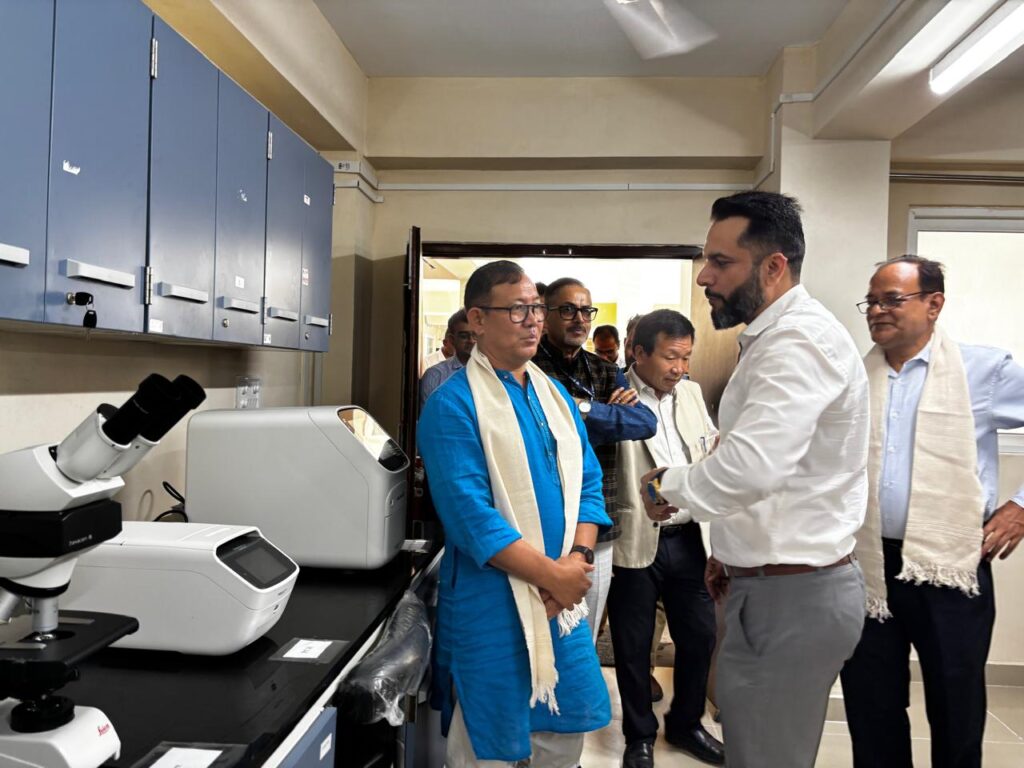
DOIMUKH, A state-of-the-art Honey Testing Laboratory was inaugurated at the Department of Food Technology, Rajiv Gandhi University (RGU), marking a major step towards strengthening the apiculture sector in Arunachal Pradesh. The initiative is part of a project funded by the National Bee Board (NBB) under the National Beekeeping and Honey Mission and implemented by the North East Centre for Technology Application and Reach (NECTAR) in collaboration with RGU. The programme began with the ribbon-cutting ceremony and plaque unveiling, followed by a demonstration of advanced honey testing procedures. A Bhumi Pujan was also conducted for the upcoming Honey Processing Unit aimed at strengthening honey processing and value-addition infrastructure in the region. Addressing the gathering, Doimukh MLA Nabam Vivek highlighted the importance of scientific beekeeping and value-added honey production for rural economic growth. “We must empower local farmers and youth through technology-driven initiatives and strengthen market linkages and entrepreneurial opportunities in Arunachal Pradesh,” he said. RGU Vice Chancellor Prof S K Nayak and Tezpur University Pro-Vice Chancellor Prof Amarendra Kumar Das stressed the role of academic institutions in promoting research-driven agricultural innovation and sustainable apiculture practices. They also underlined the importance of quality testing and certification in improving market competitiveness and creating opportunities for student research and skill development. NECTAR Director General Dr Arun Kumar Sarma said, “The initiative represents a replicable model for livelihood generation and rural development through scientific beekeeping. Integrated infrastructure for testing, processing, storage and marketing will significantly strengthen the apiculture ecosystem in the Northeast.” He also highlighted the role of digital monitoring systems and geo-tagging applications in ensuring transparency and efficient support for beekeepers. The project coordination and implementation at RGU are being carried out under the leadership of Dr Sandeep Janghu along with coordinators Dr N R N V Gowripathi Rao, Dr Saxena R P N and Dr Ashok Kumar Yadav. The laboratory and upcoming processing infrastructure are expected to benefit local beekeepers through access to quality testing facilities, improved market value for certified honey, enhanced processing and storage systems, technical training and sustainable livelihood opportunities. Officials said the initiative would help strengthen the honey value chain in Arunachal Pradesh, create employment opportunities for rural youth and women, and promote entrepreneurship in the region. NECTAR, functioning under the Department of Science and Technology, Government of India, has played a key role in implementing the project in collaboration with Rajiv Gandhi University. Officials said the initiative is expected to position Arunachal Pradesh as an important contributor to India’s beekeeping sector.

Latest News, Popular News, State News

Ex SAMANVAY 1.0 strengthens civil–military synergy in Eastern Arunachal

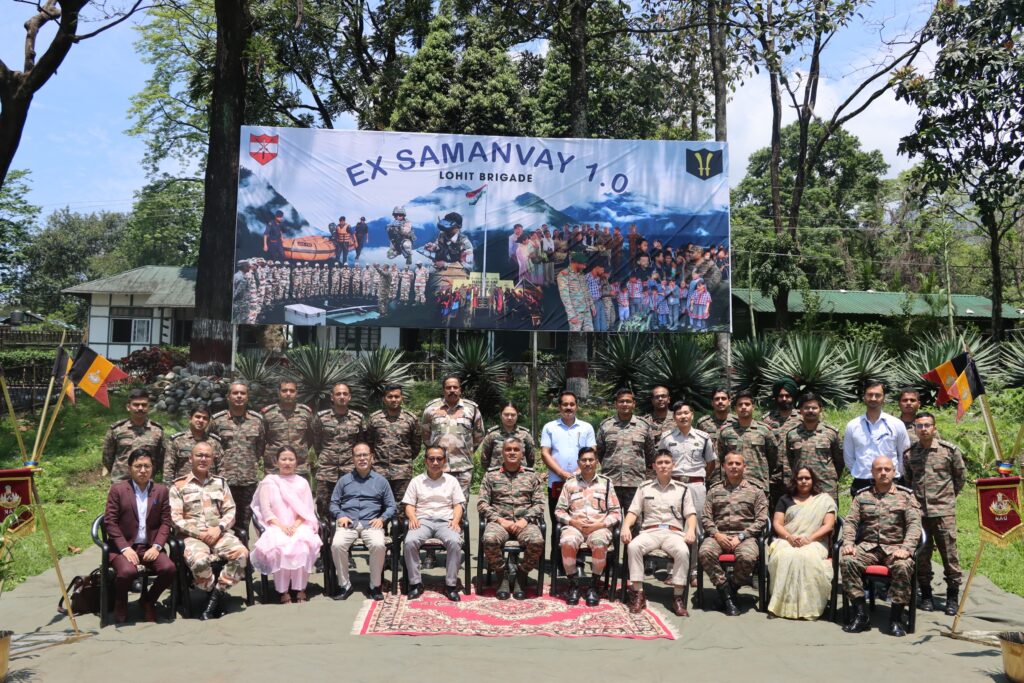
TEZU, The Lohit Brigade under the aegis of Dao Division on Friday organised Ex SAMANVAY 1.0, a Civil–Military Liaison Conference at Lohitpur, aimed at strengthening inter-agency coordination and promoting collaborative governance in Eastern Arunachal Pradesh. Held at the Headquarters of Lohit Brigade, the conference brought together senior officials from the Indian Army, civil administration, police, Indo-Tibetan Border Police (ITBP) and other departments to deliberate on strategic and developmental issues concerning the frontier region. Key discussions focused on border infrastructure development, operational preparedness, land acquisition matters, disaster management coordination, tourism promotion, and the prevailing security and socio-political scenario. Participants also deliberated on concerns related to anti-social elements, anti-national activities and the growing drug menace. Lohit Brigade Commander Brigadier Kaustubh Kekre, Sena Medal, highlighted the importance of integrated civil–military coordination in ensuring peace, stability and inclusive development in border areas. The conference was conceptualised and coordinated by 9 RAJPUT Commanding Officer Colonel Roopak Kumar Thakur and served as a platform for constructive dialogue and coordinated action among various stakeholders. Among the civil officials present were Wakro Additional Deputy Commissioner AJ Lungphi, Lohit Superintendent of Police Thutan Jamba, Namsai Deputy Superintendent of Police Matin Ratan, District Information and Public Relations Officer Nyatum Doke, and District Disaster Management Officer (DDMO) Ayang Yirang, along with senior officers from Lohit, Namsai and Anjaw districts. Lohit SP Thutan Jamba presented an overview of the security situation and socio-political developments in the region, highlighting law and order concerns, drug-related issues and the need for enhanced coordination among enforcement agencies. DDMO Ayang Yirang delivered a presentation on disaster preparedness and response mechanisms, stressing the importance of joint planning and capacity-building measures in disaster-prone areas. The conference also underscored the need for effective image building, perception management and public awareness initiatives. Participants stressed the importance of proper publicity and visibility of developmental activities undertaken by various agencies to build public trust and counter misinformation in sensitive border areas. Ex SAMANVAY 1.0 reaffirmed the shared commitment of participating agencies towards strengthening coordinated governance, enhancing rapid response capabilities and advancing nation-building efforts in Eastern Arunachal Pradesh. Officials expressed confidence that such collaborative platforms would continue to improve coordination, service delivery and long-term peace and stability in the region. (DIPR)

Latest News, Popular News, State News

Union Minister Harsh Malhotra inspects development projects in Lower Siang

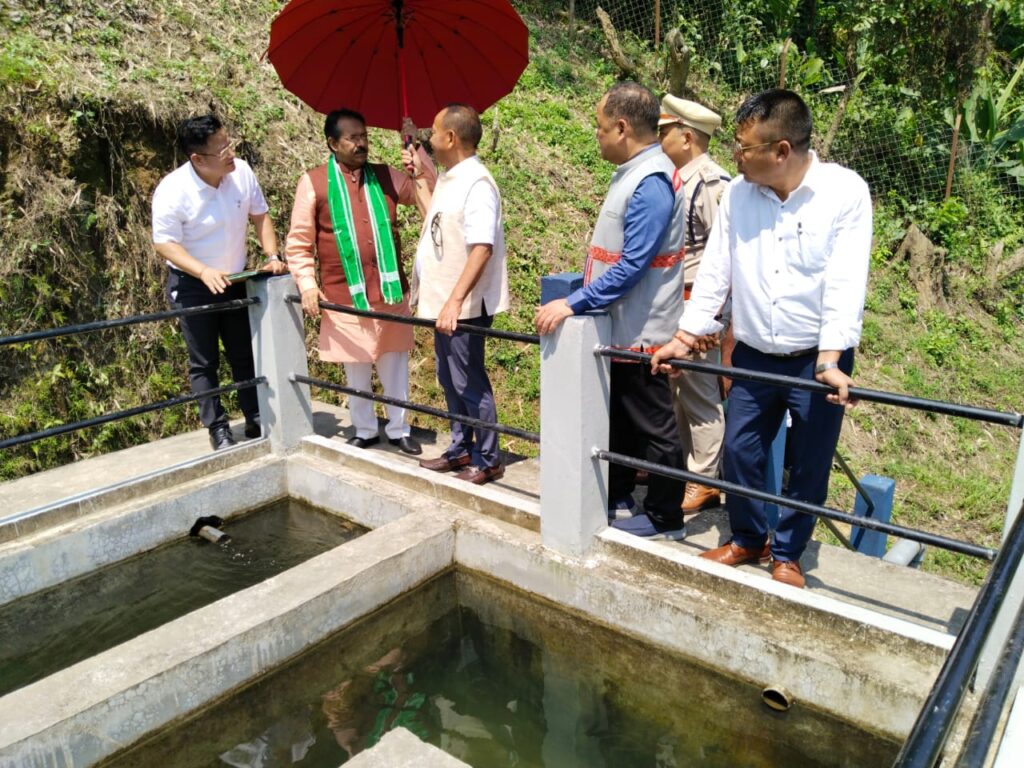
LIKABALI, Union Minister of State (MoS) for Corporate Affairs and Ministry of Road Transport and Highways Harsh Malhotra is on a two-day visit to Lower Siang district, reviewing key development projects and ongoing infrastructure works. The Minister was accorded a warm welcome at the Circuit House in Likabali, where he was accompanied by Lower Siang Additional Deputy Commissioner Kardo Nyigyor, Mokar Riba, officers and Panchayat members. During the first phase of his visit, the Minister inspected the newly constructed Kardu Taipodia District Hospital at Likabali, built under Government of India funding. He reviewed hospital infrastructure and interacted with the District Medical Officer, Medical Superintendent, doctors and staff to assess manpower availability and medical equipment facilities. Malhotra assured the hospital authorities that issues related to shortage of manpower and medical equipment would be taken up with the Prime Minister’s Office and concerned ministries for necessary action. He later inspected the Jal Jeevan Mission drinking water project at Likabali and interacted with engineers and beneficiaries regarding its implementation and progress. In the afternoon, the Minister visited PM Shri Upper Primary School at Silli village, where he interacted with school authorities, Gaon Burahs, School Management Committee members and villagers. Expressing concern over low student enrolment despite adequate infrastructure and population in the area, Malhotra stressed the need to strengthen the education system. “The importance of education must be prioritised, and communities should actively support initiatives such as Beti Bachao Beti Padhao,” he said. He also urged stakeholders to ensure effective implementation of the 33 per cent women’s reservation policy to improve women’s participation and social development. “The cultural heritage and traditions of society must be preserved through education so that the younger generation can sustain its identity,” he added. The Minister also visited Oil Palm nursery projects at Dipa, Seren, Pam and Old Deka villages, where he interacted with experts and progressive farmers on the scope of oil palm cultivation in the district. During his road inspection, Malhotra travelled along Pradhan Mantri Gram Sadak Yojana (PMGSY) routes and reviewed the quality and progress of road and bridge works executed by the State Rural Works Department. He expressed dissatisfaction over delays in the construction of the bridge over the Pale River at Pale village. Responding to a memorandum submitted by the Mongu Banggo Society regarding the deteriorating condition of the bridge over the Silli River, the Minister assured that the matter would be taken up with the concerned ministry for urgent and appropriate action.

Latest News, Popular News, State News

First camera trap evidence confirms tiger presence in D’Ering Sanctuary

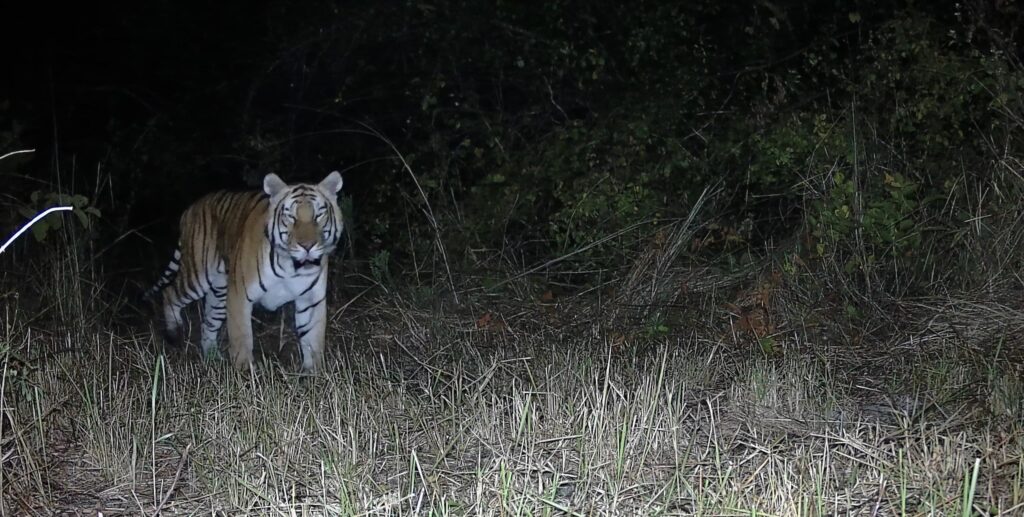
PASIGHAT, In a major conservation milestone, the first-ever camera trap photograph of a tiger (Panthera tigris) has been recorded in D’Ering Memorial Wildlife Sanctuary, confirming the species’ presence in the protected area after nearly two decades. Over the past year, forest officials and frontline staff of the sanctuary documented several indirect signs indicating possible tiger movement in the landscape. Multiple rounds of systematic monitoring and camera trapping were subsequently carried out to scientifically verify the observations. During the latest survey phase, conducted with technical support from the Ashoka Trust for Research in Ecology and the Environment (ATREE), camera traps installed at strategic locations successfully captured images of the tiger, conclusively establishing its presence in the sanctuary. The surveys also recorded the critically endangered Chinese Pangolin (Manis pentadactyla) and the endangered Hispid Hare (Caprolagus hispidus), underlining the ecological significance of the sanctuary’s riverine and grassland ecosystems. D’Ering Memorial Wildlife Sanctuary Divisional Forest Officer Kempi Ete said, “This is an immensely proud and emotional moment for everyone associated with D’Ering Memorial Wildlife Sanctuary. The return of the tiger after nearly two decades reflects the resilience of the ecosystem and the cumulative impact of sustained conservation efforts on the ground.” “The achievement belongs equally to our forest officials, frontline staff, Eco-Development Committee members and local community-based organisations that have continuously supported conservation initiatives in the landscape. We remain fully committed to strengthening protection measures and securing a safe habitat for this magnificent species,” Ete added. ATREE biodiversity and bioresource conservation initiative lead in Arunachal Pradesh Rajkamal Goswami said, “This historic photographic evidence of tiger, along with other highly threatened mammals, is a testament to the long-standing conservation efforts of the staff of D’Ering Memorial Wildlife Sanctuary since its inception.” “It also reflects the importance of recent efforts to build collaborative conservation initiatives involving research institutions and local communities. We hope this rediscovery brings greater conservation attention and support for scientific monitoring, stronger protection measures and sustained conservation action in the only protected area of Arunachal Pradesh where riparian grasslands form the primary habitat,” Goswami added. The confirmed presence of the tiger is being viewed as a significant indicator of ecosystem health and habitat integrity in the region. The Forest Department has reaffirmed its commitment to strengthening habitat protection, scientific monitoring and community-led conservation initiatives to ensure the long-term survival of wildlife in the landscape.

Latest News, Popular News, State News

MEDP on bead craft concludes

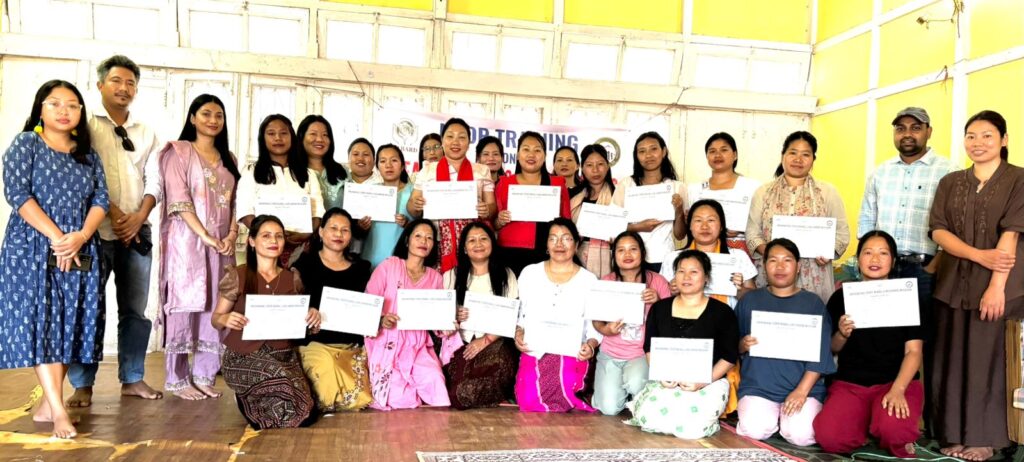
KHONSA, A 15-day Micro Enterprise Development Programme (MEDP) on bead décor and accessories making for Self Help Group (SHG) members of Khonsa block concluded on Friday at the Arunachal State Rural Livelihoods Mission (ArSRLM) training hall in Khonsa village. The programme was funded by the National Bank for Agriculture and Rural Development (NABARD) and implemented by ArSRLM through the Block Mission Management Unit (BMMU), Khonsa. The training programme was inaugurated on April 21 by State Bank of India (SBI), Khonsa Branch Manager S Manpong in the presence of Tirap Deputy Development Commissioner R Wangsu, NABARD officials and ArSRLM Block Mission Manager C Lowang. During the inaugural session, SBI Khonsa Branch Manager S Manpong sensitised SHG members on credit linkage schemes and interest rates for SHGs while assuring support to rural women entrepreneurs. The programme aimed at enhancing livelihood opportunities and income generation capacities of rural women through skill development and entrepreneurship promotion. Participants received hands-on training in bead décor and accessories making, including earrings, necklaces, bracelets, key chains, fridge magnets and other decorative items. Organisers said bead craft is one of the traditional cultural identities of Tirap and Longding districts, and the programme sought to preserve and promote the indigenous art form while creating sustainable livelihood opportunities for women. Apart from technical training, sessions were also conducted on business development planning, basic accountancy, enterprise management, credit linkage, packaging, branding and marketing to equip participants with entrepreneurial skills required for managing micro enterprises. As part of the learning programme, trainees were taken on an exposure visit to the District Emporium and traditional outlet stores to gain practical understanding of product display and marketing techniques. Officials said the initiative is expected to encourage SHG members to establish bead craft-based enterprises, contributing to women empowerment, preservation of traditional craftsmanship and strengthening of the rural economy in the region. (DIPR)