ONLINE AGE

(Online version of the Arunachal Age newspaper)

Author name: OnlineAge

Latest News, Popular News, State News

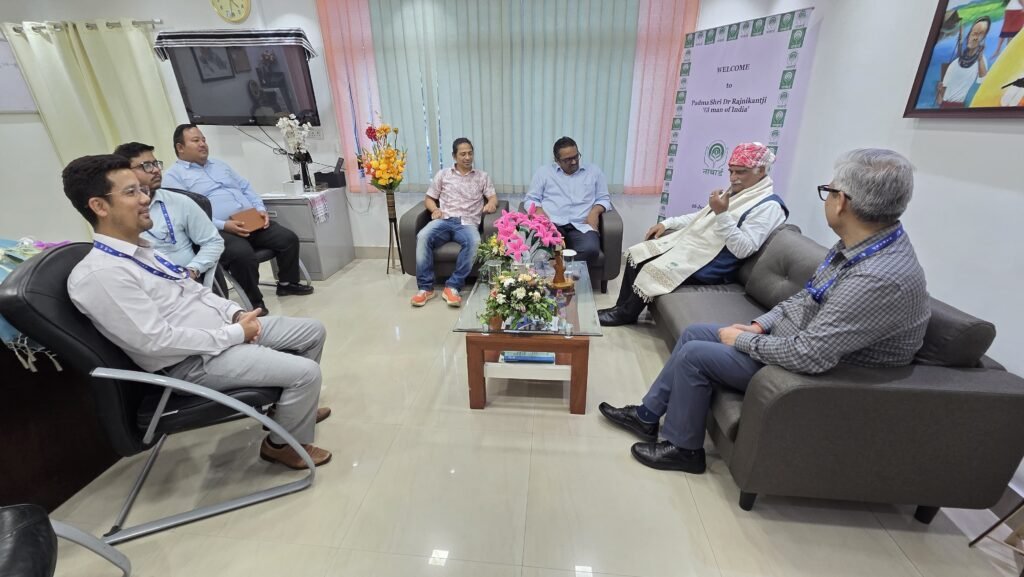
‘GI Man of India’ visits NABARD office in Itanagar

ITANAGAR : Padma Shri awardee Dr Rajnikant, popularly known as the “GI Man of India”, visited the National Bank for Agriculture and Rural Development (NABARD) Arunachal Pradesh Regional Office on Friday to discuss the promotion and preservation of the state’s unique Geographical Indication (GI) products. The meeting was attended by NABARD Arunachal Pradesh General Manager S.V. Ranga Rao, Deputy General Manager Vivek Anand and other officials. The discussions focused on NABARD’s initiatives to support rural artisans, weavers, craftsmen, farmers, Farmer Producer Organisations (FPOs) and Self-Help Groups (SHGs), with particular emphasis on facilitating GI certification for the state’s distinctive products. The participants also deliberated on strategies to preserve and promote GI products, noting that such initiatives can enhance livelihood opportunities while enabling rural communities to derive greater economic benefits from Arunachal Pradesh’s rich cultural and natural heritage. NABARD highlighted that it has supported the highest number of GI sanctions and applications in the country, covering a wide range of products, including several ethnic and tribal products. Dr Rajnikant commended NABARD’s proactive efforts to promote the state’s unique products and underscored the importance of GI tagging in preserving traditional knowledge, enhancing product value and creating better market opportunities for local communities. The discussions also reiterated the need to preserve traditional products while connecting them to wider national and global markets. NABARD, in turn, acknowledged Dr Rajnikant’s significant contribution and the support extended by his organisation in advancing GI tagging initiatives in Arunachal Pradesh, and reaffirmed the value of its strategic partnership with him.    

Latest News, Popular News, State News

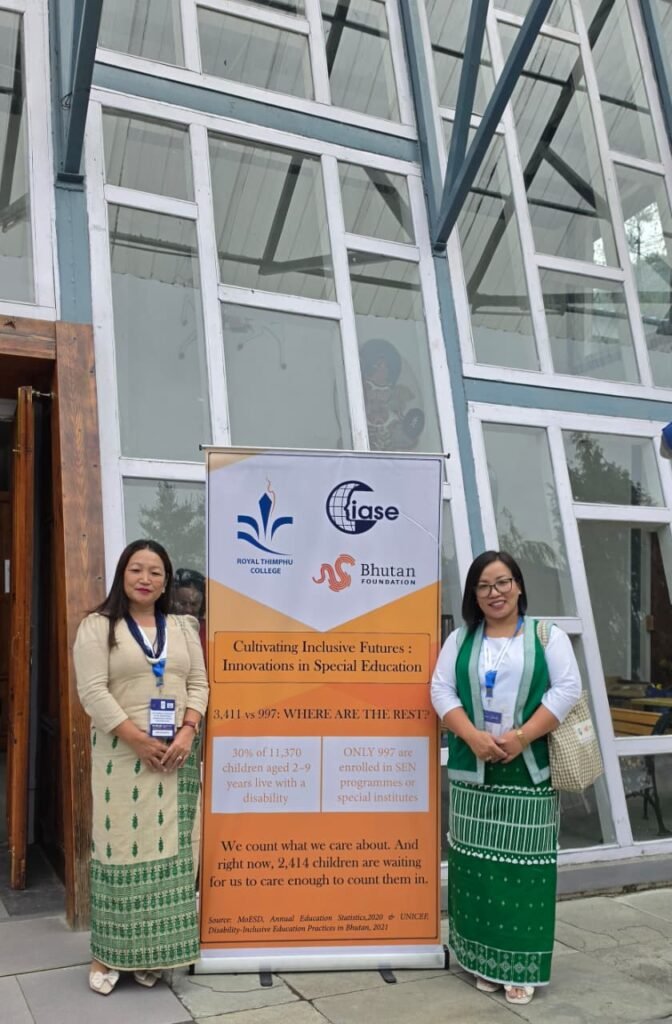
State academicians share inclusive education models at IASE Conference in Bhutan

ITANAGAR : Faculty members from Arunachal Pradesh presented research papers on inclusive education at the 19th Biennial Conference of the International Association of Special Education (IASE), held from June 21 to 26 at Royal Thimphu College in Bhutan. Hosted in collaboration with Royal Thimphu College, the conference also marked the 40th anniversary of the IASE and brought together academicians, practitioners, healthcare professionals, social workers, clinicians, policymakers, psychologists, administrators and family members from 28 countries to deliberate on innovations in special education and inclusive learning. Rajiv Gandhi University Department of Education Professor Anga Padu presented a paper titled “Inclusive Practices at Elementary Stage in Arunachal Pradesh.” She highlighted nine classroom and school-level practices adopted by elementary teachers to promote inclusive education, stressing that simple yet meaningful changes in day-to-day teaching can significantly enhance learning opportunities for all children, including those with disabilities and students from diverse socio-economic, cultural and regional backgrounds. Among the practices highlighted were mixed-gender seating arrangements, equal classroom participation, peer tutoring, remedial classes, leadership opportunities based on merit and responsibility, counselling support, school kitchen gardening and encouraging students to wear traditional attire on the 15th of every month to foster inclusivity and cultural awareness. Binni Yanga Government Women’s College Department of Education Associate Professor Dr Minu Sono presented a paper titled “Attitude of College Teachers towards Inclusive Education in Arunachal Pradesh.” She examined the awareness and attitudes of college teachers towards inclusive education and emphasised the need for collective efforts to strengthen positive perceptions, noting that teachers play a vital role in building an inclusive society. The conference provided a platform for delegates to exchange experiences and best practices in inclusive education while offering participants an opportunity to learn about Bhutan’s education system, curriculum and culture. Founded in 1985, the International Association of Special Education is a non-profit organisation dedicated to improving the quality of life and educational support services for individuals with special needs through the promotion of inclusive and equitable education worldwide.    

Latest News, Popular News, State News

Road restoration underway across Sagalee sub-division

SAGALEE : The old Doimukh-Sagalee road is set to emerge as a crucial second lifeline for the region as the district administration and Public Works Department (PWD) intensify restoration and clearance operations following recent floods and landslides. According to Sagalee Additional Deputy Commissioner Kipa Raja, PWD teams from the Sagalee, Toru and Doimukh divisions are working simultaneously from both ends of the old road corridor. Road clearance and bypass formation are underway at severely affected stretches near Yapam Badang and 15 Mile, while the Doimukh Division has begun clearing the route from Kola Camp towards 10 Mile. Officials expressed hope that once the teams from Sagalee and Doimukh meet at the 10 Mile stretch, the old Doimukh-Sagalee road will be restored, providing an alternative route for traffic movement and emergency services. Meanwhile, National Highway-13 between Hoj and Sagalee has been reopened for single-lane traffic since 3 pm on June 25, offering much-needed relief to commuters and stranded travellers. Connectivity has also been restored along the Sagalee-Nakar-Pilla-Parang-Silsango-Moya-Pistana-Pania route, benefiting commuters travelling to and from Keyi Panyor, Kra Daadi, Kurung Kumey, Kamle and Upper Subansiri districts. However, the Kheel-Toru-15 Mile-Kola Camp/Doimukh road remains blocked due to multiple landslides. Officials said engineers from the PWD Sagalee and Toru divisions are assessing the extent of the damage and the time required for complete restoration. The Yazali/Pitapool-Ompuli-Kheel-Toru road has also been rendered inaccessible after a major bridge was severely damaged and submerged during the floods. The district administration has appealed to commuters to exercise caution while travelling through vulnerable stretches and cooperate with authorities engaged in restoration works. (DIPR)    

Latest News, Popular News, State News

Youths encouraged to explore careers in aviation, aerospace

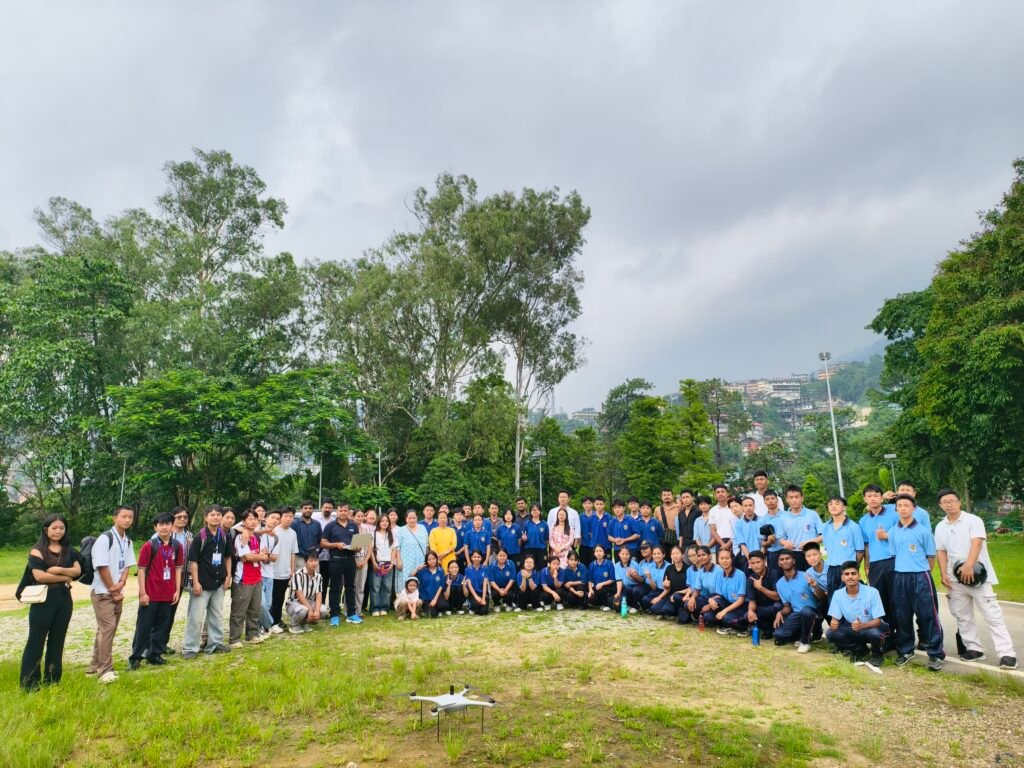
ITANAGAR : The Arunachal Pradesh Science Centre, a unit of the Arunachal Pradesh State Council for Science and Technology (APSCS&T), in collaboration with the New Delhi-based Centre for Scientific Outreach, organised a one-day Aviation Outreach Programme on Saturday to introduce students to emerging developments in aviation, aerospace and drone technology. The programme aimed to familiarise young learners with advancements in the sector while encouraging them to explore career opportunities in aviation and allied fields. Around 100 participants attended the event, including students from Green Mount School and other schools across the Itanagar Capital Region (ICR), accompanied by teachers, cadets of the 1st AP Battalion National Cadet Corps (NCC) from Rajiv Gandhi Government Polytechnic College, and internship trainees from Dera Natung Government College. Addressing the gathering, APSCS&T Chairman Dr Tage Taki urged students to make optimum use of the scientific infrastructure available in the state. Highlighting the transformative potential of unmanned aerial vehicles (UAVs), he said drone technology could revolutionise the delivery of life-saving medicines and essential supplies to remote and inaccessible areas of Arunachal Pradesh. Dr Taki encouraged students to develop a solution-oriented mindset to address real-world challenges and make use of the Reverse Engineering Facility at the Centre of Excellence for Science, Technology, Innovation and Research (CoE-STIR). Stressing the importance of curiosity and innovation, he remarked that “young minds are like a blank canvas.” Welcoming the participants, AP Science Centre Curator Vivek Kumar emphasised that scientific outreach should extend beyond classrooms to the grassroots level. He noted that drone technology holds immense potential to improve connectivity, development and public service delivery in a geographically challenging state like Arunachal Pradesh. The programme featured expert sessions combining theoretical knowledge with practical exposure. National Aviation Olympiad National Coordinator Vaibhav Varun of the Centre for Scientific Outreach delivered a presentation on emerging aviation technologies in India, covering drone regulations, certification pathways, aviation safety, global employment prospects and career opportunities. The session concluded with an interactive question-and-answer segment. A live drone demonstration was conducted at Parade Ground, IG Park, by North East Centre for Technology Application and Reach (NECTAR), Guwahati, expert Gajendra Kumar Gangwar. Participants were introduced to UAV fundamentals, the Directorate General of Civil Aviation (DGCA) Drone Rules, 2021, sensor payloads, calibration procedures, safety protocols and flight simulations. The organisers said the outreach programme successfully bridged the gap between classroom learning and practical technological applications by providing students with valuable insights into contemporary developments in aviation and drone technology.    

Latest News, Popular News, State News

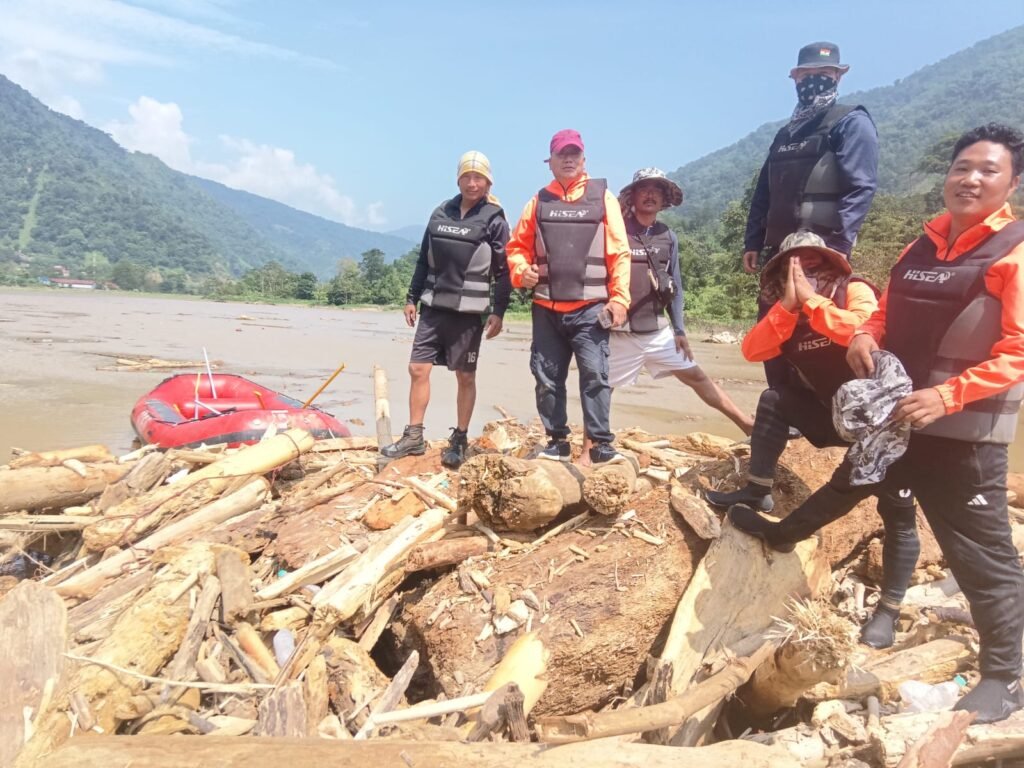
Beyond the badge: Keyi Panyor police, local youth brave the storm for Yazali

YAZALI : Keyi Panyor Police, in coordination with the State Disaster Response Force (SDRF) and local volunteers, are working round the clock to carry out search and rescue operations and restore connectivity in flood- and landslide-affected areas of the district. The operations were launched following emergency mobilisation by Keyi Panyor Superintendent of Police Angad Mehta after heavy rainfall triggered flash floods and landslides across the district. Police teams, assisted by local youth Bath David, have been engaged in rescue efforts, traffic regulation and road clearance despite challenging weather conditions. At the flood-hit NEEPCO Colony in Yazali, search and rescue operations are being led by Yazali Police Station Officer-in-Charge Toko Okey in coordination with the SDRF. Simultaneously, Yachuli Police Station Officer-in-Charge Toko Tapa and police personnel are assisting in relief operations and maintaining public safety. Efforts are also underway to clear landslide debris along the vital Pitapool-Potin highway. Police personnel, including Putul Hussain and Khoda Adil, are regulating traffic and managing naka duty at key locations such as Possa to facilitate the movement of heavy machinery and ensure the uninterrupted passage of emergency vehicles. Keyi Panyor Deputy Superintendent of Police (Headquarters) Hage Nado said police personnel have been operating under extremely challenging conditions to safeguard lives and maintain essential connectivity. He said the coordinated efforts of the police, SDRF and community volunteers remain focused on rescue operations, road restoration and ensuring public safety in the affected areas. The district administration and police have appealed to the public to cooperate with traffic diversions, follow official advisories and give priority to emergency vehicles to facilitate relief and rescue operations. (DIPR)    

Latest News, Popular News, State News

5-km awareness run promotes drug-free society in Aalo

AALO : Marking the International Day Against Drug Abuse and Illicit Trafficking, the Aalo Miles Running Club organised a 5-km awareness run on Friday to promote a drug-free society through fitness and healthy living. The event was organised in collaboration with the Integrated Child Development Services (ICDS) Department and the West Siang District Medical Office (DMO), drawing enthusiastic participation from youths and fitness enthusiasts across Aalo. Speaking on the occasion, club founders Yisum Bagra, Mini Ete and Yasang Chije said the initiative was aimed at encouraging a healthy lifestyle through regular physical activity while spreading awareness about the harmful effects of drug abuse. They informed that the Aalo Miles Running Club has been conducting weekly Sunday runs and has successfully completed its 11th consecutive week, steadily fostering a culture of fitness and community participation in the town. The organisers expressed gratitude to the ICDS Department and the District Medical Office for their support and reaffirmed their commitment to promoting fitness and anti-drug awareness through similar initiatives in the future. (DIPR)    

Latest News, Popular News, State News

CATC-68, YAMS training underway at RGGPC

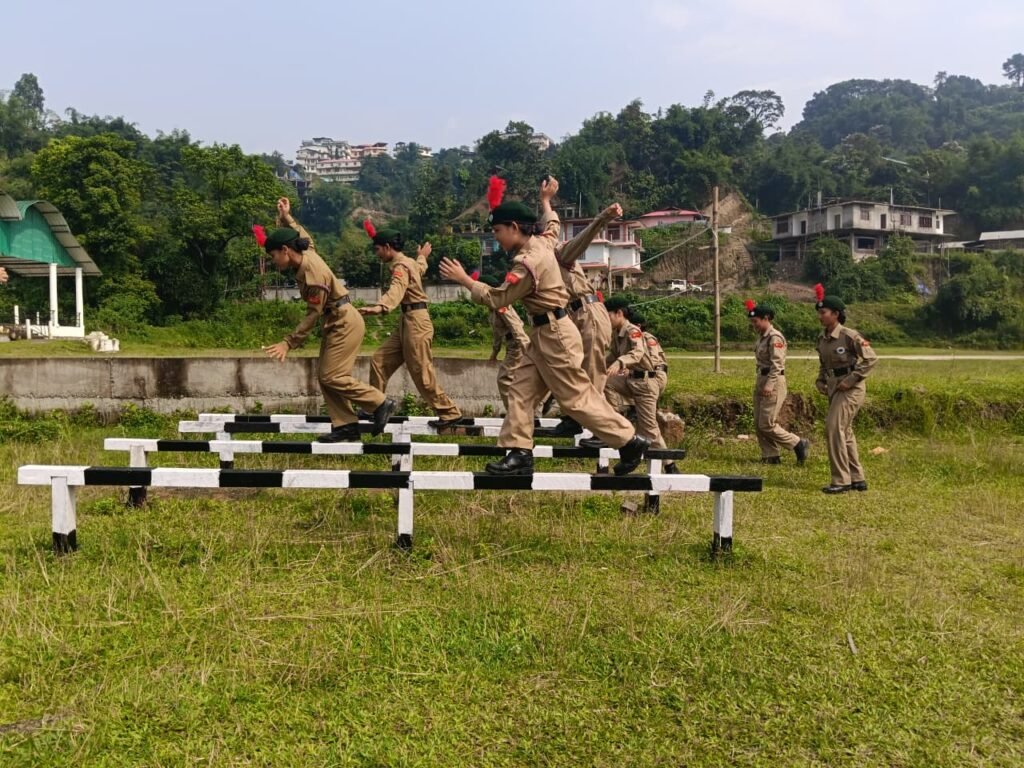
ITANAGAR : The 1 Arunachal Pradesh Battalion National Cadet Corps (1 AP Bn NCC), under the aegis of the NCC Group Headquarters Tezpur, has commenced its final Combined Annual Training Camp (CATC-68) cum Yuva Aapda Mitra Scheme (YAMS) programme for the training year 2026-27 at Rajiv Gandhi Government Polytechnic College (RGGPC), Itanagar. The 10-day camp, which began on June 24, will conclude on July 3. A total of 247 NCC cadets are participating in the camp under the leadership of the Commanding Officer of 1 AP Battalion NCC. The training is being conducted with the support of 10 military personnel, three Associate NCC Officers (ANOs) and one Caretaker Officer (CTO). The camp was visited by NCC Group Headquarters Tezpur Commander Brigadier Mayank Vaid, who toured the training facilities, including the firing simulator and firing range, and interacted with the cadets. The camp is aimed at familiarising cadets with the discipline and challenges of camp life while instilling the core NCC values of unity, discipline, national integration and esprit de corps. The training curriculum combines military instruction with personality development activities, including physical training, field craft and battle craft, small arms firing, musketry, weapon display, sword drill, yoga, games and lectures by distinguished resource persons. The activities are designed to build physical endurance, mental resilience, leadership qualities, teamwork and self-confidence. As part of the programme, cadets are also undergoing training under the Yuva Aapda Mitra Scheme (YAMS), an initiative of the National Disaster Management Authority (NDMA) aimed at developing volunteers capable of responding effectively during natural disasters and emergencies. The disaster preparedness training, conducted by certified instructors from the Arunachal Pradesh State Disaster Management Authority (SDMA), covers relief and rescue operations, emergency management techniques and disaster response to situations such as floods, cloudbursts and earthquakes. The organisers said the camp is intended to nurture disciplined, responsible and confident youth equipped with leadership qualities and practical disaster response skills to contribute effectively to society.    

Latest News, National, Popular News, State News

Drugs smuggling threat in NE states high due to increased opium cultivation in Myanmar: Report

NEW DELHI : The threat of drug trafficking from across the Myanmar border into India’s north eastern states and up to the hinterland has “dramatically” escalated due to more than 50 per cent expansion of illicit opium cultivation and production in the neighbouring country, as per a latest report. The document published by the federal anti-drug agency Narcotics Control Bureau (NCB) for 2025, added this development in Myanmar is an “accelerated” threat as it is the “single most important supply zone” for the global gap left after the “dramatic collapse” of Afghanistan opium. The report said the 1,643-km-long India-Myanmar international border functions as a “major” entry point for methamphetamine and heroin from the Golden Triangle region, “exacerbated” by porous terrain and the Free Movement Regime (FMR), particularly across Manipur, Mizoram, Nagaland and Arunachal Pradesh. India is geographically wedged between the Golden Crescent on its northwestern side (Pakistan-Afghanistan-Iran) and the Golden Triangle on its northeastern flank (Thailand-Myanmar-Laos). These are the two prolific drug-producing regions of the world. “Despite the 2022 Taliban drug ban, which reduced opium production by 93 per cent from its peak (in Afghanistan), UNODC (United Nations Office on Drugs and Crime) notes that stockpiles remain sufficient to meet demand through 2026. “It would be analytically imprudent, however, to interpret this contraction as a diminishing threat to India,” it said. On the other hand, the report said, Myanmar’s illicit opium production increased by over 50 per cent between 2020-24, with the area under poppy cultivation reaching 45,200 hectares. This makes the India-Myanmar border the “single most important substitute supply zone for the global gap left by Afghanistan collapse.” India’s eastern borders are the “most direct and porous” entry point for this expanding production base, and the consequences are already visible, the report said, pointing to the 140 per cent increase in Amphetamine Type Stimulant (ATS) seizures recorded in India between 2020-2025, culminating in 8.2 tons seized in 2024 alone. “This is the clearest empirical signal of how dramatically the eastern threat has escalated,” it said. The northeastern states of Manipur, Mizoram and Nagaland are bearing the “sharpest” frontline exposure. The porous border mechanism, including the erstwhile free movement regime along the India-Myanmar border, has created conditions under which the states have transitioned from peripheral transit zones to active staging grounds for distribution into the Indian hinterland, the report said. It went on to say that the second major trafficking corridor enters India through Champhai in Mizoram, which shares close proximity with Myanmar’s Chin state. Drugs are smuggled through unfenced and porous border stretches and routed towards Silchar in Assam’s Barak valley through Aizawl and adjoining road networks. Thereafter, the contraband moves towards Meghalaya and further reaches Guwahati, from where it is “distributed” across mainland India. The report quoted the UNODC World Drug Report 2025 to say that Myanmar produced 995 tonnes of opium in 2024, which was 50 per cent higher than in 2020. The NCB report also mentioned that the “most consequential” result of the collapse of the Afghan opium supply was that it has been “redistributed” and “diversified” and this drug was flowing eastward into India. “The broader implication is that India’s western exposure is shifting from being a high volume heroin transit problem to a more complex, multi-substance, tech-enabled smuggling problem,” it said. The report also alleged the use of Internet-based communication platforms for drugs trafficking, especially Telegram. “Encrypted messaging platforms such as Telegram, WhatsApp and Signal have emerged as significant channels for drug distribution globally, including in India,” it claimed. Unlike darknet markets that require specialised access, these platforms are widely accessible via smartphones, lowering entry barriers and enabling broader reach, the report said. “Among these, Telegram has become a prominent platform for drug advertising with public channels offering product listings, pricing and delivery details to large subscriber bases,” the report charged. Telegram was recently banned in the country during the re-NEET exam. Talking about its internal issues, the report said the NCB was facing a “critical” shortage of manpower in its legal wing as only one post was occupied out of the 38 sanctioned as of December, 2025. Similarly, all seven sanctioned posts of technical and cyber cadre were unfilled, highlighting a “significant gap” in NCB’s digital enforcement capabilities, as per the report. (Source: PTI)        

Latest News, Popular News, State News

Students sensitised on responsible digital use

PASIGHAT : An awareness camp on the ill effects of online gaming was organised at Government Higher Secondary School (GHSS), Borguli, on Saturday under Sahakarita Utsav 2026. The programme was organised by the Assistant Registrar of Cooperative Societies (ARCS), Pasighat, and the Arunachal State Rural Livelihoods Mission (ArSRLM), Mebo, in collaboration with Monggu Ane Didum Multipurpose Cooperative Society (MPCS) Ltd. and the District Cooperative Union. The event began with participant registration, followed by a welcome address by Mebo ZPM and Monggu Ane Didum MPCS Ltd Chairman Bapiyang Tayeng. Officials of the Block Mission Management Unit (BMMU), ArSRLM, Mebo, briefed students on the Government of India advisory on online gaming and emphasised the importance of responsible digital behaviour. BMMU Mebo Cluster Coordinator Tokmem Moyong conducted an awareness session on the harmful effects of excessive online gaming, highlighting issues such as addiction, poor academic performance, mental health concerns, physical inactivity and social isolation. The session concluded with an interactive question-and-answer segment. District Cooperative Union Chairman Malo Komut and Vice Chairman Lottek Pertin urged students to strike a healthy balance between digital engagement, academics, physical fitness and social interaction while using technology responsibly. The programme concluded with a pledge against harmful online gaming, followed by addresses from GHSS Borguli Principal Tani Pada and ARCS Pasighat Assistant Registrar L. Jongkey, who delivered the vote of thanks. The organisers said the camp helped enhance students’ awareness of the risks associated with excessive online gaming while encouraging informed digital choices that promote academic growth, mental well-being and a balanced lifestyle. (DIPR)

Latest News, Popular News, State News

Anti-drug awareness prog

BOMDILA : An awareness programme on drug abuse and the Protection of Children from Sexual Offences (POCSO) Act, 2012, was organised at Sera village near Bomdila on the occasion of the International Day Against Drug Abuse and Illicit Trafficking on Friday. The programme was jointly organised by the Brahma Kumaris RajYoga Meditation and De-addiction Centre, Bomdila, the West Kameng District Panchayati Raj Department and the West Kameng Police. It witnessed the participation of drug recovery youths, villagers, local youths, Panchayati Raj representatives, Gaon Burahs, women and community leaders, who reaffirmed their commitment to building a drug-free society. Welcoming the gathering, Phuntso Tashi highlighted the need for collective responsibility, community vigilance and compassionate rehabilitation in tackling substance abuse, while appreciating the collaborative efforts of the organisers. West Kameng Police Sub-Inspector and Reserve Officer Passang Dorjee delivered a presentation on the legal consequences of drug abuse and illicit trafficking under the Narcotic Drugs and Psychotropic Substances (NDPS) Act. He urged citizens, particularly the youth, to remain vigilant and support law enforcement agencies in combating the drug menace. Bomdila Police Station Officer-in-Charge Sub-Inspector Nima Tsering sensitised participants on the provisions of the Protection of Children from Sexual Offences (POCSO) Act, 2012. He explained children’s legal rights, mandatory reporting obligations and the collective responsibility of parents, teachers and community members in ensuring a safe environment for children. Delivering the keynote address, Brahma Kumaris RajYoga Meditation and De-addiction Centre Bomdila and Tawang Manager BK Mina highlighted the adverse impact of drug addiction on physical and mental health, family life and society. She stressed that lasting freedom from addiction requires inner transformation through RajYoga meditation, positive thinking, self-awareness and value-based living. Participants also took part in a guided RajYoga meditation session led by BK Mina, while several drug recovery youths shared their personal journeys of addiction, rehabilitation and recovery, inspiring the gathering with messages of hope and resilience. The programme also featured a de-addiction-themed dance performance by Brahma Kumaris Dirang Manager BK Lexmita and a “Nasha Mukt Bharat Abhiyan” street play presented by Brahma Kumaris volunteers, highlighting the harmful effects of substance abuse and the importance of prevention, family support and moral values. As part of the programme, participants took an anti-drug pledge, committing themselves to abstain from drugs, discourage substance abuse, support rehabilitation efforts and work towards an addiction-free society. Several Panchayati Raj leaders and community representatives also emphasised the importance of community participation, value-based education, strong family support and close cooperation with government agencies in eliminating drug abuse. The programme concluded with a vote of thanks proposed by a Gaon Burah, who urged participants to translate the day’s resolutions into sustained community action for a healthier and addiction-free society.