ONLINE AGE

(Online version of the Arunachal Age newspaper)

Author name: OnlineAge

REGIONAL

Manipur CM meets Gadkari in Delhi, discusses progress of key national highways in state

IMPHAL : Manipur Chief Minister Y Khemchand Singh on Wednesday met Union Road Transport and Highways Minister Nitin Gadkari in New Delhi and discussed the progress of key national highway projects in the state, including the Imphal-Jiribam and Imphal-Dimapur roads, according to an official statement. During the meeting at Gadkari’s official residence, the chief minister also sought early sanction of the proposed elevated highway project in Manipur. The Union minister responded positively to the state’s requests, the statement said. Regarding National Highway-37 (Imphal-Jiribam road), Singh informed Gadkari that land compensation issues in Noney district had been resolved following a revised survey and approval by the state cabinet, and that work on the project had commenced. On the Imphal-Dimapur highway, the chief minister said issues related to Kangpokpi district had been resolved, and a special package had been approved by the state cabinet. Singh also informed the Union minister that land issues continued to affect the Imphal-Ukhrul-Jessami highway project and that the state government was engaging with stakeholders to ensure an early resolution, the statement added. (Source: PTI)    

REGIONAL

Rs 700 cr economic opportunity for Assam in next 5 yrs in ‘concert tourism’: Report

GUWAHATI : A structured pipeline of marquee live events could generate over Rs 700 crore in cumulative economic impact within Assam over the next five years, a report released here on Wednesday claimed. It was based on a survey conducted by BookMyShow, an online entertainment ticketing platform, in collaboration with Assam Tourism Development Corporation Ltd (ATDC) and EY-Parthenon, a global strategy consulting arm of Ernst and Young (EY). The report, ‘The Assam Blueprint: Turning Live Music Economy into a Tourism Multiplier’, examined the economic, tourism, workforce and cultural impact of live entertainment in Assam following a concert by American singer-rapper Post Malone in December last year. It comes days after the announcement of another concert by the legendary rock band Guns N’ Roses in the city in November, as part of the state government’s ‘concert tourism’ policy. Unveiling the report at a press conference here, ATDC managing director Kumar Padmapani Bora said the report was compiled after extensive talks with various stakeholders. As per the report, a structured pipeline of marquee live entertainment events could generate over Rs 700 crore in cumulative economic impact within the state over the next five years. The Post Malone concert generated an estimated Rs 43 crore in total economic impact, including Rs 32 crore injected directly into Assam’s economy through attended spending and another Rs 5 crore in GST revenue. The concert attracted approximately 20,000 attendees, with 53 per cent coming from outside Guwahati, with people from over 200 cities and towns across the country attending it. The report further revealed that for every Rs 100 spent on a concert ticket, attendees spent an additional Rs 899 on accommodation, travel, dining, shopping and local services. Hotels in the city reported a nearly 30 per cent increase in occupancy during the concert weekend, local transport operators experienced more than 50 per cent growth in ride demand, restaurants and cafés recorded over 33 per cent growth in walk-ins, while retail businesses witnessed more than 30 per cent higher footfalls during the event. Bora said the live events are part of the state’s concert tourism policy, adopted last year. “For Assam, the concert economy is not just about entertainment; it is about tourism, culture, youth engagement and economic growth working together. Our objective is to build a facilitative ecosystem where large events become repeatable opportunities that bring visitors into the state, create local employment and showcase Assam to national and global audiences,” he said. As per the policy, at least three marquee live events, featuring national or international performers, will be organised, Bora said. “A concert arena will also be developed in Guwahati in the next two to three years,” he added. Naman Pugalia, chief business officer, Live Events, BookMyShow, also present at the press meet, said the deep-rooted connection of North East region with music serves as a catalyst for hosting concerts here. “The Post Malone concert demonstrated how globally benchmarked live experiences can generate value far beyond the venue, creating impact across tourism, hospitality, local enterprise and employment,” he said. The successful hosting of the event was also a demonstration of the synchronisation of government, industry and local stakeholders, Pugalia added. Raghav Anand, partner and leader, Media and Entertainment, EY-Parthenon, speaking virtually at the press conference, said, “What makes Assam particularly exemplifying is not just the headline economic impact, but the ecosystem behind it — clear policy direction, institutional coordination, infrastructure investment and a commitment to measuring outcomes.” “When live entertainment is treated as economic infrastructure rather than a one-off spectacle, it becomes a repeatable engine for tourism, employment and regional growth,” he added. The Assam government had approved a policy in May last year for promoting ‘concert tourism’, and also joined hands with Bigtree Entertainment, which operates BookMyShow, to organise various national and international musical concerts in the state. (Source: PTI)    

Editorial

India’s growth story at a crossroads

India’s economy delivered a stellar performance in the January-March quarter of 2026. GDP growth came in at 7.8 per cent, easing slightly from 8 per cent in the preceding quarter but comfortably above market expectations of 7.2 per cent, taking full-year FY26 growth to 7.7 per cent. Prime Minister Modi has every reason to proclaim India the world’s fastest-growing major economy. The number is real. The achievement is genuine. But a number, however impressive, is not the full story. Look past the headline, and the stress fractures become visible. Begin with the central bank. The Reserve Bank of India held its repo rate steady at 5.25 per cent for the third consecutive meeting in June, maintaining a neutral stance even as it cut its GDP growth forecast for FY2026-27 sharply to 6.6 per cent from an earlier 6.9 per cent. A central bank that simultaneously freezes rates and slashes its own growth projection is not a central bank radiating confidence. It is one navigating a tightrope. Inflation is now projected to average 5.1 per cent for the current fiscal year, up significantly from an earlier estimate of 4.6 per cent. The “rare Goldilocks” era that RBI Governor Malhotra celebrated just months ago has quietly given way to stagflationary risk. Then there is the rupee downslide. Foreign investors have offloaded over $20 billion in Indian shares so far this year, placing the rupee under severe pressure and making it one of Asia’s worst-performing major currencies in 2026. A sliding currency is more than a financial statistic — it is a barometer of confidence, and right now that barometer is falling.  Capital outflows of $13.7 billion from the equity segment alone since January have prompted the RBI to roll out emergency measures to attract foreign capital. The global backdrop adds further complexity. Economists have cautioned that growth is likely to moderate this year amid rising energy costs and global uncertainty linked to the West Asia conflict. India’s ability to source affordable energy has been disrupted, and the RBI’s own revised growth trajectory for FY27 ranges between 6.3 per cent and 6.8 per cent across quarters – a step down from FY26’s pace. What should India do to keep the momentum alive? Three imperatives stand out. First, protect the rupee without choking growth. The RBI must strike a balance between currency stability and keeping borrowing costs conducive to investment. Deepening forex reserves, encouraging long-term capital inflows and reducing oil import dependence are the sustainable answers. Second, broaden the base of growth. While services, manufacturing and construction have driven the recent surge, agriculture grew just 3.6 per cent — a sector that still employs nearly half the workforce. Inclusive growth demands that rural incomes rise, farm productivity improves and the benefits of the services boom reach beyond Tier-1 cities. Third, stay fiscally disciplined. The temptation to spend India’s way through global headwinds is understandable, but deficit overruns would further spook foreign investors and weaken the rupee. The economy needs not just celebration, but honest diagnosis. The numbers are strong. The foundations need tending. (Source:  The Pioneer)

Latest News, Popular News, State News

Contingency workers seek CM’s intervention on regularisation

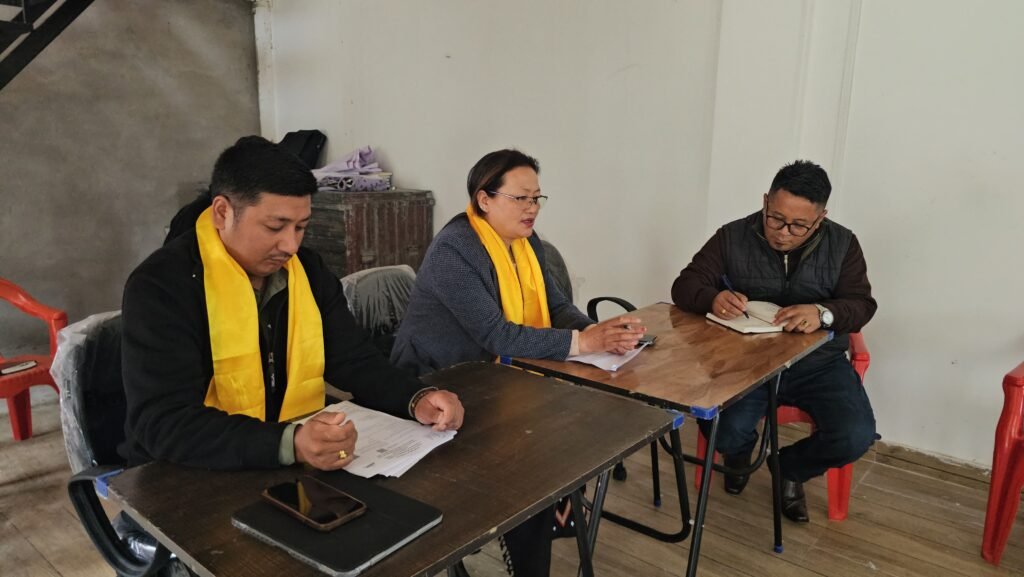
Staff Reporter ITANAGAR : The All Arunachal Pradesh Government Department Working Contingency Staff Association (AAPGDWCSA) has appealed to the state government to regularise contingency workers through direct recruitment on the basis of seniority under their respective Heads of Departments (HoDs). Addressing a press conference at the Arunachal Press Club here on Tuesday, AAPGDWCSA president Karba Kayi Tamin said many contingency workers have been serving in various government departments for 15 to 20 years and would face difficulties competing in examinations conducted by the Arunachal Pradesh Staff Selection Board (APSSB) for regular appointments. The association urged Arunachal Pradesh Chief Minister Pema Khandu to direct all departments to convene Departmental Promotion Committee (DPC) meetings regularly, alleging that delays in holding such meetings have stalled the regularisation of thousands of contingency workers across the state. Raising concerns over the implementation of reservation policies, the association claimed that eligible contingency workers under the Persons with Disabilities (PwD) category are not receiving the benefits guaranteed under government Recruitment Rules, which provide for a four per cent reservation during the regularisation process. Seeking the Chief Minister’s intervention, the association called for strict enforcement of the reservation policy and urged all HoDs to ensure compliance while processing regularisation cases involving PwD employees. The association also expressed concern over the alleged regularisation of unskilled contingency workers as Multi-Tasking Staff (MTS) in certain departments. It maintained that skilled contingency workers should be accorded priority for MTS posts, citing their experience and ability to perform a wide range of departmental responsibilities. The AAPGDWCSA appealed to the state government to address the long-pending grievances of contingency workers and ensure a fair, transparent and merit-based regularisation process.      

Latest News, Popular News, State News

MoS Pabitra Margherita unveils textile initiatives in Ziro

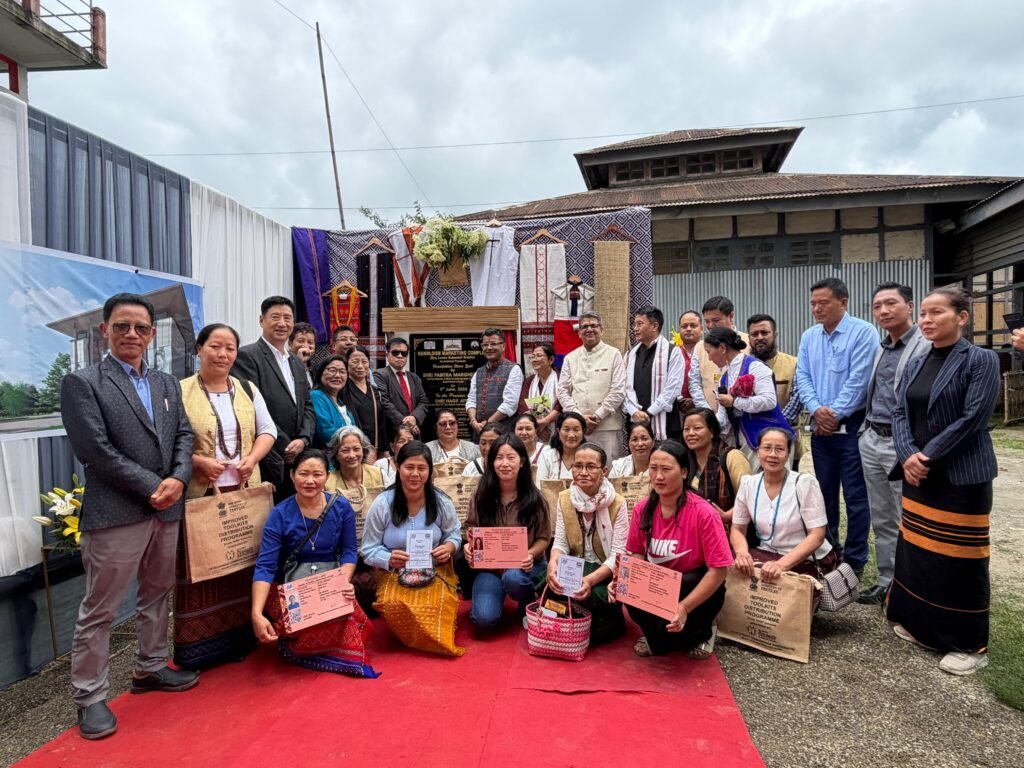
ZIRO : Union Minister of State (MoS) for External Affairs and Textiles Pabitra Margherita concluded his visit to Lower Subansiri district on Tuesday, reaffirming the Centre’s commitment to strengthening the handloom and handicrafts sector while promoting sustainable livelihood opportunities in Arunachal Pradesh. Addressing local weavers, handicraft artisans and district officials, Margherita described Arunachal Pradesh as an integral part of India’s rich cultural heritage and highlighted the state’s unique contribution to preserving indigenous traditions. He praised Chief Minister Pema Khandu for his leadership, citing the state’s ongoing infrastructure development and efforts to safeguard tribal culture and heritage. The MoS also commended Arunachal Pradesh’s Members of Parliament for their role in advocating developmental and textile-related initiatives for the state. A key highlight of the visit was the laying of the foundation stone for the Ziro Handloom Marketing Complex at the Government Crafts Centre. The proposed facility is expected to provide local weavers with a dedicated platform to market and promote their products to wider domestic and international audiences. Margherita also distributed specialised toolkits to artisans under the Comprehensive Handicrafts Cluster Development Scheme, aimed at enhancing productivity and supporting the preservation of traditional craft practices. Earlier, the MoS received a traditional welcome from district administration officials and community leaders upon his arrival in Ziro. He began the day’s programme with a visit to Siddheshwarnath Temple at Kardo and later attended a breakfast meeting hosted by Ziro-Hapoli MLA Hage Appa, where discussions focused on local developmental priorities and future opportunities for the region. Before proceeding to Palin in Kra Daadi district, Margherita held a review meeting with district officials to assess the implementation of ongoing central initiatives in the textiles sector and regional development programmes. (DIPR)      

Latest News, Popular News, State News

Robin Hibu appointed Professor of Practice at Saint Claret College, Ziro

ZIRO : Saint Claret College (Autonomous), Ziro (SCCZ), has appointed noted Indian Police Service (IPS) officer and social reformer Robin Hibu as Professor of Practice in its Department of Social Work following approval from the Ministry of Home Affairs (MHA), Government of India. The honorary appointment, believed to be the first of its kind for a serving IPS officer of Director General of Police (DGP) rank, marks a significant milestone for the institution and reflects its commitment to integrating academic learning with practical experience. The approval was conveyed by the MHA through an official communication dated May 20, 2026, following a proposal routed through the Delhi Police. A 1993-batch Arunachal Pradesh-Goa-Mizoram and Union Territories (AGMUT) cadre IPS officer and the first IPS officer from Arunachal Pradesh, Hibu currently serves as a Director General of Police in Delhi. During his distinguished career, he has held several key positions, including Superintendent of Police, Deputy Commissioner of Police, Inspector General of Police, Special Commissioner of Police and Chief Security Officer to the President of India. He has also served in United Nations peacekeeping missions in Bosnia and Kosovo. Hibu is the recipient of several prestigious honours, including the United Nations Peace Medal, President’s Police Medals, Arunachal Pradesh Gold Medals for Outstanding Service and the Ati Utkrisht Seva Padak. Beyond his policing career, he is widely recognised as the founder of Helping Hands, a humanitarian organisation that assists people from the Northeast across India through emergency support, legal aid, healthcare services and educational initiatives. According to the college, Hibu’s association with the Department of Social Work will provide students with valuable exposure to public administration, leadership, governance, ethics and community service. His extensive professional experience is expected to help bridge the gap between classroom learning and real-world practice. Established in 2024, the Department of Social Work has been actively promoting field-based learning and community engagement. The college expressed confidence that Hibu’s mentorship and interaction with students and faculty members would further strengthen the department’s mission of nurturing socially responsible and professionally competent graduates. The formal induction ceremony was held at the college, where the appointment order was handed over to Hibu’s mother, Hibu Yasing. Faculty members, representatives of Helping Hands and the Mahatma Gandhi Centre, Ziro, attended the programme, while Robin Hibu and his wife joined the event virtually.      

Latest News, Popular News, State News

Tai Tagak’s nomination found valid for RS poll

ITANAGAR : The scrutiny of nomination papers for the biennial election to the lone Rajya Sabha seat from Arunachal Pradesh was conducted on Tuesday at Nokmey Namati Hall of the Arunachal Pradesh Legislative Assembly Secretariat here. The scrutiny was carried out by Arunachal Pradesh Legislative Assembly Secretary-cum-Returning Officer Tadar Meena and Assistant Returning Officer Longman Ronrang in the presence of the candidate and his representatives. The process was supervised by Arunachal Pradesh Biennial Election Chief Electoral Officer-cum-Observer Pawan Kumar Sain and Joint Chief Electoral Officer Liken Koyu. During the scrutiny, the two nomination papers submitted by Bharatiya Janata Party (BJP) candidate Tai Tagak were examined and found to be valid. Following the scrutiny, Tagak was declared a validly nominated candidate for election to the Council of States (Rajya Sabha).      

Latest News, Popular News, State News

APUWJ GS raises concerns over online regulation at US briefing

ITANAGAR : The U.S. Department of State’s London International Media Hub hosted an online interaction on Tuesday for journalists from India, Nepal, Uzbekistan, Turkmenistan and several other countries, focusing on Freedom 250 and the recent diplomatic engagements of United States Under Secretary of State for Public Diplomacy and Public Affairs Sarah B. Rogers. The discussion centred on commercial diplomacy, cultural heritage preservation, digital freedom and innovation. Among the participants was Arunachal Pradesh Union of Working Journalists (APUWJ) General Secretary and The Arunachal Pioneer Sub-Editor Sonam Jelly. Sharing insights from her recent two-week visit across South and Central Asia, Rogers said the United States’ engagement in the region was guided by three key priorities—commercial diplomacy, preservation of cultural heritage and strengthening connectivity through digital freedom and innovation. The issue of media censorship and regulation of social media platforms featured prominently during the interaction when Jelly sought Rogers’ views on whether censorship was necessary and the challenges governments face in regulating online spaces. Responding to the query, Rogers said the United States approaches the issue through the lens of the First Amendment, which guarantees freedom of speech. She described censorship as the suppression or punishment of speech by a central authority, particularly governments, based on the viewpoints being expressed. “I don’t think that any country needs censorship. In fact, I think we’re all much better without it,” Rogers said, adding that free speech and free enterprise have historically driven innovation and technological advancement in the United States. At the same time, she acknowledged that governments face legitimate concerns over harmful conduct in digital spaces. Distinguishing regulation from censorship, Rogers said there could be appropriate “rules of the road” online without suppressing ideas or restricting free expression. Citing the recently enacted Take It Down Act in the United States, she highlighted legal protections available to victims of deepfakes and non-consensual intimate imagery as an example of targeted measures designed to address online harms while safeguarding freedom of speech. Throughout the interaction, Rogers emphasised that open information ecosystems and free expression are not only democratic principles but also important drivers of economic growth, entrepreneurship and innovation. Jelly’s intervention reflected growing global concerns over how societies can combat misinformation, deepfakes and other emerging digital challenges without undermining the fundamental freedoms that underpin democratic discourse.    

Latest News, Popular News, State News

ArSRLM facilitates on-the-spot FSSAI, UDYAM registration for SHGs in Tawang

TAWANG : In a significant initiative to strengthen rural entrepreneurship and promote women-led enterprises, the Block Mission Management Unit (BMMU) under the Arunachal State Rural Livelihoods Mission (ArSRLM) organised a one-day registration camp on Food Safety and Standards Authority of India (FSSAI) and UDYAM registration at the BMMU Training Hall, Walk Through Market, Tawang. Addressing the participants, BMMU Tawang Dr Tsewang Dorjee highlighted the importance of formal registration in enhancing business credibility, expanding market access and creating growth opportunities. He encouraged women entrepreneurs to remain committed to their ventures and outlined various government initiatives aimed at creating “Lakhpati Didis”. He also shared the government’s vision of enabling every Producer Group to achieve an annual turnover of over ₹10 lakh. Dorjee informed the participants that products manufactured by Self-Help Groups (SHGs) would soon be showcased at Hollongi Airport, offering a valuable marketing platform. He noted that both FSSAI and UDYAM registrations would be mandatory for participation. Tawang Deputy Director of Industries Tsering Drema conducted an awareness session on the registration process, eligibility criteria and benefits available under the Prime Minister Formalisation of Micro Food Processing Enterprises (PMFME) Scheme and UDYAM Registration. She cautioned participants against fraudulent websites seeking sensitive personal information and clarified that UDYAM registration is free of cost through the official government portal. Drema also explained the benefits available to registered SHGs, including access to government support schemes and opportunities to participate in procurement and tendering through the Government e-Marketplace (GeM). Tawang Food Safety Officer Dr Kesang Yeshi Tukshipa delivered a detailed session on FSSAI registration, food safety compliance requirements and the advantages available to registered food business operators. Earlier, Block Coordinator (Livelihoods–Non-Farm) Drema Lhamu welcomed the participants and encouraged them to utilise the camp to clarify registration-related queries and explore business development opportunities. The camp witnessed enthusiastic participation from around 40 members of women Self-Help Groups, Mothers’ Kitchens and local women entrepreneurs. An interactive session allowed participants to engage directly with resource persons and seek guidance on registration procedures and enterprise development. A major highlight of the programme was the successful on-the-spot registration of several enterprises under both FSSAI and UDYAM, marking a significant step towards formalisation, improved market access and sustainable business growth. The initiative reflects ArSRLM’s continued commitment to nurturing resilient rural enterprises, strengthening women-led businesses and creating new avenues for economic empowerment across Arunachal Pradesh. (Source: DIPR)    

Latest News, Popular News, State News

CAPE workshops mark major push for education reform in Keyi Panyor

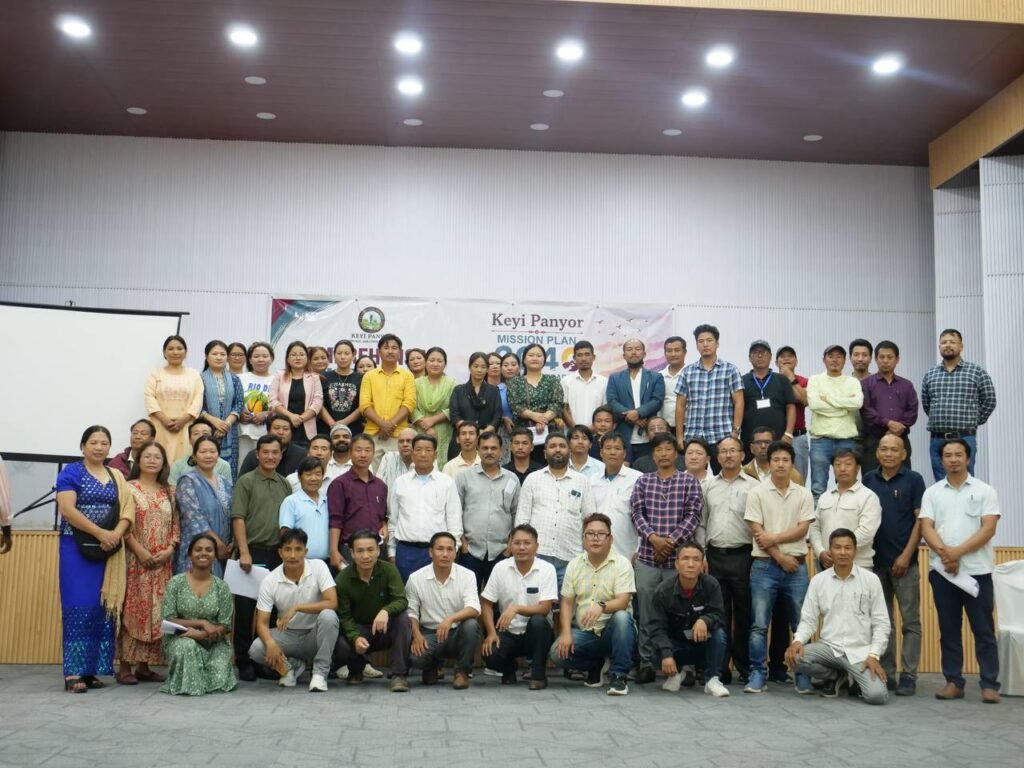
YAZALI :  The Comprehensive Action Plan for Education (CAPE), a flagship initiative under the Keyi Panyor Mission Plan 2040 (KPMP 2040), has successfully concluded its first district-wide cluster-level teachers’ workshop series, marking a significant step towards strengthening public education in Keyi Panyor district. Held on June 8 and 9, the workshops witnessed participation from more than 90 per cent of teachers serving in government schools across the district. The initiative is being implemented under the leadership of Yachuli MLA Toko Tatung, whose Keyi Panyor Mission Plan 2040 places education at the centre of the district’s long-term development strategy. Three intensive workshops were conducted covering all six educational clusters of the district—Param Putu, Yachuli, Yazali, Pitapool, Deed and Pistana. Teachers from primary, upper primary, secondary and senior secondary schools participated in collaborative planning and learning sessions aimed at improving educational outcomes. In a message shared during the programme, Tatung said the future of Keyi Panyor would be shaped not only by physical infrastructure but by the quality of education, empowered teachers and strong community participation in public schools. The workshops were facilitated by a multidisciplinary CAPE core team comprising education experts, community development professionals and policy practitioners from across the country. The sessions adopted a participatory approach, encouraging teachers to work in groups and develop practical solutions for local educational challenges. Discussions focused on three key priorities—strengthening community confidence in government schools under the theme “Community is Our Wall”, increasing enrolment and reducing migration from government schools through “Nature Schooling”, and ensuring improved attendance and dropout prevention under the “No Child Left Behind” campaign. As part of the exercise, participating teachers signed individual CAPE Action Promise Cards, committing themselves to specific goals related to enrolment, attendance, community engagement and school improvement. Key outcomes of the workshops included the preparation of cluster education action plans, community trust-building strategies, school enrolment improvement plans, dropout prevention measures, school-specific innovation proposals and recommendations for future Shiksha Mitras. Priority infrastructure requirements for schools were also identified. The CAPE team noted that one of the major achievements under KPMP 2040 has been the district’s move towards a comprehensive fee-free education framework covering elementary, secondary, senior secondary and graduate-level education, aimed at reducing financial barriers for students and families. According to the organisers, the workshop series represents the first phase of a long-term educational transformation programme. Upcoming phases will include consultations with Anganwadi workers, selection and mentoring of Shiksha Mitras, community engagement initiatives and sustained monitoring of educational progress across the district. The initiative reaffirmed its vision of ensuring “Every Child in School, Every Teacher a Leader, and Every School a Centre of Community Learning,” while promoting an education system that is equitable, community-driven and rooted in local realities.