

ONLINE AGE

(Online version of the Arunachal Age newspaper)

State News

Latest News, Popular News, State News

Borders neglected in past, top priority for Modi govt now: Rijiju

NEW DELHI, AUG 20: Union Parliamentary Affairs Minister Kiren Rijiju on Thursday said border areas had been neglected in the past but were now a “top priority” of the Narendra Modi government, as he sought to counter claims of fresh Chinese incursions in Arunachal Pradesh. Rijiju also invoked former defence minister A K Antony’s 2013 statement in Parliament, saying the Congress leader has then acknowledged India’s historical policy of keeping border areas underdeveloped and that allowed China to steal a march over India in building infrastructure and capabilities along the frontier. Antony, however, had also made it clear in the same speech that the policy had been abandoned 20 to 25 years earlier and said successive Indian governments had since been strengthening infrastructure and military capabilities in border areas. He had claimed that the UPA government, then in its ninth year in office, had done the “maximum” to strengthen such capabilities. The remarks by Rijiju, who represents Arunachal West in the Lok Sabha, come amid renewed concerns over Chinese military activity in the Upper Subansiri region of Arunachal Pradesh. “Some people casually commented on border. Border areas are tough but @narendramodi govt is committed to border development. I went to Maza, Galemo, Taksing areas in Arunachal Pradesh to speed up infrastructure works. Borders were neglected in the past but it’s top priority now,” Rijiju said in a post on X. In a separate post, he targeted the Congress over its record on border infrastructure. “Amongst the Congress leaders, A.K. Anthony Ji is very honest. As Defence Minister he admitted the Congress Govt’s policy of not making border infrastructure on the floor of the Parliament,” he said. Rijiju was referring to Antony’s remarks in the Lok Sabha on September 6, 2013, when the then defence minister acknowledged that China had built significantly better infrastructure along the border and attributed India’s lag to a policy followed for decades after Independence. Explaining the historical thinking behind the policy, Antony had said, “Independent India had a policy for many years that the best defence is not to develop the border. Undeveloped borders are safer than developed borders. So, for many years, there was no construction of roads or air fields on the border areas.” “By that time, China continued to develop their infrastructure in the border areas. So, as a result, they have now gone ahead of us. Compared to us, infrastructure-wise, capability-wise in the border areas, they are ahead. I admit that. It is a part of history,” he had said. But Antony had gone on to say that the approach was no longer India’s policy and that the change had begun well before the UPA assumed office in 2004. “But, of late, in the last 20-25 years, the Indian governments also realised the mistake and changed its policy. Now, we are also strengthening our capabilities in the border areas,” he had said. “I can tell you, without any exaggeration, that only during the last nine years, as the UPA Government, we have done the maximum to strengthen the capabilities in the border areas. In times of UPA-I & UPA-II, it is being done. And may be the future governments also will continue the same thing, whoever comes, they will continue the same thing,” Antony had said. The latest controversy in Arunachal Pradesh has centred on the Taksing sector. On Wednesday, Rijiju had rejected claims that Chinese troops had penetrated as much as 60 km inside Arunachal Pradesh, but acknowledged concerns among local residents. “India-China Border issue is a serious subject. Do not make false claim on such sensitive matter. We don’t want to repeat the past mistakes. Govt will address the concern of the local people and protect Indian Territory,” Rijiju wrote on X. India and China share a more than 3,400-km-long disputed boundary whose alignment is not mutually agreed upon at several places. After reports of tension along the border surfaced recently, the Ministry of External Affairs said peace and tranquillity along the LAC was critical to the overall relationship with China. “In matters relating to the border areas between India and China, we have always emphasised in discussions with the Chinese side that we consider these issues as most serious,” MEA spokesperson Randhir Jaiswal had said on August 11. “We have also stated that the state of the border affairs will reflect on the state of our larger bilateral ties,” he said, adding that maintenance of peace and tranquillity in the border areas was of “utmost importance”. (Source: PTI)  
Latest News, Popular News, State News

Space technology can transform development in Arunachal: Mein

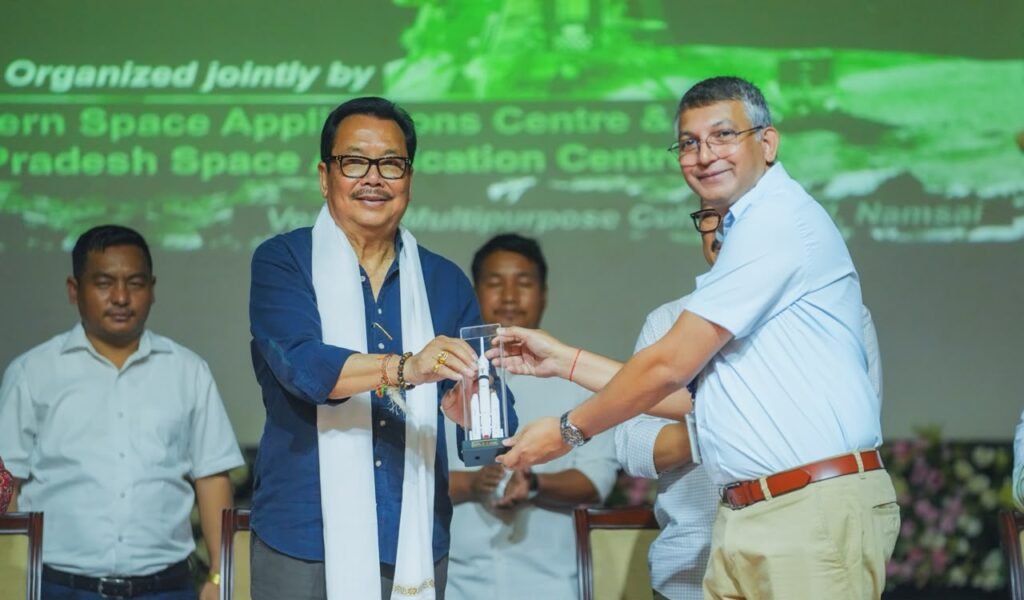
NAMSAI, AUG 20: Deputy Chief Minister Chowna Mein on Thursday said greater use of space technology could significantly strengthen development planning, disaster preparedness and sustainable management of resources in Arunachal Pradesh. Mein was speaking at the inaugural programme of National Space Day 2026 celebrations at Namsai, organised jointly by the Arunachal Pradesh Space Application Centre (APSAC) and the North Eastern Space Applications Centre (NESAC). He said India’s space programme had evolved from an endeavour focused primarily on exploration into a powerful tool for nation-building and improving people’s lives. Satellite-based technologies, remote sensing, Geographic Information System (GIS) and other space applications, he said, were increasingly contributing to disaster management, agriculture, natural resource mapping, infrastructure planning, environmental monitoring and governance. He said the importance of space technology was particularly significant for Arunachal Pradesh due to its vast geographical area, difficult terrain, rich natural resources and vulnerability to earthquakes, landslides and floods. Greater application of space-based technologies could strengthen planning, improve disaster preparedness and support inclusive and sustainable development, he added. Mein appreciated the participation of students and their interaction with scientists from the Indian Space Research Organisation (ISRO), saying such exposure would encourage curiosity, scientific thinking and innovation. He said continued engagement with ISRO, APSAC and NESAC could inspire more students from the state to pursue careers in science, technology, engineering and related fields. Highlighting the contribution of APSAC and NESAC, Mein said their work in resource mapping, agriculture, disaster management, infrastructure planning and environmental monitoring had considerable potential to support the state’s development priorities. Later, Mein inspected the site of the upcoming state-of-the-art Science Centre (Category-II) and 10-metre Dome Digital Planetarium (Category-II) at Namsai. The facility is being developed under the Scheme for Promotion of Culture of Science (SPoCS) of the Ministry of Culture, Government of India. The project is being implemented by the National Council of Science Museums (NCSM), with the Arunachal Pradesh State Council for Science and Technology under the Department of Science and Technology as the state nodal agency. The Public Works Department (PWD), Namsai Division, is executing the construction. Mein reviewed the progress of work and directed the executing agency to maintain quality standards and expedite construction. He urged the PWD to make every effort to complete the building ahead of the scheduled completion date of March 2028 so that the facility could be made operational for students and the public at the earliest. He said the Science Centre and Planetarium would strengthen the state’s scientific and educational infrastructure by providing students and citizens opportunities to engage with science, astronomy and space exploration through interactive learning and modern technology. Mein said Arunachal Pradesh had immense potential to benefit from advancements in space technology and must continue to strengthen collaboration with national institutions. He said investment in education, science, technology and innovation would contribute to the state’s vision of Viksit Arunachal Pradesh and the larger national vision of Viksit Bharat 2047. Science and Technology Minister Dasanglu Pul, Namsai MLA Chau Zingnu Namchoom, Science and Technology Secretary Wayong Khimun, ISRO Scientist/Engineer ‘G’ Dr Nagendra B R, Science and Technology Director Dr Chau Dhanya Mungyak, APSAC Director Dr H Dutta, APSAC Joint Director Dr Liagi Tajo and NESAC State Coordinator Arunachal Pradesh Dr Chandan Goswami were among those present. The programme featured interactions with ISRO scientists, talks on India’s space programme and Moon missions, presentations on space applications for societal benefit, an exhibition, audio-visual presentations and a quiz competition for students.  

Latest News, Popular News, State News

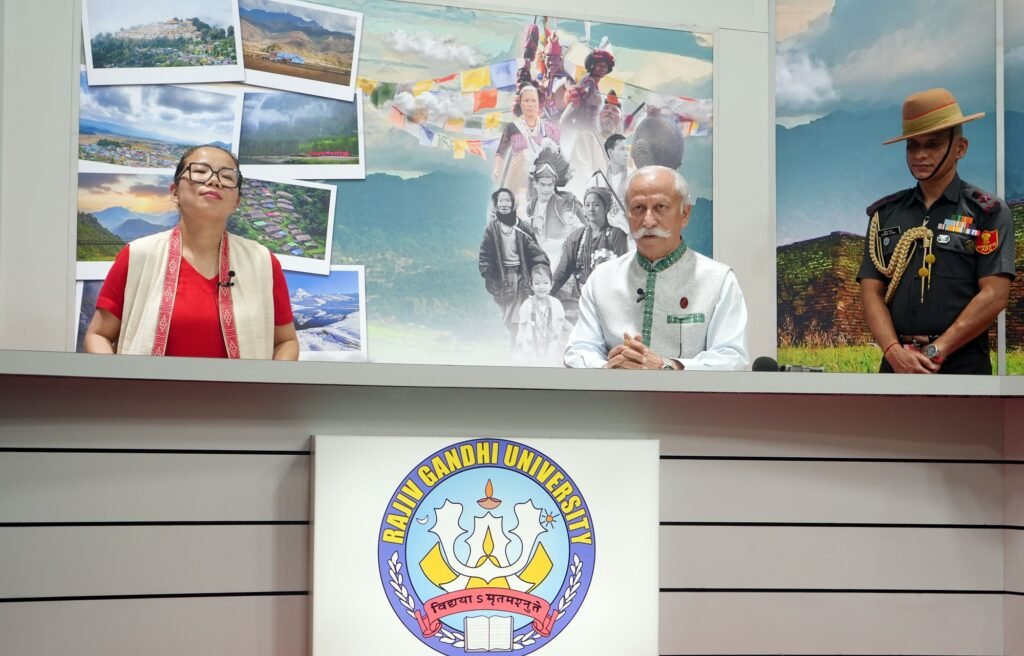
RGU gets state-of-the-art Broadcast and Digital Media Centre

RONO HILLS, AUG 20: Governor Lt Gen KT Parnaik (Retd) inaugurated the state-of-the-art Broadcast and Digital Media Resource Centre at Rajiv Gandhi University (RGU) here on Thursday, marking a significant step in strengthening media education, experiential learning and public communication at the university. Speaking during the first live telecast from the facility, the Governor said the new centre marked another milestone in RGU’s journey in media education and public communication. Recalling the inauguration of the university’s Community Radio Station Radio Rono 91.2 FM in August 2023, he said the two facilities would have a far-reaching impact on higher education, public awareness and the development of Arunachal Pradesh. Parnaik said the Media Resource Centre should serve not merely as a physical facility but as a hub for learning, creativity, communication and public service. It will provide students with practical exposure to broadcasting, production, editing, anchoring and visual storytelling while promoting informed dialogue, educational programming and cultural preservation. Emphasising the influence of mass media, the Governor urged media practitioners to use the medium responsibly to promote transparency, civic awareness and social change. He suggested developing well-researched programmes on issues such as drug abuse, corruption, environmental protection, public health and social justice to build a more informed and responsible society. Referring to Prime Minister Narendra Modi’s call to strengthen the Nasha Mukt Bharat Abhiyan and empower women through the Lakhpati Didi initiative, Parnaik urged RGU to utilise the centre as an instrument of positive social transformation. He called for impactful content and awareness campaigns against drug abuse, particularly among youth, while highlighting success stories of women entrepreneurs and Self-Help Groups. The Governor said the centre could also showcase local role models, innovative livelihood initiatives and community-led development efforts to inspire young people towards productive and healthy lifestyles and encourage greater participation of women in economic activities. “Media, when used responsibly, has the power not only to inform but also to motivate behavioural change and contribute meaningfully to nation-building,” he said. RGU Department of Mass Communication Assistant Professor Moji Riba said the centre was established as a modern audio-visual production and training facility to strengthen experiential learning, digital content creation, institutional communication and professional media education. He said students would receive hands-on training across the media production workflow, including broadcast journalism, news production, anchoring, camera operation, studio lighting, audio production, video switching, programme direction, floor management, podcasting, editing, colour grading, sound design, documentary production and virtual production. As part of the inaugural programme, the Governor also participated in a plantation drive under ‘Ek Ped Maa Ke Naam’, symbolising the bond between mother and child and collective responsibility towards environmental conservation. He expressed confidence that the initiative would inspire greater environmental responsibility and create a lasting green legacy for future generations. RGU Vice Chancellor Prof Shivaraj, Registrar Dr NT Rikam, Dean Faculty of Communication Studies Prof Uttam Kr Pegu and Head of the Department of Mass Communication Prof KH Kabi were present on the occasion.  

Latest News, National, Popular News, State News

IIT Delhi, Arunachal collaborate on district road safety plans

NEW DELHI, AUG 20: Arunachal Pradesh Transport Minister Ojing Tasing on Thursday inaugurated the inception workshop for preparation of District Road Safety Action Plans for three high-fatality areas of the state at the Indian Institute of Technology Delhi (IIT Delhi). The workshop was organised by the Transportation Research and Injury Prevention Centre (TRIPC) of IIT Delhi following its collaboration with the Arunachal Pradesh Transport Department to prepare evidence-based and location-specific road safety plans for the Itanagar Capital Region (ICR), East Siang and Namsai. The initiative seeks to develop targeted interventions to reduce road fatalities and serious injuries in line with the mandate of the Supreme Court Committee on Road Safety. The workshop brought together representatives of the state government, district administrations, police and health departments, road-owning agencies and road safety experts. Addressing the deliberations, Tasing emphasised the need for coordinated and district-specific action and reiterated the state’s goal of reducing road fatalities by 50 per cent by 2030. He urged district administrations to work closely with TRIPC-IIT Delhi and facilitate the development of strong, evidence-based interventions tailored to local conditions. Arunachal Pradesh Commissioner-cum-Secretary Transport Saugat Biswas highlighted the need to move beyond aggregate crash statistics towards identifying localised risks, prioritising interventions and clearly defining institutional responsibilities. He said TRIPC-IIT Delhi would also conduct capacity-building and sensitisation workshops for senior officers and stakeholders at the state and district levels. IIT Delhi Dean (IRD) Dr Ashwini Agarwal welcomed the participants and highlighted the institute’s research, innovation and applied work in addressing complex public policy challenges. TRIPC Head Professor Girish Agrawal outlined the centre’s work and the broader relevance of the collaboration, while Professor Emeritus Geetam Tiwari shared global experiences in reducing fatal and serious road crashes. East Siang Deputy Commissioner Sonalika Jiwani presented the district perspective, highlighting practical road safety challenges and implementation issues. Former Member of the Supreme Court Committee on Road Safety Sanjay Mitra spoke on strengthening district-level road safety governance. WHO India Dr Asheel highlighted the public health dimensions of road safety, while TRIPC-IIT Delhi Dr Rahul Goel stressed the importance of reliable data and evidence in identifying and addressing road safety risks. The workshop was attended by ICR Deputy Commissioner Toko Babu, Namsai Deputy Commissioner Lobsang Tsering, East Siang Deputy Commissioner Sonalika Jiwani, SP (Road Safety) Singhjatla Singpho, Chief Engineer Highways Chou Choutang, Nodal Officer Road Safety (Health) Dr Lobsang Tempa and officials from highway divisions and other stakeholder organisations. The deliberations focused on district-specific risks, data gaps, institutional coordination and implementation challenges. The exercise is expected to result in actionable Road Safety Action Plans for the three areas and provide a framework for systematic district-level road safety planning across Arunachal Pradesh.  

Latest News, Popular News, State News

ANSU seeks return of MoRTH regional office to Itanagar

ITANAGAR, AUG 20: The All Nyishi Students’ Union (ANSU) has urged the Centre to shift the Ministry of Road Transport and Highways (MoRTH) Regional Office, currently functioning from Tezpur in Assam, back to Itanagar, warning that continued delay could force it to launch a “rigorous but peaceful and democratic movement”. In separate representations submitted to Union Road Transport and Highways minister Nitin Gadkari, Union Parliamentary Affairs minister Kiren Rijiju and BJP national president Nitin Nabin, ANSU said the regional office was meant to cater to Arunachal Pradesh and its continued functioning from another state was creating administrative difficulties and affecting coordination and monitoring of strategically important road projects. The union has also approached Arunachal East MP Tapir Gao, Rajya Sabha member Tai Tagak and state BJP president Kaling Moyong seeking their intervention. ANSU president Ashok Doka said Arunachal Pradesh, being a strategically important frontier state, requires accessible and responsive institutions for effective supervision of major road infrastructure projects, including the Frontier Highway. The union said the MoRTH regional office had earlier functioned from Itanagar before being shifted to Tezpur. It argued that its restoration to the state capital would facilitate better coordination with the state government, district administrations, executing agencies and local stakeholders, besides enabling quicker resolution of field-level issues. ANSU also said the regional office has reportedly been assigned additional jurisdiction over Nagaland, Manipur and Meghalaya, but maintained that this should not become a ground for keeping the office outside Arunachal Pradesh. It instead sought adequate manpower, technical officers and infrastructure to enable the office to discharge its responsibilities from Itanagar. The Arunachal Pradesh government has also backed the demand. In a letter dated August 17 to the MoRTH secretary, the state public works department said the request had merit in view of the state’s administrative requirements and public convenience, and asked the ministry to take an appropriate decision favourable to the people of Arunachal Pradesh. ANSU claimed that certain road syndicate groups and other vested interests may be attempting to influence the functioning of the regional office for their own benefit. It said such allegations, if established after appropriate verification, would raise concerns over transparency and responsive governance. The union said it had earlier approached Chief Minister Pema Khandu on July 7 over the issue and appreciated the state government’s subsequent efforts to pursue the matter with the Centre. It, however, warned that failure to consider the demand within a reasonable timeframe would be viewed seriously and could be treated as “step-motherly treatment” towards Arunachal Pradesh. ANSU expressed hope that the Centre would take an early decision and restore the MoRTH Regional Office to Itanagar.      

Latest News, Popular News, State News

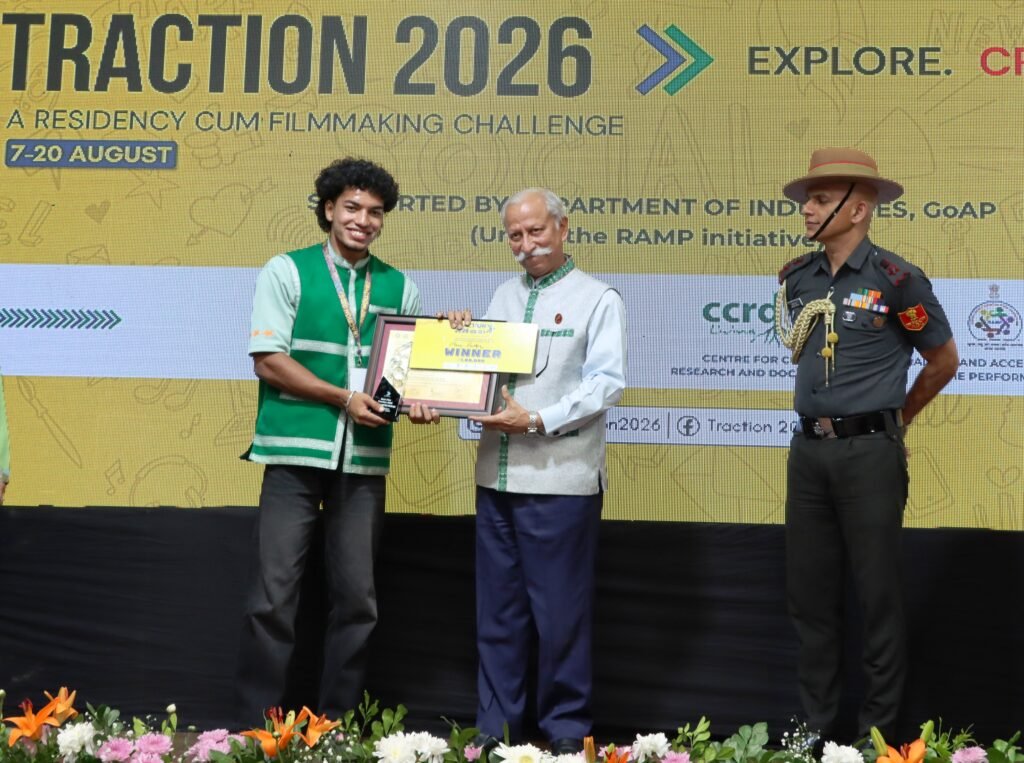
Guv urges content creators to tell Arunachal’s stories

RONO HILLS, AUG 20: Arunachal Pradesh Governor Lt Gen KT Parnaik (Retd) participated in the valedictory function of TRACTION 2026 – Residency and Film Challenge at Rajiv Gandhi University (RGU) here on Thursday and called upon young filmmakers, content creators and influencers to use their influence responsibly to promote social harmony, environmental awareness and constructive development. The Governor conferred awards on the two best filmmakers, Aron Pradhan of Meghalaya and Rinpi Das of Assam. Each award comprised a trophy, citation and cash prize of Rs 1 lakh. Addressing the participants, Parnaik said the theme of TRACTION 2026 aptly reflected the spirit of creativity, innovation and purposeful action. He urged young creators to go beyond merely observing the world and instead engage with it, interpret it meaningfully and contribute to positive transformation. “Your passion will drive you to open new horizons, inspiring innovation, creativity, and opportunities for growth and achievement,” he said. Highlighting the growing influence of digital content, the Governor said videos, documentaries and social media posts could reach millions within hours and have the power to educate, inspire and influence society. He said the true measure of success should not be views, likes or followers, but the positive impact created in society. He called upon participants to create content that promotes social harmony, environmental awareness, responsible citizenship and national development, while cautioning against sensationalism and short-lived popularity. He stressed the importance of fact verification, cultural sensitivity, informed consent and dignified representation, observing that “integrity and credibility are the true foundations of lasting impact and meaningful storytelling”. Highlighting Arunachal Pradesh’s immense potential for storytellers, Parnaik said its breathtaking landscapes, rich biodiversity and vibrant cultural heritage, encompassing more than 26 major tribes and over 100 sub-tribes, offered a wealth of stories for national and global audiences. He encouraged greater collaboration with RIWATCH, cultural organisations, researchers, local communities and knowledge keepers to authentically document indigenous traditions, community wisdom and the relationship between people and nature. He also called for greater focus on artisans, farmers, entrepreneurs, athletes, innovators and cultural custodians, as well as local products, traditional crafts, organic farming, eco-tourism and community-led conservation. The Governor congratulated the awardees and participants, saying completion of the residency marked not an end but the beginning of a larger journey. He expressed confidence that the participants would emerge as responsible storytellers capable of inspiring hope, strengthening understanding and contributing to constructive change. He appreciated the thematic sessions conducted during the residency on Arunachal’s culture and traditions, tourism content creation, travel filmmaking, research methodologies, media ethics, storytelling and the One District One Product (ODOP) initiative. He said such programmes were particularly relevant in the digital age, when visual storytelling has emerged as a powerful medium of communication. RGU Vice Chancellor Prof Shivaraj, Registrar Dr NT Rikam and Director of Industries Gyabo Perting also addressed the gathering. Course Director of TRACTION 2026 Moji Riba presented a report on the key activities and outcomes of the 15-day residency and film challenge, noting that the programme began with the premise that social media was not merely a medium for consumption and entertainment but also an emerging source of livelihood. Organised under the theme ‘Explore, Create, Move’ by the RGU Department of Mass Communication in collaboration with the Centre for Cultural Research and Documentation Naharlagun and the Department of Industries Government of Arunachal Pradesh, the programme brought together 25 participants from eight states of the Northeast, who produced 25 films. Papum Pare Superintendent of Police Taru Gusar, deans, heads of departments, institute directors and participants from across the eight northeastern states attended the valedictory function.    

Latest News, Popular News, State News

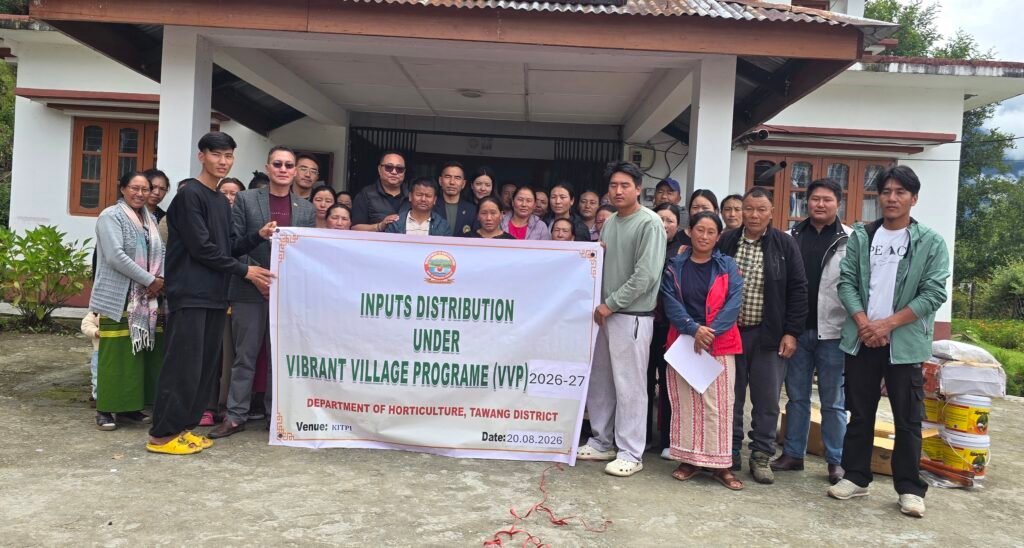
Farmers encouraged to adopt organic practices

KYIDPHEL, AUG 20: Horticultural inputs for hybrid vegetable cultivation were distributed to 25 farmers of Kyidphel Block under the Vibrant Villages Programme (VVP), as part of the Mission for Integrated Development of Horticulture (MIDH), here on Thursday. The beneficiaries received summer and winter vegetable seed kits, organic manure, organic plant protection chemicals, power knapsack sprayers and various agricultural tools and implements aimed at improving productivity and promoting sustainable farming practices. Tawang District Horticulture Officer Koncho Gyatso highlighted the long-term benefits of organic farming and encouraged farmers to adopt practices that maintain soil fertility, reduce dependence on chemical inputs and ensure safe and healthy food production. Kyidphel Assistant Commissioner Sange Norbu urged the beneficiaries to make optimum and responsible use of the inputs and adopt improved horticultural practices to enhance productivity and strengthen their livelihoods. Kyidphel ZPM Tenzin Monpa also called upon farmers to gradually reduce the use of chemical fertilisers and shift towards organic and environmentally sustainable cultivation. He said organic farming would help protect the health of farmers and consumers while preserving soil fertility and the natural environment. The initiative is part of the Horticulture Department’s efforts to promote sustainable horticulture, strengthen local vegetable production and support farming communities in border areas under the VVP. (DIPR)      

Latest News, Popular News, State News

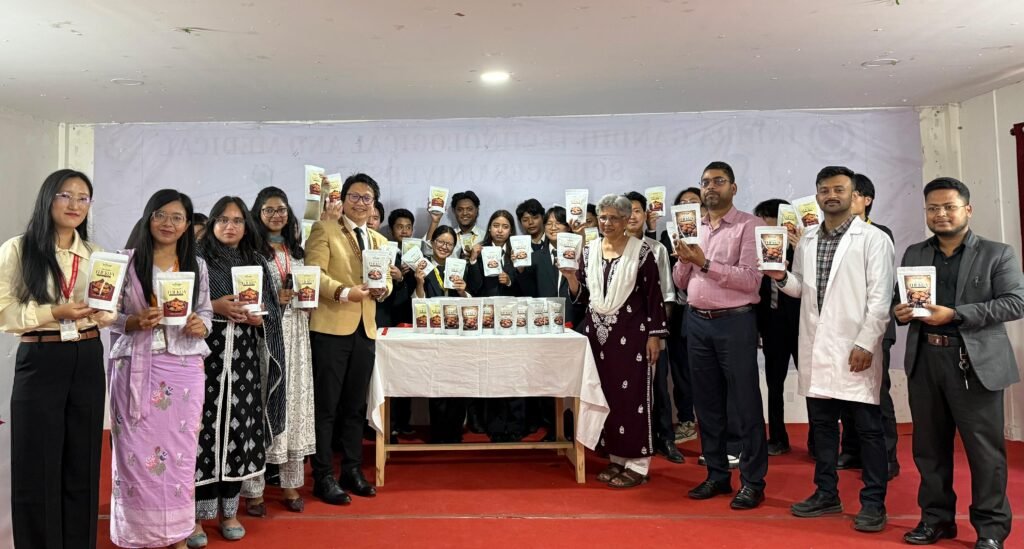
IGTAMSU student launches traditional Thekua nrand ‘Bihar Bites’ in Ziro

ZIRO, AUG 20: A homemade traditional Thekua brand, ‘Bihar Bites’, conceptualised and developed by Rohit Kumar Rajak, a third-year BBA student of the Department of Commerce and Management at IGTAMSU Ziro, was launched at a programme organised by the department on Thursday. The entrepreneurial venture originated at the IGTAMSU Youth Carnival 2026, organised in collaboration with the Department of Trade and Commerce Ziro in May, where Rohit’s business idea won the Business Idea Pitch Competition. The recognition provided him an opportunity to further develop and turn his concept into a marketable product. IGTAMSU Vice Chancellor Prof (Dr) K Satya Lakshmi attended the programme as chief guest, while Trade Development Officer for Lower Subansiri and Keyi Panyor districts Tai Arun was the guest of honour. IGTAMSU Registrar Dr Prashant Roy, Department of Commerce and Management Head Anwar Hussain, Ziro Press Club president Tailyang Pugang, faculty members and students were also present. The programme began with the ceremonial lighting of the lamp. In his welcome address, Dr Prashant Roy appreciated Rohit’s initiative and noted that Thekua, a traditional delicacy of Bihar associated largely with Chhath Puja and traditionally available only in limited regions, would now be available throughout the year in Ziro through the student’s venture. He advised Rohit to maintain consistent product quality, stressing that quality would be crucial to the brand’s marketability and sustainability. Rohit presented a PowerPoint presentation outlining the origin of the idea, challenges faced during product development and the process leading to its launch. He thanked IGTAMSU faculty members and Tai Arun for their guidance and support, particularly in completing licensing and other formalities for the venture. Addressing the gathering, Arun congratulated Rohit and the Department of Commerce and Management for encouraging student entrepreneurship. He highlighted Central and state government initiatives aimed at promoting ease of doing business, innovation and entrepreneurship, including Startup India, Invest India, the Arunachal Pradesh Innovation and Investment Park (APIIP) and the Arunachal Pradesh Entrepreneurship Development Programme (APEDP). He encouraged Rohit and his team to participate in the forthcoming APEDP and assured them of assistance and guidance. He also suggested that IGTAMSU collaborate with APIIP to establish an incubation centre and explore funding support for student entrepreneurs. He said he would write to the CEO of APIIP recommending IGTAMSU Ziro for such support. Prof (Dr) K Satya Lakshmi appreciated Rohit’s initiative and courage in transforming an idea into a marketable product. She said education and knowledge should ultimately contribute to making human life easier and better and encouraged more students to develop entrepreneurial skills. She also suggested exploring ways to combine the traditional flavours of Ziro Valley with Bihar Bites, enabling consumers from outside the region to experience the valley’s culinary heritage. Describing entrepreneurship and innovation as having a positive ripple effect, she said, “Such good initiatives are infectious, so let it infect all young minds around us.” Department Head Anwar Hussain lauded Rohit’s initiative and encouraged students to cultivate an innovative and entrepreneurial mindset. He said IGTAMSU students possessed talent, ideas and the courage needed to pursue such ventures and urged them to ask meaningful and innovative questions that could benefit society. As a gesture of encouragement, guests, faculty members and students purchased the newly launched Bihar Bites Thekua products. The launch marks an encouraging example of student-led entrepreneurship and traditional food innovation, demonstrating how academic institutions can help young people transform ideas into viable enterprises.    

Latest News, Popular News, State News

Senior judicial officers inspect court building construction at Darka

AALO, AUG 20: A team of senior judicial officers inspected the ongoing construction of the District and Sessions Court building, comprising two court halls, at Darka near Aalo on Thursday. Aalo District and Sessions Judge Jaweplu Chai, along with Aalo Chief Judicial Magistrate-cum-Civil Judge (Senior Division) Utumso Boo and Daporijo Chief Judicial Magistrate-cum-Civil Judge (Senior Division) Narang Laji, reviewed the progress and quality of the construction works. Junior Engineer Torik Ori briefed the visiting officers on the status of the ongoing works. CO Eken Bam and District Bar Association President Gorik Kamduk were also present during the inspection. The judicial officers stressed the need for timely completion of the project, quality workmanship and adherence to prescribed standards. They directed that the remaining works be taken up on priority and completed within the stipulated timeframe. (DIPR)    

Latest News, Popular News, State News

First inter-school Mishmi speech competition promotes language preservation

TEZU, AUG 6: The Lohit district administration organised the first Inter-School Mishmi (Kaman and Taroan) Speech Competition at Amik Ringya Hall here to promote and preserve the indigenous language, culture and traditions among the younger generation. The competition was held in two categories, with students in the Taroan category speaking on “Solid Waste Management” and those in the Kaman category addressing “Opium Cultivation and its Ill Effects”. Addressing the gathering, the Lohit Deputy Commissioner stressed the need to encourage children and youth to learn and use their mother tongue, noting that several indigenous languages of Arunachal Pradesh are facing the threat of decline. While acknowledging the importance of Hindi as a language of wider communication, he said indigenous languages remain closely linked to the identity, culture and traditions of local communities. He called upon Community-Based Organisations (CBOs), parents and other stakeholders to ensure that children use their native languages at home and in the community. He also said the District Administration would endeavour to make the competition a regular calendar event, providing students with a platform to learn, speak and take pride in their indigenous languages. Lohit ZPC Basanlu Dellang, who attended the programme as chief guest, commended the initiative and said the themes chosen for the competition addressed important social concerns. She highlighted the adverse social, health and developmental impact of opium cultivation and the need for responsible solid waste management. Dellang said such initiatives could promote indigenous languages while sensitising young people to pressing social issues. Sunpura ZPM Gulapso Bellai underscored the close relationship between language and community identity, saying the disappearance of a community’s language and traditions could gradually erode its identity. Tezu ZPM Baplalum Chiba urged people to use their local language in everyday life and appealed to CBOs, including CALSOM, to organise more programmes for the promotion of indigenous languages and traditions. CALSOM Chairman Sokhep Kri appreciated the district administration’s initiative and said the organisation had developed literature in local languages and undertaken various measures for the preservation of Mishmi language, culture and traditions. He informed that a Language Development Committee had also been constituted for the purpose. Kri suggested extending the initiative to Anjaw district to cover a wider section of Mishmi-speaking communities. He also proposed recording the speeches of winners, particularly those dealing with opium cultivation and solid waste management, and developing them into awareness videos to promote the Mishmi language while disseminating socially relevant messages. The competition brought together elected representatives, educators, parents, CBOs and students, highlighting the importance of collective efforts to preserve Mishmi language, culture and traditions for future generations. (DIPR)