

ONLINE AGE

(Online version of the Arunachal Age newspaper)

State News

Latest News, Popular News, State News

250 cadets participate in CATC-47

ITANAGAR : The 1 Arunachal Pradesh Battalion National Cadet Corps (NCC), under the aegis of NCC Group Headquarters Tezpur, has commenced the Combined Annual Training Camp (CATC-47) cum Inter-Battalion Selection Camp for the Cultural Team for the Pre-Republic Day Camp 2027 at Rajiv Gandhi Government Polytechnic College (RGGPC), Itanagar. The 10-day camp, being held from June 13 to 22, has brought together 250 NCC cadets from across the state. The camp is being conducted under the leadership of Commanding Officer 1 AP Battalion NCC and is supported by 11 military staff, two Associate NCC Officers (ANOs) and two Caretaker Training Officers (CTOs). The primary objective of the camp is to acquaint cadets with the challenges and discipline of camp life while instilling the core NCC values of unity, discipline, national integration and esprit de corps. The training programme has been designed to provide participants with a comprehensive exposure to basic military training and leadership development. The curriculum includes physical training, field craft and battle craft, small arms firing, musketry, yoga sessions and lectures by distinguished personalities. These activities are aimed at enhancing physical endurance, mental resilience, teamwork, leadership qualities and self-confidence among cadets. The camp is also serving as the Inter-Battalion Pre-Selection Camp for the NCC Cultural Troupe for the Pre-Republic Day Camp 2027. The selection process is intended to identify talented cadets who will represent the region at the national level, while showcasing the rich cultural heritage and artistic traditions of Northeast India. In addition, cadets are undergoing training under the Yuva Aapda Mitra (YAM) Scheme, an initiative of the National Disaster Management Authority (NDMA). The programme equips volunteers with essential disaster response and emergency management skills. As part of the training, cadets are receiving practical instruction on relief, rescue and response mechanisms for disasters such as floods, cloudbursts and earthquakes. The sessions are being conducted by qualified instructors from the State Disaster Management Authority (SDMA), Arunachal Pradesh. The organisers said the camp reflects the NCC’s continued commitment to promoting discipline, fitness, leadership, healthy competition and social responsibility among youth, thereby contributing to the development of a capable and resilient society.
Latest News, Popular News, State News

PPA opposes APFRA implementation, seeks special assembly session

ITANAGAR : The People’s Party of Arunachal (PPA) has strongly opposed the implementation of the Arunachal Pradesh Freedom of Religion Act (APRA), demanding that the state government immediately convene a special assembly session to discuss its relevance. PPA president Nabam Vivek on Saturday disclosed that the party passed a formal resolution against the law during its state executive meeting on June 11, which was attended by state office bearers and heads of various frontal wings. A high-powered committee headed by retired justice BP Katakey submitted the draft rules to the state government on June 8, nearly 48 years after the legislation was enacted. The Act, passed in 1978, prohibits religious conversion through force, fraud, or inducement, but remained unimplemented due to the absence of operational rules. Vivek questioned the government’s intent behind collecting religious demographic data under the draft rules of the act. “What will the government do with data regarding a citizen’s religion? Whether an individual chooses to practice Sikhism, Buddhism, Christianity, or Hinduism, keeping a record of this information serves no governance purpose,” Vivek said. The act aims to regulate religious conversions. However, the PPA chief argued that the law has lost all relevance in 2026 and warned that its enforcement could severely disrupt the long-standing communal harmony, tribal identity, and peace in the state. “This law will not save tribal identity, nor will it successfully stop anyone from choosing their faith. Instead, enforcing it creates a high risk of communal disharmony, leading to potential conflicts within families and tribes on religious lines,” he said. Highlighting Arunachal Pradesh’s historic reputation as a peaceful state, Vivek drew a contrast with the rest of the Northeast region, noting that while other states historically battled terrorism, Arunachal Pradesh remained largely peaceful. “Arunachal has always been a peace-loving state, and we intend to keep it that way. The PPA opposes this act from the bottom of our hearts and will challenge it through every democratic and legislative process available,” Vivek added, while urging the state government to halt the implementation of the act in the wider public interest. Meanwhile, the Human Rights of Arunachal (HRA) has urged the state government and the ruling Bharatiya Janata Party (BJP) to reconsider and reject the recommendations of the High-Power Committee concerning the implementation of the APFRA, 1978. In a memorandum submitted to Chief Minister Pema Khandu on Sunday, HRA expressed deep concern about the potential fallout if the Act is enforced and explicitly urged the state government not to implement APFRA in Arunachal Pradesh. Highlighting the state’s long-standing tradition of peaceful coexistence among various faiths and communities, the rights body cautioned that enforcing the decades-old Act could severely disrupt the prevailing peace, brotherhood, and communal harmony. It further contended that the implementation of APFRA yields limited public or administrative benefit. “In our view, the implementation of APFRA is unlikely to bring any significant benefit either to the people of Arunachal Pradesh or to the state government. Instead, it may create misunderstanding and division among communities,” it said in the memorandum. Critiquing the High-Power Committee’s recent findings, the organisation claimed that the recommendations fail to adequately represent the true aspirations and concerns of a vast section of the state’s population, warning of unintended consequences for Arunachal’s social fabric. (Source: PTI)

Latest News, Popular News, State News

Arunachal achieves milestone of 20 GI-registered products

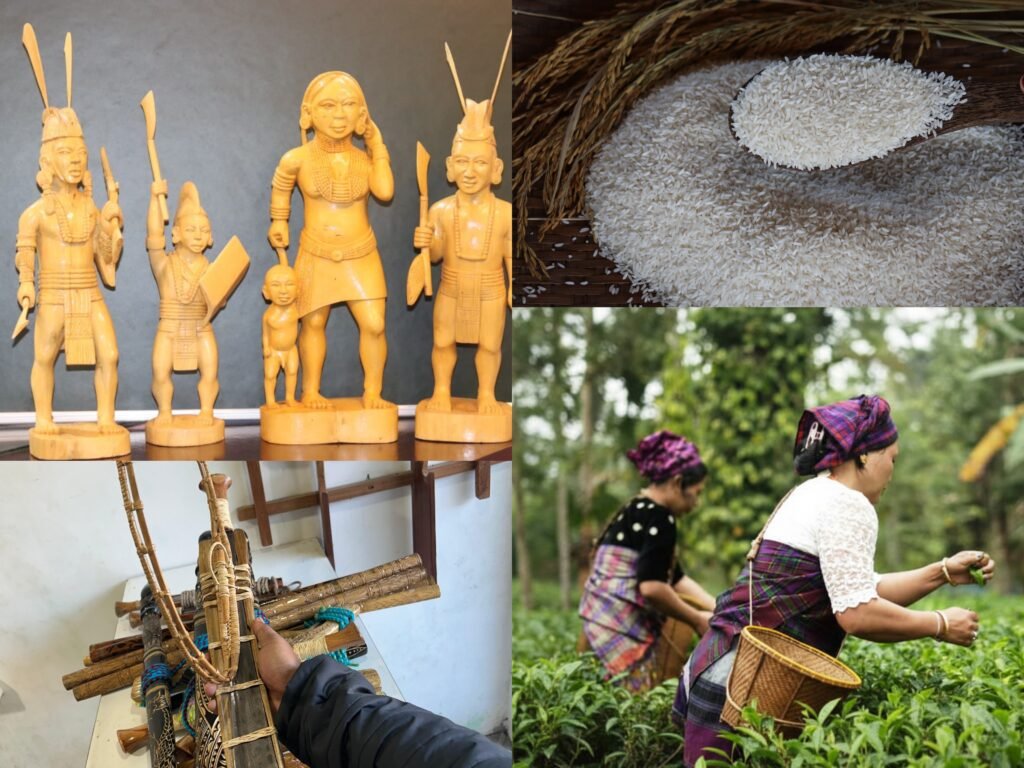
ITANAGAR : Arunachal Pradesh has achieved a significant milestone in preserving and promoting its cultural heritage, traditional knowledge, indigenous crafts and unique agricultural products through Geographical Indication (GI) registration. The State now has 20 registered GI products, reflecting the diversity and distinctiveness of its tribal communities and traditional practices. The journey began in 2014-15 with the registration of Arunachal Orange and Idu Mishmi Textile, the State’s first two GI-tagged products. Recognising the potential of indigenous products, the National Bank for Agriculture and Rural Development (NABARD) subsequently supported the registration of several traditional agricultural products, handloom items, handicrafts, foods and beverages from different tribes and regions of the State. With NABARD’s support, 18 additional products secured GI registration from 2020-21 onwards. These include Khamti Rice, Yak Churpi, Tangsa Textile, Handmade Carpet, Wangcho Wooden Craft, Adi Kekir (Ginger), Apatani Textile, Monpa Textile, Nyishi Textile, Monpa Handmade Paper, Adi Textile, Singpho Tea, Galo Textile, Adi Apong, Dao (Traditional Sword), Angnyat Millet, Marua Apo and Tai Khamti Textile. A Geographical Indication tag is an intellectual property right that identifies a product as originating from a specific geographical region and possessing qualities, reputation or characteristics unique to that area. GI registration helps protect traditional knowledge, prevent misuse of product names, enhance product credibility and create opportunities for better market access and premium pricing. For a culturally rich and diverse State like Arunachal Pradesh, GI registration serves as an important tool for safeguarding tribal heritage, preserving traditional skills and promoting indigenous products in national and international markets. It also contributes to livelihood enhancement, entrepreneurship development, tourism promotion and sustainable rural development. NABARD’s support extends beyond the registration process. The institution is facilitating post-GI interventions such as registration of authorised users, capacity building of producers and artisans, branding, packaging, quality standardisation and market linkage initiatives. The objective is to ensure that GI recognition translates into enhanced market opportunities, higher incomes and sustainable livelihood benefits for local communities. Several other unique products from different districts of Arunachal Pradesh are currently in the pipeline for GI registration. The achievement of 20 GI registrations marks a major step towards preserving the state’s rich cultural legacy while creating sustainable economic opportunities for farmers, artisans, weavers and tribal communities.      

Latest News, Popular News, State News

CRO seeks central intervention over frontier highway tendering concerns

Staff Reporter ITANAGAR : The Consumer Rights Organisation (CRO), Arunachal Pradesh, has submitted a memorandum to the Union Ministry of Road Transport and Highways (MoRTH), raising concerns over the implementation of the Lada-Sarli section of National Highway-913, popularly known as the Frontier Highway Project. Addressing a press conference at the Arunachal Press Club here on Sunday, CRO State President Achu Bagang said the organisation fully supports the Government of India’s vision of strengthening connectivity and infrastructure in border areas and acknowledged the strategic importance of the Frontier Highway Project for socio-economic development, national security, tourism, employment generation and infrastructure growth in frontier regions. However, Bagang alleged that issues relating to transparency, public participation and administrative accountability have surfaced during the execution of the project. He claimed that adequate public consultation and consensus-building had not been ensured and alleged that public grievances were not being effectively addressed, leading to growing dissatisfaction among local communities. According to Bagang, the absence of transparent institutional dialogue and accountability mechanisms has contributed to public unrest in areas along the proposed highway corridor, particularly in the Lada-Sarli sector and adjoining regions. A key concern highlighted in the memorandum relates to the ongoing tendering process. Bagang claimed that some contractors had reportedly submitted bids ranging between 35 and 49 per cent below the estimated project cost. Referring to established engineering practices and Central Public Works Department norms, he said abnormally low bids could raise concerns regarding execution quality, contractor capability, financial viability and long-term accountability. He further alleged that such bidding practices may compromise the durability, safety standards and sustainability of the strategically significant highway project. The lack of public clarification from the concerned authorities, he said, has fuelled suspicions of irregularities and possible corruption. The organisation has sought urgent intervention from the Centre and urged the Ministry to establish transparent communication mechanisms involving local communities and stakeholders, conduct an independent inquiry into the alleged irregularities, review the feasibility of unusually low bids and strengthen monitoring and accountability measures. The CRO also called for stakeholder consultations involving local representatives, affected citizens, civil society organisations and government agencies to restore public confidence and ensure smooth implementation of the project. In its memorandum, the organisation reiterated its support for national development and strategic infrastructure expansion while emphasising the need to safeguard the rights, interests and aspirations of communities affected by the project. Copies of the memorandum were submitted to the Union Minister for Parliamentary Affairs and Minority Affairs, Chief Minister Pema Khandu, the Chief Secretary, the Public Works Department Commissioner, the Regional Officer of MoRTH, concerned Deputy Commissioners and other relevant authorities, Bagang informed.      

Latest News, Popular News, State News

Mebo, Temi-Namphing sign sister constituency pact to promote tourism

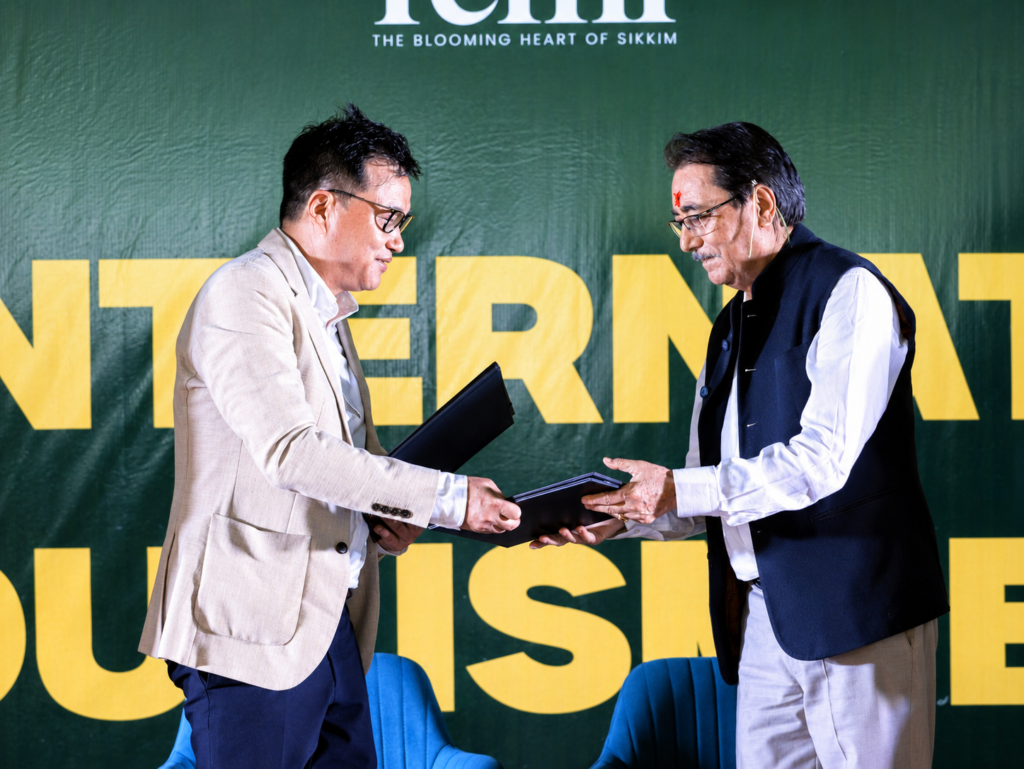
TEMI :  In a bid to strengthen inter-state cooperation and promote sustainable tourism, the Temi-Namphing Assembly Constituency of Sikkim and the Mebo Assembly Constituency of Arunachal Pradesh have signed a Memorandum of Understanding (MoU) to establish themselves as Sister Constituencies for a period of three years. The agreement was signed by Temi-Namphing MLA Bedu Singh Panth and Mebo MLA Oken Tayeng on the sidelines of the 1st International Agro-Tourism Festival 2026 held at Temi in South Sikkim. The partnership aims to foster quality tourism, cultural exchange, knowledge sharing and sustainable tourism practices between the two regions while creating opportunities for economic growth and stronger people-to-people ties. Tayeng, who attended the festival along with a delegation from the 39-Mebo Assembly Constituency, described the agreement as a significant step towards enhancing cooperation between the two northeastern states. He said the partnership would pave the way for greater collaboration in tourism development, cultural promotion and community-driven initiatives, while enabling both regions to showcase their unique heritage, natural landscapes and traditional knowledge systems. The Arunachal legislator also lauded Sikkim’s tourism model, saying the state had set an example in balancing development with environmental conservation through responsible tourism practices. There was much to learn from Sikkim’s experience in eco-tourism, community participation and destination management, he said. Tayeng further said stronger cooperation between hill and border regions could help develop integrated tourism circuits, improve visitor experiences and generate livelihood opportunities for local youth. The International Agro-Tourism Festival was inaugurated by Sikkim Legislative Assembly Deputy Speaker Raj Kumari Thapa and attended by Gelephu Mindfulness City Mayor Tshering Norbu from Bhutan and Jhapa Mayor Manoj Parchai from Nepal. Organisers said the Sister Constituency initiative would facilitate the exchange of best practices in tourism development, agro-tourism, cultural promotion and community-based enterprises, further strengthening ties between Sikkim and Arunachal Pradesh.      

Latest News, National, Popular News, State News

LGBTQ+ youth complete culinary entrepreneurship training at IHM Kolkata

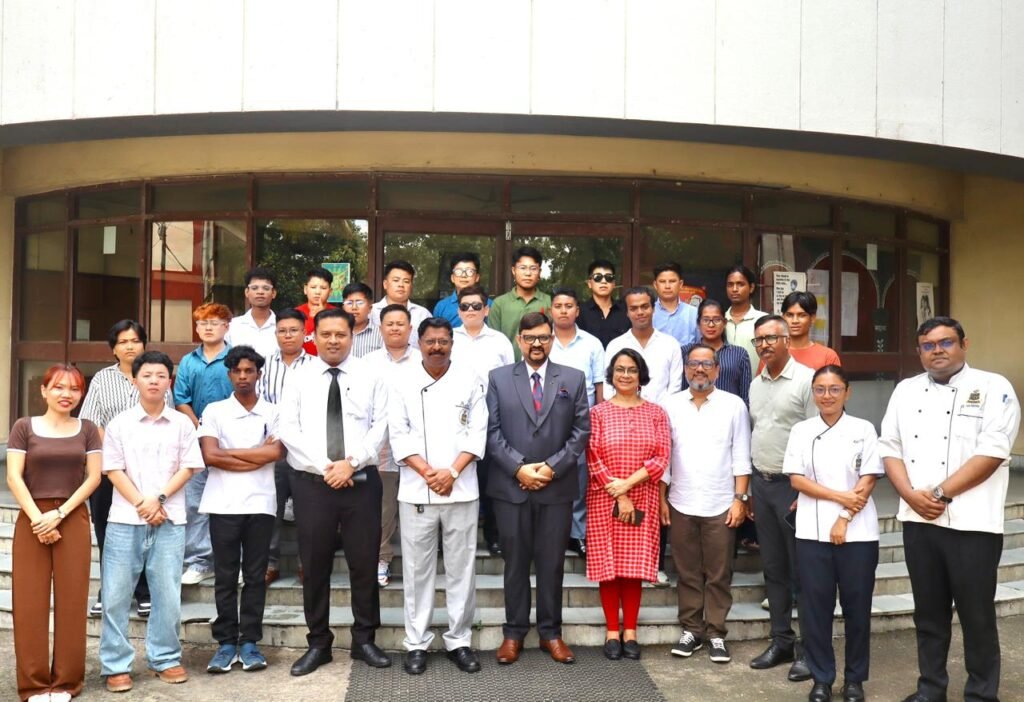
KOLKATA : Twenty-one LGBTQ+ youth from Arunachal Pradesh, Assam, Manipur and West Bengal successfully completed a five-day intensive training programme on food production and bakery at the Institute of Hotel Management (IHM) Taratala Kolkata. Organised jointly by IHM Kolkata under the Ministry of Tourism and Kolkata-based non-profit organisation Bridge India, the programme was held from June 8 to 12 with the objective of enhancing livelihood opportunities and entrepreneurial skills among LGBTQ+ food business micro-entrepreneurs. The participants, comprising both aspiring and existing entrepreneurs, received hands-on training in food production and bakery, along with sessions on food hygiene and safety, food standards, kitchen management, food ethics and entrepreneurship. The programme also included an exposure visit to ITC Royal Bengal Kolkata and a session on entrepreneurial awareness and business idea validation conducted by experts from Tata Strive. The initiative provided participants from eastern and northeastern India, including several from remote regions, an opportunity to acquire industry-relevant skills, refine business ideas and build professional networks to support their future careers and entrepreneurial ventures. Four members of AP QueerStation from Arunachal Pradesh, representing Kra Daadi, Papum Pare and East Kameng districts, participated in the training. The organisation expressed gratitude to Bridge India and IHM Kolkata for facilitating the programme and hoped that more LGBTQIA+ individuals from the state would benefit from similar initiatives in the future. All participants were awarded certificates during the valedictory function on June 12. Among those present were IHM Kolkata Principal Raja Sadhukhan, Ministry of Tourism Regional Director (East) Pranav Prakash, The Lalit Great Eastern Kolkata Rooms Division Manager Riaz Rizvi, Bridge India Founder Director Prithviraj Nath, Rainbow Room Kolkata Co-Founder Mahua Seth and Supreme Tours and Travels Founder Koushik Banerjee, along with faculty members and officials of IHM Kolkata. Speaking on the occasion, IHM Kolkata Principal Raja Sadhukhan said the institute remains committed to creating opportunities for the LGBTQ+ community through skill development, employment and entrepreneurship initiatives. He expressed hope that participants would carry their learning back to their communities and inspire others. Bridge India Founder Director Prithviraj Nath said the programme had enabled marginalised LGBTQ+ youth from remote parts of eastern and northeastern India to strengthen their skills and pursue dignified livelihood opportunities. He also expressed gratitude to IHM Kolkata for supporting the initiative. Rainbow Room Kolkata Co-Founder Mahua Seth described the collaboration as an encouraging example of how institutions can work together to create meaningful opportunities and contribute towards a more inclusive and equitable future for marginalised communities.  

Latest News, Popular News, State News

Indian Army, Airtel join hands to bring mobile connectivity to remote Kameng areas

ITANAGAR : In a significant step towards nation-building through military-civil integration, the Indian Army and Bharti Airtel Pvt Ltd have signed a memorandum of understanding (MoU) to expand communication infrastructure and establish mobile connectivity in remote areas of Kameng district in Arunachal Pradesh, a Defence source said today. The initiative aims to provide reliable mobile connectivity to communities that have remained disconnected for more than a decade, addressing a critical developmental need in one of the country’s strategically important frontier regions. By bridging the digital divide, the project is expected to enhance access to government services, digital education, healthcare, financial inclusion and communication facilities, thereby improving the quality of life of local residents. Officials said enhanced connectivity would also promote tourism and create fresh opportunities for economic growth and socio-economic development across the region. Improved communication infrastructure is expected to strengthen the integration of remote border communities with the national mainstream, supporting the government’s vision of inclusive development. From a strategic perspective, the upgraded network infrastructure will support the operational effectiveness of Indian Army personnel deployed in forward areas by enabling improved communication capabilities and strengthening logistical coordination. The initiative highlights the growing synergy between civil and military stakeholders in advancing both developmental and strategic objectives in border regions. The partnership underscores a shared commitment to strengthening frontier areas through sustainable infrastructure development and aligns with the national vision of Viksit Bharat @ 2047. (Source: UNI)    

Latest News, Popular News, State News

World Blood Donor Day observed with donation drives, awareness campaigns

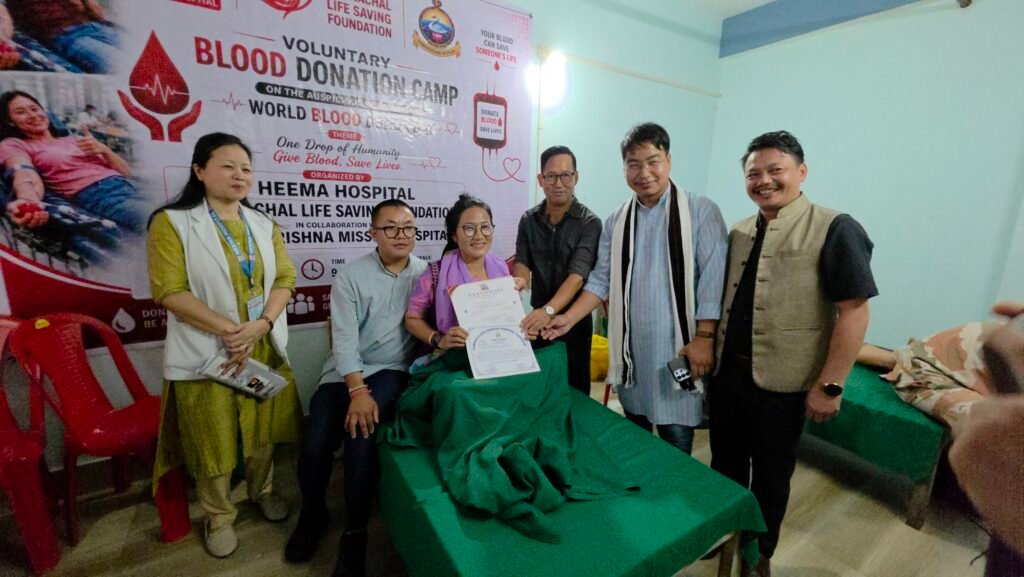
ZIRO : World Blood Donor Day was observed across Arunachal Pradesh on Sunday with voluntary blood donation camps, awareness programmes and felicitation ceremonies aimed at promoting regular blood donation and strengthening emergency blood reserves. In Itanagar, Heema Hospital organised a mega voluntary blood donation camp in collaboration with the Arunachal Life Saving Foundation (ALSF) and the Blood Bank of Ramakrishna Mission Hospital. Attending the programme as chief guest, Itanagar Municipal Corporation (IMC) Mayor Likha Nari Tadar said blood donation remains one of the most effective ways to save lives during medical emergencies. Emphasising the importance of voluntary donation, she noted that blood cannot be manufactured despite advances in medical technology and appealed to citizens to come forward and donate regularly. Heema Hospital Medical Superintendent Dr Kesang W Thongdok said the state requires around 15,000 units of blood annually, while only about 13,000 units are currently collected, leaving a significant gap between demand and supply. He stressed the need for more intensive blood donation drives to bridge the shortfall. Arunachal Life Saving Foundation Chairman Ramesh Jeke highlighted the organisation’s efforts in creating awareness and organising blood donation camps across the state. A total of 55 units of blood were collected during the camp and transferred to the Ramakrishna Mission Hospital Blood Bank. Mayor Likha Nari Tadar also donated blood during the programme. The event was attended by Heema Hospital Chairman and Managing Director Dr Byabang Rana, Rajiv Gandhi University Department of Social Work Head Prof K P Singh, Bharatiya Janata Yuva Morcha State President Tame Siang Tarh and others. Personnel from the National Disaster Response Force, Central Reserve Police Force, Bharatiya Janata Yuva Morcha members, students of Dera Natung Government College and staff of Heema Hospital and Ramakrishna Mission Hospital participated in the camp. Meanwhile, in Ziro, the Blood Centre of Gyati Takka Zonal General Hospital, in collaboration with CRC Hapoli Youth (26th Youth Foundation), organised a voluntary blood donation camp and felicitation programme under the theme “One Drop of Humanity, Give Blood, Save Life”. The initiative resulted in the collection of 15 units of blood, including three units of A-positive, two units of B-positive, nine units of O-positive and one unit of AB-positive blood, providing a valuable boost to the hospital’s emergency reserves. 756 Border Roads Task Force (General Reserve Engineer Force) Project Arunank Captain Chirag Singhal attended the programme as chief guest and underscored the importance of community participation in strengthening healthcare services, particularly in remote areas. A felicitation ceremony was also held to recognise individuals and organisations for their contributions to blood donation awareness, donor mobilisation and emergency blood support. Among those honoured were 756 Border Roads Task Force Project Arunank Captain Chirag Singhal, Indo-Tibetan Border Police 60th Battalion Second-in-Command Ajit Kumar Pegu, Arunachal Baptist Association Executive Secretary Dani Tadu, Hapoli Youth Organisation General Secretary and Ziro Residents’ East Vice Chief Hage Duyu, CRC Hapoli General Secretary Jiren Teron, St Claret College Ziro National Service Scheme Programme Officers Tage Tagyung and Nending Sumpi, District Health Youth Association President Hage Chobing, Joram Tado, Topi Sora, Hano Usha, Tumter Riba, Pebi Gamlin and Perpum Gamlin. Special recognition was accorded to Pyagang Tapu for his consistent support during emergencies requiring rare Rh-negative blood donations. The organisers and hospital authorities expressed gratitude to all donors, volunteers and partner organisations for their support and reiterated the importance of regular blood donation in ensuring timely access to safe blood for patients in need.

Latest News, Popular News, REGIONAL, State News

Modi transformed NE from ‘no-hope’ zone to attractive destination: Sonowal

AGARTALA : Union Minister Sarbananda Sonowal on Sunday said Prime Minister Narendra Modi has transformed the Northeast from a “no-hope” zone to an attractive destination in the past 12 years. Addressing the ‘Jan Kalyan Shivir’ to mark PM Modi’s 12 years in office at Rabindra Bhavan, the Union minister for Ports, Shipping and Waterways said the northeast was known for violence, kidnapping, blockade and shooting before Narendra Modi became the Prime Minister. “A sense of security was missing before 2014, and the Northeast was infamously tagged as a disturbed area. Now, the region is witnessing a sea change in all-round growth with peace returning. At least 10,000 armed insurgents have shunned the path of violence to usher in peace,” he said. Asserting that PM Modi has transformed the northeast from a “no-hope zone to an attractive destination”, he said peace has paved the way for faster development in the region to meet the people’s aspirations. “Under PM Modi, development works—whether infrastructure, railway connectivity or communication—are proceeding at the highest ever speed. Modiji has made it mandatory for his cabinet colleagues to regularly visit the northeast to expedite development,” he said. Sonowal also claimed that PM Modi removed the distance between Delhi and the northeast by boosting connectivity and communication. He said Modi ji is the only Prime Minister since independence who pushed for financial inclusion drive across the nation, resulting in the opening of 61 crore bank accounts. “Due to the success of the financial inclusion drive, Direct Benefit Transfer (DBT) is possible to transfer money to the accounts of crores of beneficiaries. This ensures transparency and accountability of the Modi government,” he said. “Tripura has been receiving the benefit of the double-engine government during the past 8 years. The connectivity – be it railway or airway, the state witnessed a massive change. The state is now well connected with first-class train service and air service, accelerating the development process,” he stated. (Source: PTI)      

Latest News, Popular News, REGIONAL, State News

21 infiltrators prevented from entering India: Assam CM

GUWAHATI : Assam Chief Minister Himanta Biswa Sarma on Sunday said 21 illegal immigrants were prevented from entering India by the state police and the BSF. “In an excellent joint effort by @assampolice and @BSF_India, 21 infiltrators were swiftly identified and prevented from entering into India,” Sarma said in a post on X. He, however, did not share details about the operation. “Safeguarding borders, strengthening security… Our multi-pronged approach of safeguarding our border continues,” Sarma said. Assam’s Sribhumi, Cachar, Dhubri and South Salmara-Mankachar districts share 267.5 km of international border with Bangladesh. (Source: PTI)