


ONLINE AGE

(Online version of the Arunachal Age newspaper)

Author name: OnlineAge

Latest News, Popular News, State News

380 benefit from SAD camp

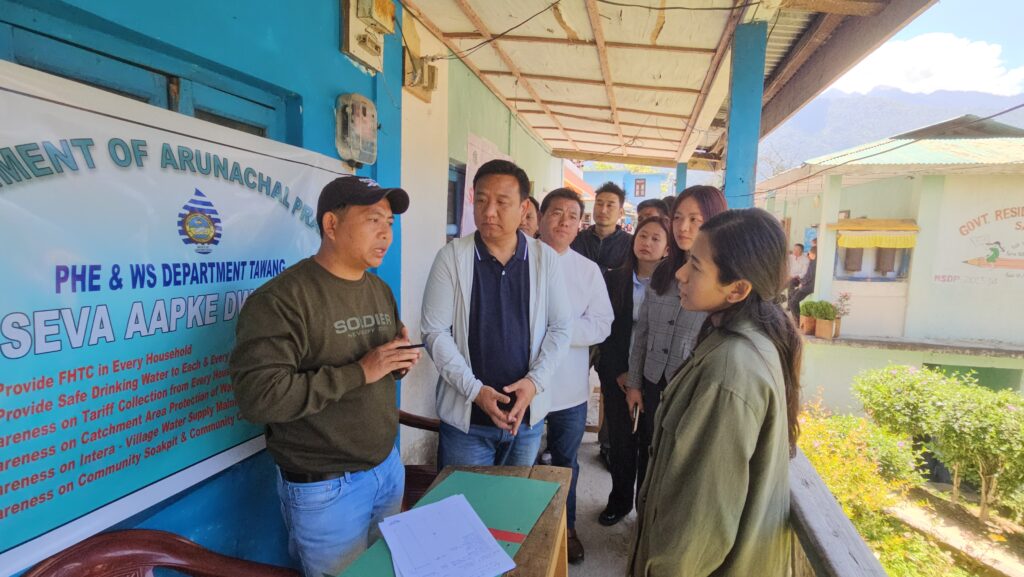
  SAZO : An outreach camp under Seva Aapke Dwar (SAD) 2.0 was organised by the Tawang district administration on Tuesday at Netaji Subash Chandra Bose Awasiya Vidyalaya (NSCBAV), Sazo under Lungla circle, benefiting 380 villagers from Sazo, Poito, Dugumba, Kungba and adjoining areas. Tawang Deputy Commissioner Namgyal Angmo inaugurated the camp in the presence of Lungla Additional Deputy Commissioner Tashi Dhondup, Circle Officers Tsetan Droma and Phomai Wangshu, along with heads of departments from Tawang and Lungla. As many as 20 government departments participated in the camp, delivering a range of citizen services including Aadhaar enrolment, Jan Sunvai, awareness on welfare schemes, free health check-ups, veterinary services, and registration under Ayushman Bharat–Pradhan Mantri Jan Arogya Yojana (AB-PMJAY) and e-Shram. The Horticulture Department distributed budded orange saplings, while the Textile and Handicrafts Department showcased and facilitated sale of local handicraft products to promote traditional skills and livelihood opportunities. During the Jan Sunvai session, the deputy commissioner heard grievances of villagers and issued on-the-spot directions to concerned officials for necessary follow-up and resolution. Addressing the gathering, DC Angmo said the Seva Aapke Dwar initiative is aimed at bringing government services directly to rural citizens and ensuring easy access to welfare schemes in remote areas. She urged villagers to make full use of such programmes and interact freely with officials regarding developmental needs. She also appreciated the school authorities and staff of NSCBAV Sazo for hosting the programme and commended the efforts of all participating departments for the successful conduct of the camp. Earlier, NSCBAV Sazo School Management Committee chairperson Sonam Topgyal expressed gratitude to Arunachal Pradesh Chief Minister Pema Khandu and the state government for launching the initiative, stating that it has significantly improved access to public services in remote villages. He also sought a dedicated playground and separate hostel facilities for boys and girls for the school. Headmaster In-Charge Sang Dorjee highlighted the importance of education and urged parents to cooperate with the school administration in ensuring quality learning outcomes. Later in the day, the deputy commissioner inspected infrastructure and hostel facilities at NSCBAV Sazo, the under-construction academic building of Upper Primary School Hoongla, and also reviewed ongoing works at Government Secondary School Jemeithang, including the Artificial Intelligence and Robotics Laboratory. (DIPR)
REGIONAL

NE artisans are shining example of nation’s living heritage: President Murmu

NEW DELHI : President Droupadi Murmu on Tuesday said the artisans from North-East India are a shining example of the country’s living heritage and urged them to pass on these invaluable traditions to the younger generation. The president was interacting with a group of artisans and weavers from the North Eastern states, who had called on her, at the Rashtrapati Bhavan here. The artisans and weavers were those who helped in crafting the invitation kit and showcasing the diverse artistic and cultural heritage of the North Eastern region of India during the ‘At Home’ reception held on January 26, a statement issued by the President’s office said. For example, artisans from Nagaland made baskets by using banana fibre and bamboo, weavers from Assam made stoles, artisans from Manipur made black pottery, and artisans from Sikkim made products by using natural fibre, it said. During the interaction, artisans and weavers shared their experience of working for the ‘At Home’ Reception at Rashtrapati Bhavan and expressed gratitude for providing them a platform to showcase their talents. President Murmu said that they are the shining example of the living heritage of the nation and urged them to pass on these invaluable traditions to the younger generation. In her interaction with the artisans and weavers from Assam, Nagaland, Mizoram, Manipur, Tripura, Meghalaya, Arunachal Pradesh and Sikkim, Murmu said that the North-East has an abundance of natural beauty. She emphasised the need to provide support for artisans and weavers so that their artistic knowledge reaches as many people as possible and they can become self-reliant. The president commended the artisans and weavers for preserving and protecting the cultural heritage. After the meeting, the artisans and weavers took a guided tour of Rashtrapati Bhavan, including Amrit Udyan. (Source: PTI)      

REGIONAL

Nagaland consultative meet stresses balancing child protection laws with Naga customary systems

KOHIMA : Nagaland Social Welfare Secretary Liawabang Jamir on Tuesday stressed the need to implement the Juvenile Justice (Care and Protection of Children) Act and Adoption Regulations in a manner that is “legally airtight, yet distinctively Naga”, while respecting the state’s customary laws and traditional systems of care. He was speaking at the State Consultative Meet on the Juvenile Justice (Care and Protection of Children) Act, 2015, Juvenile Justice Model Rules, 2016, and Adoption Regulations, 2022 organised by Mission Vatsalya under the Department of Social Welfare in Kohima. The programme was attended by Child Welfare Committees (CWCs), Juvenile Justice Boards (JJBs), Child Care Institutions run by government and NGOs, police, media, district administrations, Health and Family Welfare officials, and the Nagaland State Commission for Protection of Child Rights. In his address, Jamir said that while the Juvenile Justice Act and Adoption Regulations constitute a progressive legal framework, their success depends on how effectively they adapt to Nagaland’s realities, including customary laws, community governance, and geographical challenges. He pointed out that the formal legal framework assumed seamless digital connectivity, standardised police systems, and institutional care structures, whereas Nagaland’s realities included customary adoption practices rooted in clan and village traditions, along with deep digital divides in remote districts. “What makes Nagaland unique within the Indian Union is the constitutional recognition granted under Article 371A, which safeguards Naga customary laws, social practices, and traditional institutions,” he said. Jamir said Nagaland’s traditional support systems through families, clans, village councils, churches, and tribal institutions had protected vulnerable children for generations and remained one of the strongest pillars of Naga society. However, he cautioned that customary adoptions carried out informally often left children legally vulnerable in matters relating to identity, inheritance, education, welfare entitlements, and long-term security. “Our task is not to dilute the law, nor to disregard our customs, but to implement these provisions in a manner that is practical, culturally sensitive, and responsive to the realities of Nagaland,” he said. Calling for stronger interdepartmental coordination, he urged the Social Welfare Department, judiciary, police, medical fraternity, district administrations, and traditional tribal institutions to work together rather than in silos. Jamir also urged stakeholders to provide “structural, localised and actionable suggestions” to bridge the gap between statutory mandates and ground realities. Quoting officials of the State Adoption Resource Agency (SARA), he said, “Adoption is an act of love, but the process must come from law.” Director of Social Welfare Tosheli Zhimomi said the consultation aimed to strengthen child protection systems and improve coordination among departments and stakeholders. Senior Consultant, Ministry of Women and Child Development, Government of India, Junaid Ul Islam said that Nagaland was the first state to begin consultations on proposed amendments to the Juvenile Justice Act and related rules and regulations. He said the Centre was seeking suggestions from states for reforms to the Juvenile Justice Act, Model Rules, and Adoption Regulations to make the system more effective and responsive. (Source: PTI)    

REGIONAL

CDSL IPF Trust to launch investor awareness campaign in NE towns

GUWAHATI : An investor awareness campaign across 84 towns in the North East, aimed at addressing the region’s low participation in the securities market through focused financial education, is being launched by the CDSL Investor Protection Fund (IPF) Trust, a statement said here on Tuesday. The move would enable individuals to participate in the securities market in a safe and informed manner. The campaign will be held in seven states — Assam, Meghalaya, Nagaland, Mizoram, Arunachal Pradesh, Tripura and Sikkim. The initiative of the CDSL IPF Trust is designed to bridge the awareness gap by taking essential investment knowledge directly to communities in local languages and through formats that are simple, accessible and relevant, the statement said. The CDSL IPF Trust is an independent trust established by the Central Depository Services (India) Ltd (CDSL) to compensate investors for financial losses arising from fraud, negligence or unauthorised transfers by a Depository Participant, and to fund investor education. The campaign will deploy mobile awareness vans starting from Guwahati, equipped with LED screens, multilingual audio-visual content, and interactive sessions on investor rights, safe investing practices, and demat accounts. To deepen engagement, the outreach will also include street plays, mobile theatre integrations and youth-focused engagement formats, using familiar community platforms to simplify financial concepts and encourage informed decision-making, the statement said. Speaking on the initiative, Nayana Ovalekar, chief regulatory officer, CDSL, said, “We see the North East as a priority region where stronger investor awareness can help safeguard individuals and support informed participation. While access to financial services has improved, understanding of market-linked investments remains limited.” “Through this campaign, we are taking investor education directly to communities in formats and languages that are relatable and easy to understand. Our focus is simple – equip individuals with the knowledge to invest safely and confidently,” Ovalekar added. Despite progress in financial inclusion, participation in the securities market across North East remains low, the statement said. As per the SEBI Kantar Report, Sikkim records the highest household penetration in the region at 10.1 per cent, followed by Arunachal Pradesh at 7.9 per cent, and Assam at 6.5 per cent, while states such as Meghalaya (4.2 per cent) and Nagaland (3.4 per cent) lag further behind. In comparison, the national average household penetration stands at 9.5 per cent, highlighting a clear gap in investor awareness and participation across the region. Through this campaign, CDSL IPF aims to bridge this gap by delivering consistent, accessible and practical investor education, enabling more individuals to participate in India’s financial markets with confidence, the statement said. (Source: PTI)              

Editorial

Trump in Beijing: A pragmatic pause

The visit of US President Donald Trump to China was closely watched by the world. The three-day visit during which Trump met Xi Jinping was laden with symbolism and expectations but ended with piecemeal declarations and no breakthroughs in bilateral relations or convergence on the major geopolitical issues confronting the world. The Trump visit at least reassured the world that the dialogue was still possible and that both nations had shown diplomatic courtesy to hear each other’s viewpoint. In recent times, the US-China relations have deteriorated sharply over trade disputes, Taiwan, and competing geopolitical ambitions. The Trump-Xi meeting was less about dramatic breakthroughs and more about restoring the diplomatic channels open at the highest level, should a need arise. The immediate outcome of the summit was the strengthening of the fragile trade truce reached earlier. The agreement to maintain lower tariffs and continue easing restrictions on critical sectors such as rare earth exports suggests that both sides are interdependent. Yet another major takeaway from the meeting was Trump’s invitation to Xi for another summit in the United States later this year, which indicates that both countries value continuous dialogue. This is a good sign, as the flash points in the world are many, and the world sits on a nuclear pile. But beneath diplomacy was economic brinkmanship at work.  Trump announced that China would purchase Boeing aircraft. This could be both an economic and a political glue.  The presence of major American business leaders—including executives from Boeing, Nvidia, Apple, and Tesla—shows that despite political rivalry, economic interdependence between the two powers remains intact. Yet the summit’s significance extended beyond commerce. Xi Jinping’s warning that mishandling Taiwan could place bilateral relations in “great jeopardy” reaffirmed Beijing’s hegemony in the South China Sea. Trump avoided public escalation on the issue during the visit. This restraint itself was meaningful. Both leaders appeared to realise that their tensions could destabilise not just Asia but the world order. The discussions on Iran were equally revealing. Trump claimed that China would assist diplomatic efforts and expand energy cooperation with the United States. In a world order that is volatile and fragmented, even limited cooperation between the two powers carries global importance. Perhaps the most important takeaway from the visit is the emergence of what Beijing described as a framework of “strategic stability.” Trump’s visit is a recognition that there are limits to how much you can afford to ignore China, and complete disengagement with the dragon is neither realistic nor desirable. The message to the world is therefore both reassuring and cautionary. While the structural tensions over technology, military influence, trade dominance, and Taiwan remain unresolved, the diplomatic channels are still open. The Trump-Xi summit was not a breakthrough in the diplomatic sense but an assurance that there is hope after all and that both powerful nations are willing to manage their rivalries with dialogue. (Source: The Pioneer)

Latest News, Popular News, State News

APIYO questions govt action on alleged illegal mosques, immigrants

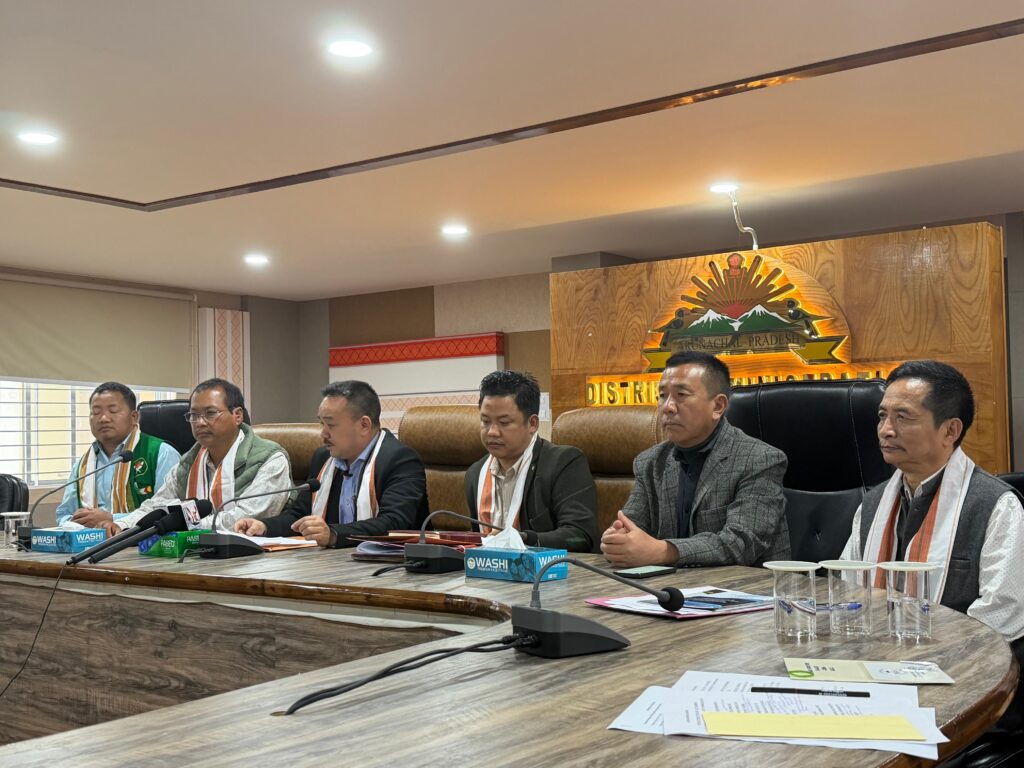
Staff Reporter ITANAGAR :  The Arunachal Pradesh Indigenous Youth Organization (APIYO) on Monday questioned the state government over alleged inaction against illegal mosque constructions and illegal immigrants in the State. Addressing a press conference at the Arunachal Press Club, APIYO president Taro Sonam Liyak said the organisation had repeatedly submitted representations to the government and concerned departments and had also organised dharnas and rallies in support of its demands. Liyak said APIYO held a roundtable meeting with Chief Minister Pema Khandu, Home Minister Mama Natung and government officials on January 27, during which the organisation submitted a list of alleged illegal mosque constructions in the Itanagar Capital Region (ICR) and raised concerns over illegal immigrants residing in the State. According to him, the Chief Minister had assured the organisation in writing that appropriate action would be taken against illegal constructions and illegal immigrants. However, he alleged that no concrete action has been initiated so far. Liyak further stated that APIYO had recently sought permission to organise a peaceful rally in Itanagar to press for its demands and protest the delay in government action, but claimed that the Itanagar Superintendent of Police did not issue a No Objection Certificate (NOC) for the programme. “We want to fight democratically, but we fail to understand why the district administration and police denied our appeal,” he said. He also warned that if permission for the rally continues to be withheld, the organisation may resort to a bandh and other forms of protest against the alleged illegal structures. Meanwhile, the Itanagar Capital Police clarified that permission for the proposed rally had not been denied. In a statement, the police said APIYO was only requested to defer the programme in view of the prevailing sensitive law and order situation in the capital region and based on credible inputs received by the police. The police stated that the matter was conveyed to APIYO secretary general Tapor Maying during a meeting held on Monday. Clarifying its stand, the Capital Police said it has never denied, nor would deny, permission for any lawful rally or dharna conducted peacefully within the framework of law. It added that the request for deferment was made purely as a precautionary measure to prevent anti-social elements from exploiting large gatherings to disturb public order.      

Latest News, Popular News, State News

Rare Himalayan plant rediscovered in Arunachal after 120 years

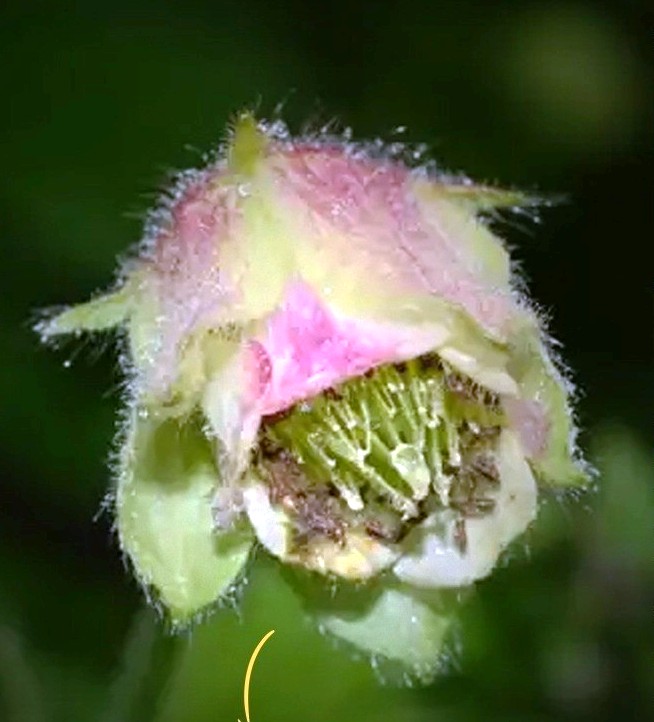
ITANAGAR : Researchers from the Botanical Survey of India (BSI) have rediscovered the rare flowering plant species Geum macrosepalum in the alpine region of Arunachal Pradesh nearly 120 years after it was last officially recorded in India, officials said. The species, endemic to the Eastern Himalaya and considered vulnerable, was found near the strategically important Se La Pass in western Arunachal Pradesh during an extensive botanical survey in high-altitude alpine meadows, they said. According to researchers, the species was rediscovered during a field study conducted under a project assessing the impact of climate change on floristic diversity and migration of vascular plants in the alpine and subalpine landscapes of western Arunachal Pradesh. The research team, comprising botanists Subhajit Lahiri, Monalisa Das and Sudhansu Sekhar Dash, located the species in the Se La area between Tawang and West Kameng districts at an altitude of around 4,200 metres. The findings have since been documented in the international scientific journal Phytotaxa, which described the rediscovery as a major contribution to understanding the fragile Eastern Himalayan ecosystem. Scientists noted that the plant was last reliably collected in India in 1905 from Sikkim, with only a few historical records available thereafter. A member of the rose family, Geum macrosepalum is characterised by its pale yellow to ivory-yellow flowers tinged with reddish hues and drooping blossoms adapted to harsh alpine environments. Researchers found the species growing in alpine meadows and marshy terrain in one of the least explored landscapes of the Indian Himalaya. Using International Union for Conservation of Nature (IUCN) assessment parameters, the researchers classified the species as ‘Vulnerable’ in India owing to its restricted distribution and mounting habitat pressures caused by developmental activities and ecological disturbances in fragile mountain ecosystems. Scientists involved in the study emphasised that the rediscovery underlines the urgent need for intensified floristic research and long-term conservation efforts in Arunachal Pradesh, which forms part of the globally recognised Eastern Himalaya biodiversity hotspot. The region is known for harbouring numerous endemic and rare species of flora and fauna, many of which remain undocumented because of difficult terrain and limited scientific exploration. The rediscovery has drawn attention from conservationists, scientists and policymakers alike, with Arunachal Pradesh Deputy Chief Minister Chowna Mein hailing the finding as a reminder of the state’s extraordinary ecological wealth. “Rediscovering a forgotten treasure of the Eastern Himalaya. The rare Geum macrosepalum, unseen in India for nearly 120 years, has been found again in the alpine landscapes of Arunachal Pradesh, highlighting the rich biodiversity and ecological significance of the region,” Mein said in a post on X on Monday. Over the past few years, Arunachal Pradesh has emerged as a major centre for botanical discoveries and rediscoveries. Several new and rare plant species, including orchids, begonias and alpine herbs, have been identified from the state’s remote mountainous regions. (Source: PTI/Photo: XChownaMeinBJP)      

Latest News, Popular News, State News

State Food Commission reviews NFSA implementation in districts

ZIRO :  Arunachal Pradesh State Food Commission (APSFC) Chairman Tarh Tarak chaired a joint review meeting on implementation of the National Food Security Act (NFSA) for Lower Subansiri and Keyi Panyor districts at the Golden Jubilee Conference Hall on Monday. The meeting brought together administrative officers and officials from various departments to assess the status of food security schemes and discuss measures for improving delivery of benefits to eligible households. APSFC Member Ngasah Tangjang, while addressing the meeting, highlighted the evolution of the public distribution system from the rationing era to the rights-based framework under the NFSA. He also underlined the Commission’s quasi-judicial powers aimed at safeguarding the interests of vulnerable sections of society. During the meeting, officials reviewed implementation of Antyodaya Anna Yojana (AAY) and Priority Household (PHH) schemes. Tarak raised concerns over irregularities in electronic Point of Sale (ePOS) machines and directed the concerned department to address technical issues to ensure smooth and transparent distribution of food grains. Officials from the Health and Women and Child Development departments, including Child Development Project Officers (CDPOs) and the District Medical Officer (DMO), apprised the meeting of challenges faced in implementing welfare programmes such as the Supplementary Nutrition Programme and Janani Suraksha Yojana, particularly in view of funding constraints. Expressing satisfaction over the maintenance of the Food Corporation of India (FCI) godown, the APSFC Chairman stressed the need for establishing a dedicated food testing laboratory in the region to ensure food quality and safety. Tarak also directed Heads of Departments of both districts to maintain proper records and strictly adhere to statutory guidelines. He further emphasised the importance of strengthening public awareness so that beneficiaries are fully informed about their entitlements and procedures for availing benefits under various food security schemes. (DIPR)      

Latest News, Popular News, State News

RTI body alleges irregularities in Frontier Highway compensation in Bichom

Staff Reporter ITANAGAR :  The All Arunachal RTI Activist Association, Bichom District Unit (AARTIAA-BDU), on Monday alleged large-scale corruption in the payment of land compensation to Project Affected Families (PAFs) and land alignments under Frontier Highway NH-913 Package-1 in Bichom district, and demanded immediate re-verification of the land. Addressing a press conference at the Arunachal Press Club, AARTIAA-BDU president Sangcho Zongluju alleged that local legislator Dongru Siongju and the deputy commissioner of the district were involved in irregularities related to land compensation and land alignments under the project. Zongluju appealed to Union Minister Kiren Rijiju to conduct a ground verification of the alleged irregularities in land compensation and alignments under Frontier Highway NH-913 Package-1 to assess the extent of alleged misuse of funds. He also requested Union Minister Rijiju and Chief Minister Pema Khandu to issue an order allowing the association to conduct a re-verification of land compensation and land alignments under the project in Bichom district. Zongluju informed that the association had submitted a representation to all concerned authorities on February 2, 2026, seeking an independent and time-bound inquiry by a competent authority into the alleged irregularities. However, he claimed that no response has been received so far. The association further demanded physical re-verification of land under Frontier Highway NH-913 Package-1, along with mandatory permission for AARTIAA-BDU members to remain present during the verification process. Among other demands, the association sought verification of the sanctioned highway alignment with the locations for which compensation has already been paid, immediate suspension of further compensation disbursement until completion of the re-verification process, recovery of alleged illegal payments made so far, and strict action against officials and individuals found responsible for the irregularities. Zongluju further stated that the association had earlier lodged a complaint with the State Anti-Corruption Bureau regarding the alleged large-scale corruption in land compensation under the project, but alleged that no investigation has been initiated till date. “We are here on behalf of the project-affected families. Any attempt to ignore, delay or suppress this issue will only deepen public distrust in the administration,” he said. He further warned that the association would launch a series of democratic movements in the district if the state government fails to address the demand for re-verification of land compensation under Frontier Highway NH-913 Package-1 at the earliest.    

Latest News, National, Popular News, State News

Governor meets CDS, discusses border security in Arunachal

NEW DELHI : Arunachal Pradesh Governor Lt Gen KT Parnaik (Retd) called on Chief of Defence Staff (CDS) General Anil Chauhan in New Delhi on Monday and discussed key national security issues concerning Arunachal Pradesh. The discussions focused on border security, the Vibrant Village Programme and implementation of goodwill projects in frontier areas of the State. Drawing from his recent visits to remote border regions, the Governor shared his observations on the prevailing security situation and preparedness along the international border. He also expressed concern over challenges posed by porous stretches along the eastern border and stressed the need for strengthening border management and infrastructure. Parnaik appreciated the role of the armed forces in maintaining close coordination with the State Government and said the strong civil-military partnership had significantly contributed to the development of frontier villages, ensuring that security and development progress together. The Governor also commended the III Corps and IV Corps for their continued efforts in strengthening civil-military relations through community outreach programmes, regular interactions and goodwill initiatives aimed at supporting people living in remote border areas.