ONLINE AGE

(Online version of the Arunachal Age newspaper)

Author name: OnlineAge

REGIONAL

Bruce Lee’s ‘Enter the Dragon’ film inspired me to pursue Taekwondo: Manipur CM

IMPHAL : Manipur Chief Minister Y Khemchand Singh said that actor Bruce Lee’s ‘Enter the Dragon’ movie inspired him to pursue Taekwondo. Speaking at a Manipuri film event on Thursday evening, Singh said, “I want to place that cinemas can motivate humans. A simple story is that in 1978/79, when Bruce Lee’s Enter the Dragon movie came out, it motivated me. I even went to Lucknow and learnt Taekwondo.” Singh also assured all possible assistance for the development of Manipuri films. The 63-year-old has been practising the martial arts form since the age of 16. Apart from politics, he has had a long association with Taekwondo. A black belt holder, he is a former vice-president of the Taekwondo Federation of India and has been involved in the promotion of the sport in the Northeast. He also founded the All Assam Taekwondo Association in 1982. (Source: PTI)              

Readers Forum

The Silent Flaw in APPSCCE – Unmoderated Optional Marks

Esteemed Editor, While the debate over the 80:20 ratio in Arunachal Pradesh’s state competitive examinations continues to dominate public discourse, a far more insidious inequity quietly undermines the integrity of the APPSCCE — the complete absence of moderation or scaling of optional subject marks. The optional papers, carrying 500 marks (two papers of 250 each), are supposed to offer candidates a level playing field. The results of APPSCCE 2024, however, revealed a stark and troubling discrepancy. Optional subjects such as Animal Husbandry & Veterinary Science, Agriculture, Anthropology, Public Administration, Economics, Botany, etc. recorded significantly high average marks, while candidates who chose Sociology, Geography, and Political Science & International Relations (PSIR) etc. received considerably lower marks in comparison. This wide gap — across subjects of equivalent weightage — makes it evident that what was being measured was not just candidate performance, but also the varying standards of examiners across disciplines. Candidates who scored high in their optional subjects deserve every bit of their success — they performed well, and their marks reflect that. But the concern is not with them. The concern is with those equally capable candidates in other optional subjects who also performed well, yet did not receive marks that truly reflected their effort and ability — not because they wrote poorly, but because the examiners assessing their papers operated on a different and stricter standard. This is where the Arunachal Pradesh Public Service Commission has fallen short. In the absence of any statistical moderation or scaling mechanism, examiner subjectivity goes unchecked. The result is that a candidate’s final rank is shaped not just by how well they performed, but by which optional subject they chose — an element entirely outside their control. Equally important is the need for proper orientation and standardisation of the examiners appointed to evaluate these papers. The Commission must ensure that the teachers and academics selected to check answer scripts are of comparable expertise and experience across all subjects. A structured orientation process before the Mains would help align marking standards and significantly reduce the kind of examiner-to-examiner variance that currently disadvantages sincere candidates. This issue receives little public attention because it does not cut across all communities uniformly. But the absence of noise does not diminish the injustice. The goal of moderation is not to pull down those who scored well — it is to ensure that those who also deserved high marks actually receive them. With the Preliminary Examination scheduled for September 6, and the Mains still approximately three to four months away, the Commission has a meaningful window to act. I urge the APPSC to introduce subject-wise moderation or percentile-based scaling for optional marks, and to put in place a rigorous examiner standardisation process before the Mains — in line with best practices followed by the UPSC and other state commissions. I also call upon civil society, student organisations, and legislators of Arunachal Pradesh to take cognisance of this silent but deeply damaging inequity.   Yours sincerely, An Aggrieved Aspirant  

Editorial

In West Bengal, a few early fractures

West Bengal’s new Bharatiya Janata Party (BJP) government, led by Suvendu Adhikari, has started with a series of contentious administrative decisions. It has renamed or repackaged some of the welfare schemes launched by the Trinamool Congress (TMC) government and introduced central schemes that the previous government had kept at bay. It has also resumed the stalled national census exercise. Governments reversing and revising the decisions of outgoing administrations is not unusual practice. But the divisive tones in some of the other moves are striking. The new government has directed district authorities to set up “holding centres” for apprehended foreign nationals and released foreign prisoners. It argues that the move aligns with its promise to identify and deport illegal Bangladeshi immigrants. Some of these centres have started functioning. Adhikari said Bangladeshi immigrants detained in the state would be handed directly to the Border Security Force (BSF) for deportation, instead of being produced before courts. This is considered adherence to the Immigration and Foreigners Act, 2025, which imposes penalties on illegal immigrants and other offenders. However, handing over suspected immigrants to the BSF without following due process raises legal and humanitarian concerns. Assam Police has deported bona fide citizens to Bangladesh in a similar fashion. Stripped of the officialese of “deportation,” the process involves pushing people across the border. Notably, Bangladeshi authorities have also pushed many of these people back into India. Such arbitrary actions may find endorsement among some sections, but they go against the basic principles of law and humanity. There seems to be a contest among BJP chief ministers, especially the converted ones like Adhikari and Assam Chief Minister Himanta Biswa Sarma, regarding anti-Muslim actions and rhetoric. The government has stopped all welfare assistance based on religious classification and allowances managed by the Minority Affairs and Madrasah Education Department. It has mandated the rendition of Vande Mataram during morning assemblies at madrasas. No one should be forced into acts that are against their religious beliefs. The government should not act like unruly elements imposing religious symbolism and practices on other communities. Celebrations following the BJP’s electoral win saw some meat shops in the New Market area of Kolkata being razed down. On May 15, the Calcutta High Court stayed the Kolkata Municipal Corporation (KMC)’s bulldozer action on allegedly illegal structures in the city’s Muslim-majority Topsia neighbourhood. From Adhikari’s words, before and after his party’s historic mandate in the state, what is seen now may only be the beginning. (Source: DH)  

Latest News, Popular News, State News

APIYO’s 24-hour shutdown amid Eid draws mixed response

ITANAGAR : Normal life remained disrupted across the Itanagar Capital Region (ICR) on Thursday following a 24-hour bandh called by the Arunachal Pradesh Indigenous Youth Organisation (APIYO) over issues related to alleged illegal migrants and unauthorised structures in the state. The shutdown, which began at 5 am on Thursday and is scheduled to continue till 5 am on May 29, affected vehicular movement, business establishments and routine public activities in several parts of the capital region, including Itanagar and Naharlagun. APIYO stated that the bandh was called to press for action against allegedly illegal structures and suspected undocumented migrants residing in the state. The organisation claimed it has been raising the issue since 2023 as part of efforts to safeguard the demographic interests and indigenous identity of Arunachal Pradesh. APIYO president Taro Sonam Liyak said the organisation had repeatedly urged the government to identify and deport alleged illegal Bangladeshi migrants and had also questioned the legality of certain mosques and madrasas in areas of the Nirjuli-Naharlagun belt. “We have been asking the government to identify and deport alleged illegal Bangladeshi migrants. We have also been questioning the legality of mosques and madrasas in certain areas. The government’s inaction compelled us to call the shutdown,” he said. The bandh coincided with Eid celebrations, drawing criticism from several quarters, with many alleging that the timing of the protest indirectly affected members of the Muslim community observing the festival. Due to the shutdown, many families in the capital region reportedly remained indoors during the celebrations. Rejecting allegations of targeting any particular religious community, APIYO maintained that the agitation was solely focused on issues related to illegal migration and demographic concerns. Meanwhile, the Capital administration termed the bandh “illegal and unlawful” and imposed restrictions under Section 163 of the Bharatiya Nagarik Suraksha Sanhita (BNSS), 2023, citing Supreme Court observations against forced shutdowns and disruption of public life. Deputy Inspector General of Police (Capital Region) Tumme Amo appealed to the public to reject “bandh culture” and continue normal activities under police protection. Police officials informed that a few individuals linked to the bandh were apprehended as a preventive measure. However, no incidents of violence were reported during the shutdown.              

Latest News, Popular News, State News

Arunachal can lead sustainable development model: Wangsu

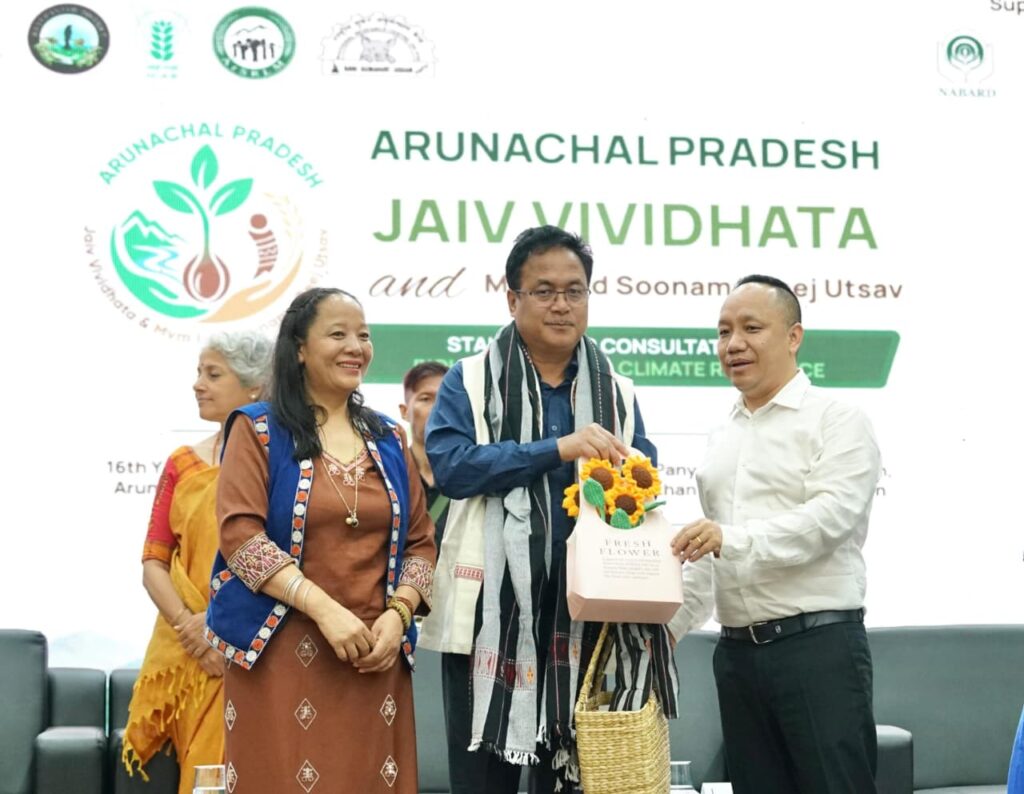
YAZALI : Arunachal Pradesh Agriculture and Allied Departments Minister Gabriel D Wangsu on Thursday said Arunachal Pradesh has the potential to emerge as a national model for sustainable and community-driven development, while inaugurating the two-day Arunachal Pradesh Jaiv Vividhata and Mvm Liid Soonam/Beej Utsav 2026 at Government Higher Secondary School, Yazali in Keyi Panyor district. The programme, which also included a stakeholder consultation on biohappiness and climate resilience, was jointly organised by the 16th Yachuli MLA Office, Krishi Vigyan Kendra Keyi Panyor, Arunachal State Rural Livelihoods Mission and the M S Swaminathan Research Foundation, Chennai. Addressing farmers, scientists, researchers, policymakers and indigenous community representatives from across the state, Wangsu said the answers to sustainable development already exist within Arunachal Pradesh’s traditional knowledge systems and farming practices. “The world is searching for sustainable models of development, and the answers already exist in Arunachal Pradesh,” he said. Highlighting the growing impact of climate change on agriculture, the Minister said erratic rainfall, shorter winters and increasing floods are adversely affecting farmers and rural communities. He stressed that indigenous rice varieties and traditional crops preserved by local farmers over generations are naturally adapted to local ecosystems and are crucial for future food security and climate resilience. “Losing these traditional crops would not only be a cultural loss, but also a serious threat to our future food security and resilience,” he said. Calling for collective action, Wangsu said biodiversity conservation and climate resilience cannot be achieved through government efforts alone. “Community participation is the key because no government alone can protect biodiversity, and no scientist alone can conserve seeds,” he remarked, urging villages, panchayat institutions, youth groups and farming communities to actively participate in conservation initiatives. The Minister also welcomed increasing awareness on the Protection of Plant Varieties and Farmers’ Rights Act and appreciated efforts to secure intellectual property rights protection for 12 indigenous paddy varieties from Lower Subansiri district. Describing quality seeds as the foundation of agricultural transformation, Wangsu stressed the need to strengthen seed villages, community seed banks, local seed certification systems, cold storage infrastructure and farmer-led seed production systems across the state. He further highlighted the role of women in preserving agrobiodiversity, describing them as the “true custodians of biodiversity” in tribal communities. Encouraging greater youth participation in agriculture, Wangsu urged young people to view the sector as a modern and innovative profession linked to sustainability, entrepreneurship, food processing, eco-tourism and digital marketing. “Our young people must see agriculture not as a last option, but as a meaningful profession that connects livelihood with sustainability,” he said. Reaffirming the commitment of the state government under Chief Minister Pema Khandu, the Minister said the state is working closely with premier institutions and stakeholders to promote climate resilience and sustainable development suited to the ecological conditions of the Northeast. A major attraction of the programme was the Arunachal Seed Festival and Agrobiodiversity and Sustainable Livelihoods Exhibition, where community seed conservers, particularly from the Nyishi and Apatani communities, showcased indigenous crop varieties, traditional farming practices and biodiversity-based livelihood models. The inaugural programme was attended by 16th Yachuli MLA Toko Tatung, M S Swaminathan Research Foundation Chairperson Dr Soumya Swaminathan, architect Rajeev Sethi, Protection of Plant Varieties and Farmers’ Rights Authority Guwahati Dr Atul Chandra Sharma, Keyi Panyor Deputy Commissioner Shweta Nagarkoti Mehta, M S Swaminathan Research Foundation Biodiversity Programme Director Dr E D Israel Oliver King, representatives from NABARD, Rajiv Gandhi University, Indian Council of Agricultural Research institutions and farmers from different districts.


Latest News, Popular News, State News

Karandlaje reviews developmental initiatives in Siang

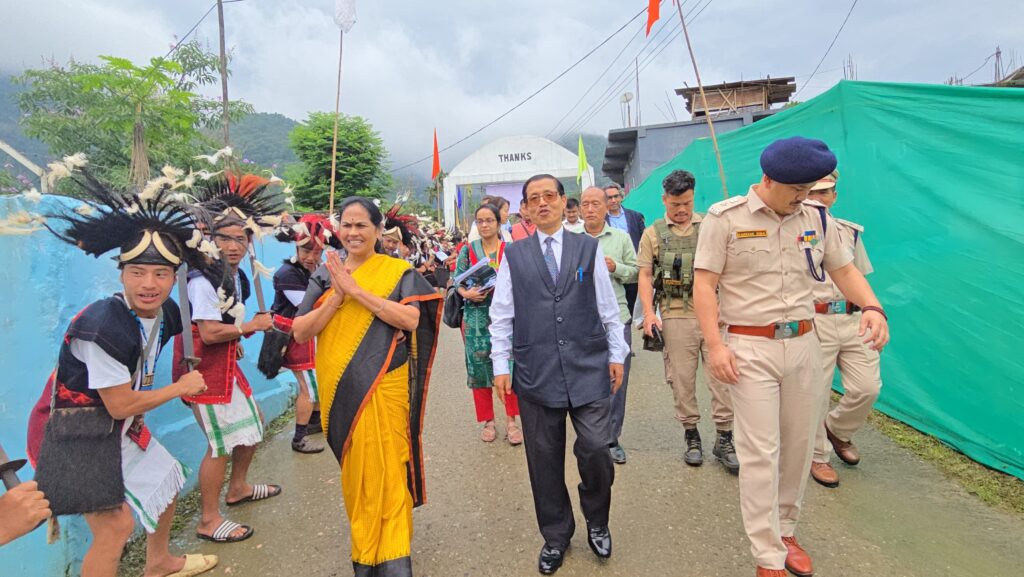
BOLENG : Union Minister of State for Micro, Small and Medium Enterprises and Labour and Employment Shobha Karandlaje on Thursday reviewed ongoing developmental activities and public service delivery in Siang district during a visit to Boleng and Pangin circle. The Minister chaired a review meeting at the Conference Hall of Circuit House, Boleng, in the presence of Siang Deputy Commissioner Tayi Taggu, administrative officers, heads of departments and officials from the Micro, Small and Medium Enterprises and Labour Departments. During the meeting, the district administration presented an overview of Siang district, highlighting key developmental initiatives and proposed interventions. Addressing the officials, Karandlaje offered suggestions aimed at strengthening developmental activities and improving delivery of public services across the district. Following the meeting, the Minister inspected several ongoing projects and beneficiary-oriented schemes in Boleng, including a brick fabrication unit functioning under the Deen Dayal Upadhyaya Grameen Kaushalya Yojana, a Pradhan Mantri Awas Yojana (Urban) beneficiary housing unit and the District Hospital at Boleng. Karandlaje later visited Moli and Moruk villages under Pangin circle, where she was received by villagers, Panchayati Raj Institution leaders and district officials. During the visit, she inspected Pradhan Mantri Awas Yojana (Rural) beneficiary houses, Mahatma Gandhi National Rural Employment Guarantee Act works, an open-air gym and water tank infrastructure developed under the Jal Jeevan Mission. The Union Minister also interacted with beneficiaries and villagers and reviewed the implementation of various developmental programmes in the area, reaffirming the Centre’s commitment to grassroots development and public welfare. (DIPR)

Latest News, Popular News, State News

Arunachal launches digital teacher transfer system to ensure transparency

ITANAGAR : The Arunachal Pradesh government has launched a digitised teacher transfer and posting system to ensure transparency in the process, balanced deployment and stricter monitoring of attendance in schools. Announcing the rollout of the Arunachal Pradesh Teacher Transfer and Posting Policy Act on Wednesday, Education Commissioner Amjad Tak said the reform is being implemented under the government’s ‘Reach to Teach’ initiative to improve staffing in remote and underserved regions. A key feature of the new system is the Teacher Registry Portal, an online database that will digitally manage transfer applications, service records and posting histories of teachers. Tak said that 16,068 teachers, accounting for nearly 97.4 per cent of the state’s teaching workforce, along with 107 ministerial staffers, have already enrolled on the portal. He added that the portal would maintain comprehensive records of teachers, including their transfer history, classroom performance, students’ academic results and medical details, enabling the department to strengthen accountability and reduce irregularities in the education sector. “The department now has complete data on teachers,” Tak said. He said the new transfer framework has been designed keeping in view Arunachal Pradesh’s challenging topography, while also attempting to reduce inconvenience for teachers during postings. The department has already issued 2,064 intra-district transfer orders, of which more than 1,000 have been implemented. The commissioner further said that more than 600 teachers have already applied for self-transfer through the digital platform. At the same time, the department clarified that teachers unwilling to opt for voluntary transfers could still be shifted manually depending on staffing requirements and vacancies, particularly in schools facing acute shortages. The government is also working to maintain the prescribed teacher-student ratio of 1:45 in remote institutions. The commissioner warned that teachers failing to join their new place of posting within 15 days could face action under provisions of the Act. The Teacher Registry Portal is expected to become fully functional by the first week of July this year, while the transfer system will be implemented in phases before becoming fully operational by May next year. (Source: PTI)

Latest News, Popular News, State News

NCW Chairperson reviews AI, leadership, welfare progs in Ziro

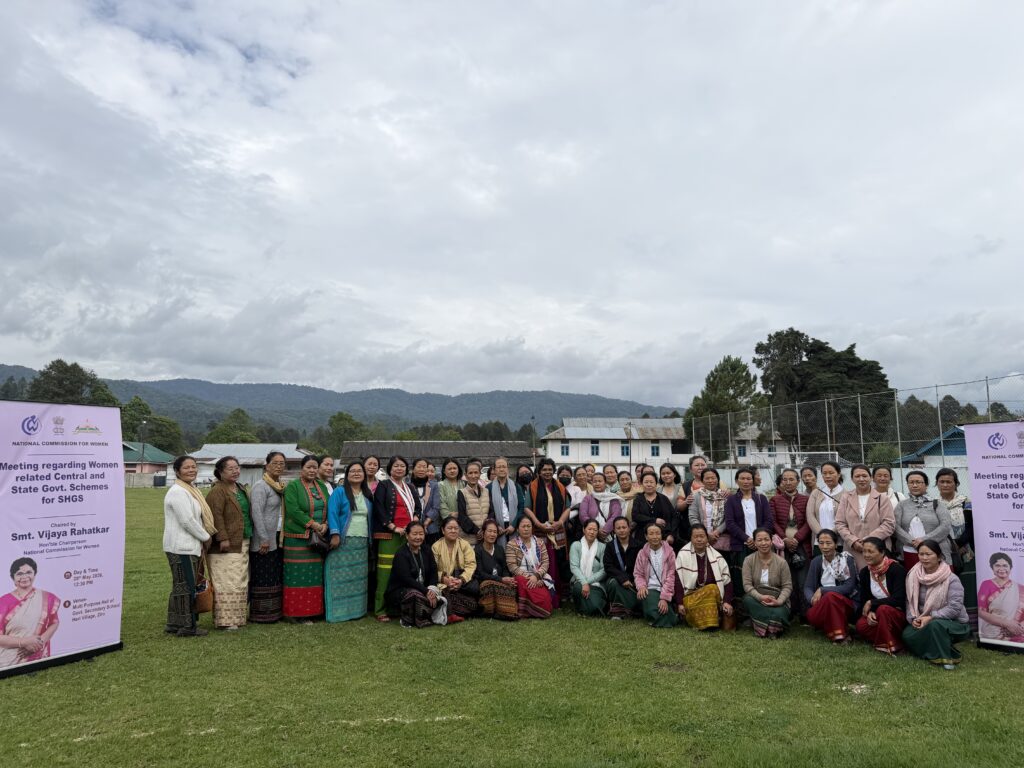
ZIRO : A high-level delegation from the National Commission for Women (NCW), New Delhi, led by Chairperson Vijaya Rahatkar, visited Ziro on Thursday to review women’s empowerment, safety, digital inclusion and welfare initiatives in Lower Subansiri district. The visiting delegation was accorded the status of State Guests by the Government of Arunachal Pradesh. The visit was coordinated by the Arunachal Pradesh State Commission for Women (APSCW) under the leadership of its Chairperson Yalem Taga Burang. The day began with a review of the Yashoda AI initiative at Kalung Panchayat Hall. The programme focuses on the use of technology-driven solutions to address challenges faced by mothers and frontline workers. The delegation also attended the She Serve programme at the same venue, which aimed at encouraging women’s leadership in public service and community governance. Later, the team visited Hari Government Secondary School Community Hall, where members interacted with village elders, women and local residents during an awareness session on various central and state government welfare schemes implemented through the health and livelihood sectors. The visit concluded with a review meeting at the District Secretariat, Ziro, where NCW Chairperson Vijaya Rahatkar and the delegation held discussions with senior administrative and police officials of Lower Subansiri district. The meeting reviewed issues related to law and order, women’s safety and the handling of legal cases concerning women, with emphasis on ensuring a secure environment and effective delivery of welfare initiatives in the district. (DIPR)

Latest News, Popular News, State News

West Kameng DC reviews academic performance, DBT implementation

BOMDILA : A review meeting of the Department of Education was held on Thursday at the DC Conference Hall under the chairmanship of West Kameng deputy commissioner Dr Dilip Kumar. The DC reviewed the academic performance of students, staffing position, and implementation of programmes under ISSE and PM Poshan. During the meeting, it was informed that the acute shortage of subject teachers has directly affected the results in various State Board and CBSE examinations. The matter regarding the requirement of teachers has already been placed before the Government. Dr. Kumar informed that he would personally visit schools to get a first-hand understanding of the problems being faced and make efforts to mitigate them wherever possible. He further called upon all stakeholders to work in coordination with various departments to ensure better educational outcomes in the district. Earlier, the DC also reviewed the status of Direct Benefit Transfer (DBT) and students’ bank accounts in the presence of DDSE, Branch Managers of various banks, Block Education Officers (BEOs), BRCCs, CRCCs, Heads of Schools, School Management Committee (SMC) members, parents, and students. During the meeting, the DBT status and issues related to students’ bank accounts were discussed in detail. It was informed that the Department has achieved 88.33 percent DBT coverage for students so far. The DC directed all concerned to ensure 100 percent achievement in DBT implementation and opening/verification of students’ bank accounts by June 2026. He advised schools to make coordinated efforts with all stakeholders and administrative officers to achieve the target within the stipulated timeline. (DIPR)

Latest News, Popular News, State News

APWWS organises FGD on polygamy, women’s mental health

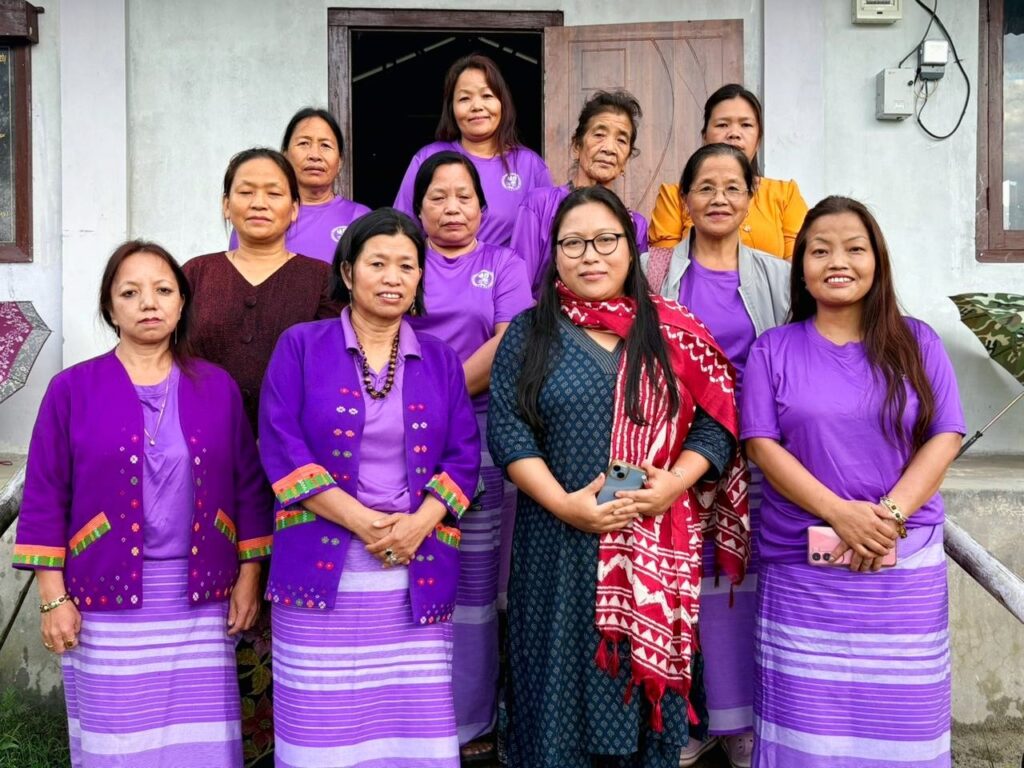
YINGKIONG : An interaction-cum-focused group discussion (FGD) on polygamy and its impact on women’s mental health was organised at the office of the Arunachal Pradesh Women’s Welfare Society (APWWS), Upper Siang district unit, Yingkiong on Thursday. The programme witnessed active participation and deliberations on the social, psychological and cultural dimensions of polygamy and women’s welfare. Speaking as the facilitator, Fakir Mohan University Assistant Professor Moti Pangkam shared her academic interest in studying issues related to polygamy, particularly its impact on women’s mental health. She also highlighted the important role of the media in amplifying women’s voices and addressing social issues affecting them. Addressing the gathering, APWWS Upper Siang district unit President Kasimang Jopir Pazing said the organisation has been actively conducting awareness campaigns on legal literacy, women’s rights, skill development, education and anti-drug initiatives. She stated that creating awareness on issues related to polygamy has become one of the organisation’s top priorities and informed that APWWS would soon organise dedicated awareness programmes on the issue. DIPRO-cum-In-charge Publicity of APWWS Yalik Jerang stressed the importance of proper upbringing and empowerment of the girl child through quality education and financial independence. She also emphasised the need to educate young and vulnerable girls about the consequences of polygamy and said education, coupled with a positive mindset, is essential for bringing meaningful and transformational social change. (DIPR)