

ONLINE AGE

(Online version of the Arunachal Age newspaper)

Author name: OnlineAge

REGIONAL

State, Centre’s inability to exercise Constitutional power causing violence in Manipur: Cong

IMPHAL : The Manipur unit of the Congress on Thursday alleged that the frequent violence in the state was due to the state and Union government’s inability to properly use their constitutional powers in addressing vexing issues. This came a day after three suspected militants gunned down as many church leaders in Kangpokpi, while a man was killed in the Noney district. Addressing a press conference, state Congress chief O Ibobi Singh said, “We strongly condemn the killings. Three persons belonging to one community were killed on Wednesday morning, while a civilian of another community was killed in the evening in what appears to be a retaliatory act.” “How long will the Central government remain a mute spectator to the series of killings happening in the state. It appears as if the state has been left on its own, and the different communities are being allowed to engage in killings,” said the three-time former chief minister. Referring to the ethnic violence in 2023, Singh said, “Even the Supreme Court had previously said the law and order in the state has completely collapsed.” “Killings between communities will never bring any solution. It’s time to shun revengeful,” the Congress leader said, reiterating that law and order is the responsibility of the state government. “Constitutional powers given to the government are not being rightly used by both the state and union governments. This, I believe, is the cause of the unrest,” he said. Manipur witnessed the killing of at least 260 people and the displacement of thousands in violence between the Meitei and Kuki communities since May 2023. (Source: PTI)    
REGIONAL

Assam exports first consignment of agarwood chips to Saudi Arabia, UAE

GUWAHATI : Assam has exported its first consignment of agarwood chips worth Rs 2.35 crore to Saudi Arabia and the United Arab Emirates, officials said. Agarwood, also known as Oud, is one of the world’s most valuable aromatic raw materials, and is widely used in luxury perfumes, incense, cosmetics and traditional products across the Gulf, Europe and Southeast Asia. The shipment marks a “significant milestone” in the state’s agro-forest economy, as it is the “first legally approved export of agarwood chips”, according to a release issued by the All Assam Agarwood Planters and Traders Association. It is expected to open a new chapter for an industry with vast global demand and strong revenue potential, the association said. The consignment, comprising 100 kg of agarwood chips to Saudi Arabia and 12 kg to the UAE, was dispatched from the cargo terminal of the Lokpriya Gopinath Bordoloi International Airport on Wednesday. The agarwood chips were exported after securing all statutory clearances, the release said. “This achievement is the result of years of research, policy advocacy, farmer engagement, plantation development, processing innovation and international compliance efforts,” All Assam Agarwood Planters and Traders Association chairman Jehirul Islam said. Assam-grown agarwood is highly valued for its superior quality, rich aroma and high oil content, giving the state a strong advantage in international markets, the officials said. (Source: PTI)    

REGIONAL

Shutdown against killings by militants hit normal life in Manipur’s three districts

IMPHAL : Normal life was paralysed in at least three districts of Manipur on Thursday by shutdowns called by the Kuki Zo and Naga communities against the killing of three church leaders and a civilian a day ago. Government offices recorded thin attendance while educational institutions remained closed in the heavily affected districts of Kangpokpi, Churachandpur and Chandel. A 48-hour shutdown in Manipur has been called from Thursday midnight by Kuki Inpi Manipur, the apex body of Kuki tribes in the state, to protest the killing of three Thadou church leaders near Kotlen in Kangpokpi district on Wednesday morning. Protesters forced the closure of market areas, business activities and vehicular movement along the National Highway 2 that connects Imphal with Dimapur in Kuki-majority Kangpokpi district, an official said. Churachandpur district-based Zomi Students’ Federation – General Headquarters called for an indefinite shutdown in the town areas of the district from 6 pm on Wednesday. The Chandel Naga People’s Organisation also imposed a shutdown in the Chandel district against the killing of a Naga person in Noney district on Wednesday evening, which brought business activities and vehicular movement to a halt. Wilson Thanga and his wife were returning home in Dolang village on a four-wheeler when they were attacked by suspected militants. While Thanga died on the spot, his wife suffered injuries in the attack. Manipur witnessed the killing of at least 260 people and the displacement of thousands in violence between the Meitei and Kuki communities since May 2023. (Source: PTI)        
Editorial

Twin crises threaten India’s farm economy

While an intense heat wave is spreading across India, agriculture will be one of the sectors most severely impacted. A report from the Food and Agriculture Organization (FAO) and the World Meteorological Organization (WMO) has warned that heat events have posed a threat to the livelihoods and health of over a billion people worldwide. The impact will be severe in India, with predictions of a likely fall in yields of rice and wheat crops. The country has seen an early incidence of high temperatures in all climatic zones. Agriculture is highly climate-sensitive, and variations in heat levels can badly affect crops. The untimely heat waves are likely to curtail yields in important farming states such as Punjab, Haryana, and Uttar Pradesh. The wheat harvest is already over, and reports from farms are not encouraging. Rice is equally vulnerable. Rice cultivation is about to start, and the dry weather will affect seed germination, nursery preparation, and the growth of plants. Farmers will have to rely more on groundwater or irrigation where available, as higher evaporation will increase water loss. Irrigation facilities are inadequate in many areas of the country. It is not just the existing dry weather or the heat wave conditions in the coming weeks that will challenge agriculture. The entire monsoon season from June to September is likely to see a deficit in rainfall, and that can hurt the whole farming economy. The heat wave is not the only challenge. There is a serious shortfall in the supply of fertilisers. The war in West Asia has dealt a serious blow to the supply of fertilisers and important raw materials such as natural gas and ammonia that are used for fertiliser production. The closure of the Strait of Hormuz has disrupted a major share of the world’s fertiliser trade. Major producers such as Russia and China have cut down on exports to support domestic demand. China is a major supplier of fertilisers to India. India’s agriculture is likely to face pressure from two sides: heat and fertiliser shortages. Governments at both central and state levels should start taking measures to counter them. These include a focus on heat-resistant crops, counselling farmers, and supporting them in dealing with the impact. India has not made any progress in putting in place a system of climate-resistant agriculture on a permanent basis. Climate change and its challenges are going to be with us. There is a need to protect the country’s agriculture and economy from the impacts of climate change and other pressures more urgently than ever before. (Source: DH)

Latest News, Popular News, State News

AAPSU condemns NEET-UG paper leak, seeks NTA reforms

ITANAGAR : The All Arunachal Pradesh Students’ Union (AAPSU) on Wednesday strongly condemned the alleged NEET-UG 2026 paper leak, terming it a “systemic betrayal” of lakhs of medical aspirants across the country. In a press release, AAPSU demanded immediate accountability, structural reforms in the National Testing Agency (NTA), and expansion of examination centres across Arunachal Pradesh. AAPSU President Meje Taku said, “The NEET-UG examination is the sole entrance gateway for medical and dental undergraduate courses in India. Compromise of such an examination strikes at the very foundation of meritocracy and public trust in national institutions.” The NTA cancelled the examination conducted on May 3 following allegations that a document containing around 410 questions had circulated on WhatsApp groups weeks before the examination. Reports also alleged that nearly 120 Chemistry questions matched the actual question paper. The cancellation has affected over 22.79 lakh registered candidates nationwide. The union stated that the recurrence of the controversy, following a similar incident in 2024, indicated “deep structural flaws” in the examination system rather than an isolated lapse. AAPSU demanded that the Central Bureau of Investigation’s inquiry into the case be completed within a publicly declared time frame and called for strict action against all individuals, syndicates, coaching centres and institutional insiders found involved. Taku further urged the Union Education Ministry to place a comprehensive reform roadmap for the NTA, including independent operational audits, stronger digital and physical security mechanisms for question paper handling, and mandatory third-party verification of examination processes. On the issue of re-examination, Taku said, “Conducting another examination without first implementing structural reforms would only repeat the same flawed process.” The union also sought financial reimbursement for candidates who had travelled to examination centres for the cancelled test, particularly students from Arunachal Pradesh who often face difficult and expensive journeys due to the state’s challenging terrain and limited transport connectivity. AAPSU pointed out that only four examination centres — Itanagar/Naharlagun, Basar, Namsai and Pasighat — were allotted in Arunachal Pradesh for NEET-UG 2026, forcing students from remote districts such as Tawang, Anjaw, Dibang Valley, Longding and Tirap to travel long distances. The union demanded that the NTA immediately establish additional examination centres in major district headquarters including Bomdila, Tawang, Tezu, Ziro, Aalo, Changlang, Deomali and Roing. “The youth of Arunachal Pradesh ask for nothing beyond what every aspirant in this country deserves — a fair examination, a credible process, and an examination centre they can reach without sacrificing their health, savings, or livelihood,” the release stated. AAPSU affirmed that it would continue to pursue the matter with the Ministry of Education and mobilise student opinion until its demands are addressed.

Latest News, Popular News, State News

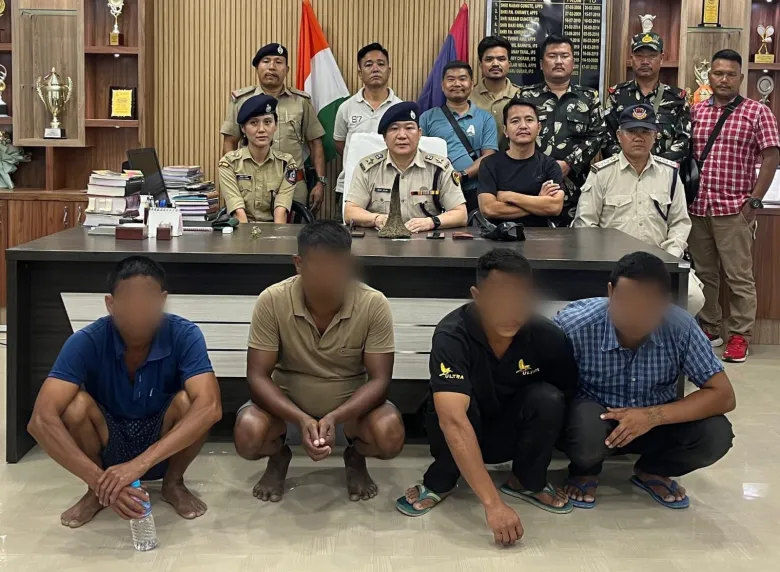
Rhino horn worth Rs 1.2 cr seized; four held

ITANAGAR : Four people have been arrested in Papum Pare district with a rhinoceros horn valued at around Rs 1.2 crore, officials said on Wednesday. Papum Pare Superintendent of Police (Rural) Taru Gusar said the operation was carried out on May 12 in Hollongi and adjoining areas of Assam following credible inputs about wildlife trafficking. “One rhinoceros horn was seized during the operation,” the SP said, adding that the accused revealed the item was being smuggled for an estimated Rs 1.2 crore. A case has been registered at the Balijan Police Station, and an investigation is underway to ascertain possible interstate or international links, Gusar said. Home Minister Mama Natung lauded the operation and reiterated the government’s commitment to wildlife protection. “The successful joint operation carried out by Balijan Police and the forest department against the alleged smuggling of a suspected rhino horn reflects our government’s firm commitment towards wildlife protection and organised crime prevention,” Natung said in a post on X. He said wildlife trafficking poses a serious threat to ecological balance and the country’s natural heritage, warning that such illegal activities would continue to invite strict legal action. According to global wildlife conservation organisations such as the World Wide Fund for Nature and the International Union for Conservation of Nature, habitat loss and poaching remain major threats to rhino populations despite conservation efforts. (Source: PTI)    

Latest News, Popular News, State News

Awareness drive on labour rights held

PASIGHAT : In a continued effort to curb child labour and forced labour practices, a joint inspection was conducted in various vulnerable areas under Ruksin circle by the Labour Department, Police Department and East Siang district administration. The inspection team was led by Pasighat Sub-Divisional Officer (HQ) Sanjay Taram. The drive was carried out under provisions of the Child Labour (Prohibition and Regulation) Act, the Contract Labour Act and the Inter-State Migrant Workmen (ISMW) Act, among other relevant laws. The primary objective of the inspection was to create awareness on child rights and prevent unfair labour practices at establishments and work sites. Addressing workers and members of the public, Pasighat Sub-Divisional Officer (HQ) Sanjay Taram said, “Children must not be engaged in any form of labour activity. Repeated offenders will face strict legal action under the Child Labour Act.” He also advised migrant workers to remain aware of their rights and immediately report cases of wage theft, bonded labour or exploitation to the police or labour authorities. During the inspection, the team conducted awareness activities through distribution of pamphlets, display of banners and direct interaction with workers. The campaign focused on minimum wages, working hour regulations, workplace safety and the illegality of child and forced labour. Officials informed that a similar inspection drive had earlier been conducted in Pasighat township on May 8. (DIPR)

Latest News, Popular News, State News

Disasters affect over 32,000 people in Arunachal from January to May

  ITANAGAR : A series of weather-related disasters, including storms, landslides, floods, forest fires and heavy rainfall incidents, have affected more than 32,800 people across Arunachal Pradesh during the period between January and May 13 this year, according to the State Emergency Operation Centre (SEOC). An official report issued by the state Disaster Management department stated that at least seven people lost their lives and eight others were injured in various disaster incidents reported from across the state during the period under review. The fatalities included four deaths caused by landslides, two due to storms and one due to lightning strikes. The report said 26 districts were affected by natural calamities, with districts such as Anjaw, Upper Subansiri, Namsai, Kra Daadi, East Kameng, Siang and Changlang witnessing significant impact in terms of population affected and disaster occurrences. According to the report, the state recorded 49 forest fire incidents, 31 storm-related incidents, 24 earthquakes, 24 landslides, nine flood incidents and three heavy rainfall events during the period from January to May 13. Altogether, 114 circles and 128 villages across the state were affected by different forms of natural disasters. The total affected population was estimated at around 32,856 people. The report highlighted extensive damage to houses and other structures. The agriculture and horticulture sectors also suffered losses, with 133.3 hectares of crop area affected, including 123.1 hectares under horticulture cultivation and 10.2 hectares under agriculture. The SEOC report further noted major infrastructure damage across the state, including destruction of 14 roads, 16 power lines, 39 electric poles, eight bridges, two culverts and 31 water supply facilities. Damage was also reported to government buildings, retaining walls, hydel projects, hospitals and schools. The report added that around 1,010 hectares of forest area were affected by forest fires between January and May 13. (Source: PTI)      

Latest News, Popular News, State News

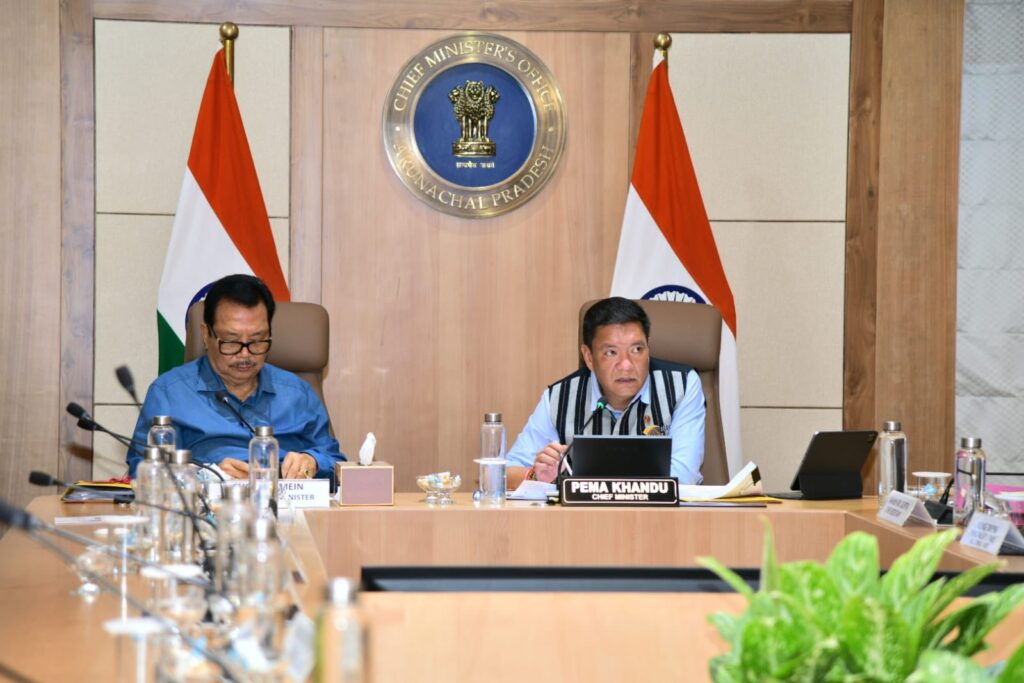
Govt launches district review exercise to improve public service delivery system: CM

ITANAGAR : Chief Minister Pema Khandu on Wednesday said that his government has launched a comprehensive district-wise review exercise aimed at strengthening governance, addressing manpower shortages and improving the public service delivery mechanism. Khandu made the statement in a social media post after chairing the first phase of the review exercise, which covered the newly created districts of Kamle, Lower Siang, Pakke Kessang, Lepa Rada, Shi Yomi, Keyi Panyor and Bichom. He described the exercise as a major step towards building a stronger, more responsive and people-centric administration. The chief minister said that the district-wise review exercise would continue in multiple phases, covering all districts of the state. “Phase I of the district-wise review exercise began with an intensive four-hour meeting convened to comprehensively assess the ground situation and functional status of the newly created districts,” Khandu said. The chief minister said the review focused on manpower gaps, department-wise vacancies, administrative infrastructure, issues requiring policy intervention at the state level, and overall district preparedness to ensure efficient governance and better public service delivery. According to him, detailed discussions were held with elected legislators, deputy commissioners and heads of departments of the respective districts to identify immediate administrative requirements and long-term development priorities. “This district-wise review exercise will continue up to Phase-IV covering all districts of the state, with the objective of building a stronger, more responsive and people-centric administration,” he added. The review exercise assumes significance as several newly created districts in Arunachal Pradesh are still in the process of strengthening administrative infrastructure and filling vacancies in key government departments. Officials said the initiative is aimed at ensuring that the benefits of decentralised administration reach people at the grassroots level by improving governance mechanisms, speeding up implementation of welfare schemes and enhancing coordination among departments. (Source: PTI)    

Latest News, Popular News, State News

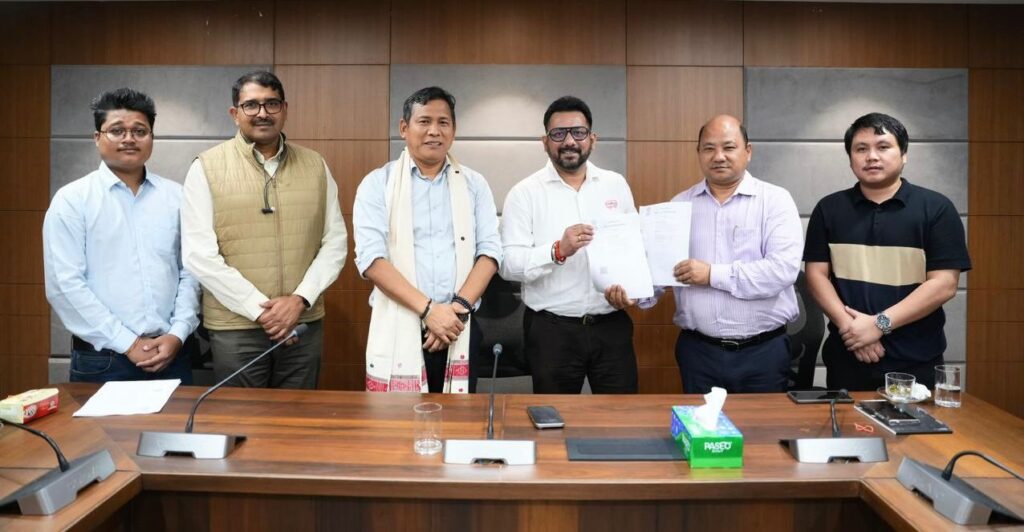
APSTS signs MoU with RedBus-MakeMyTrip for online ticketing

ITANAGAR : Arunachal Pradesh State Transport Services (APSTS) on Wednesday signed a Memorandum of Understanding (MoU) with RedBus, a subsidiary of MakeMyTrip (India) Pvt Ltd, to expand its online e-ticketing services. The MoU signing ceremony was presided over by Arunachal Pradesh Transport Minister Ojing Tasing in the presence of Transport Commissioner Saugat Biswas and other officials. The agreement was signed between APSTS General Manager Mito Dirchi and RedBus Director (Supply) Rajarshi Bhowmick. Under the partnership, RedBus-MakeMyTrip will function as the official online bus ticketing partner of APSTS. The collaboration will integrate APSTS ticketing inventory with a dedicated software platform configured for the Transport Department to ensure seamless and uninterrupted access to transport services. The online ticketing platform is expected to become operational from next month and will be accessible through mobile phones, personal computers, booking counters and bus conductors. Passengers will also be able to book APSTS tickets through MakeMyTrip and its partner platforms, including Goibibo, Google Pay, Amazon Pay and Indian Railway Catering and Tourism Corporation (IRCTC). Addressing the occasion, Transport Minister Ojing Tasing said, “The MoU will significantly improve e-ticketing accessibility, convenience and digital reach for the public. The initiative is also expected to enhance revenue generation for APSTS while offering passengers a seamless and user-friendly booking experience.” Transport Commissioner Saugat Biswas said the online booking facility would initially cover inter-state routes, and later all routes within the state would be brought under the platform. Passengers seeking APSTS online services will be able to avail the facility through the official MakeMyTrip booking portal once the internal integration process is completed.