ONLINE AGE

(Online version of the Arunachal Age newspaper)

Author name: OnlineAge

REGIONAL

Tributes paid to Assam’s first chief minister on birth anniversary

GUWAHATI : Rich tributes were paid to Assam’s first chief minister Lokapriya Gopinath Bardoloi on the occasion of his 136th birth anniversary on Saturday. Governor Lakshman Prasad Acharya in a message said that Bardoloi’s “profound patriotism, towering personality and visionary political decisions have enriched and safeguarded the Assamese and the state”. “On the birth anniversary of this great son of Assam, I offer my heartfelt respects,” he added. Chief Minister Himanta Biswa Sarma, in a post on X, said, “Remembering Bharat Ratna Lokpriya Gopinath Bardoloi on his Jayanti. The architect of modern Assam, his leadership came at a defining moment in our history.” ”Through his courage and vision, he safeguarded Assam’s interests and played a pivotal role in ensuring that Assam remains an integral part of India,” he said. The Guwahati airport, named after the first chief minister, also observed his birth anniversary, with employees asserting that he was a visionary leader whose contributions continue to inspire generations. The team at the terminal also distributed saplings to passengers to mark the occasion. (Source: PTI)  

REGIONAL

Union minister reviews highway projects in Sikkim

GANGTOK :  Union Minister of State for Road Transport and Highways Ajay Tamta reviewed a host of road and infrastructure projects in Sikkim and directed officials to expedite ongoing projects and fast-track the upcoming ones. Tamta travelled along NH-10 and NH-510 and inspected development activities in Gyalshing district, where he reviewed projects such as the Ayush Hospital and Krishi Vigyan Kendra, besides assessing the implementation of various central schemes, an official release said here. The minister also took stock of several major highway projects proposed for the state. These include the 15.30-km Rhenock-Rongli road project, which has received in-principle approval at an estimated cost of Rs 595 crore, and the upgradation of a 25.75-km stretch of NH-10 with a projected investment of Rs 1,018 crore. Proposed bypasses and realignment works between Rangpo-Rorathang and Melli-Singtam were also reviewed, with the projects aimed at easing traffic congestion and improving connectivity across key corridors, the release said. Tamta also inspected the progress of the Gangtok Bypass and directed officials to ensure its completion by November 2026. The National Highways and Infrastructure Development Corporation Limited (NHIDCL) has completed six projects covering 58 km at a cost of about Rs 1,323 crore, while seven more projects spanning 147 km and worth Rs 3,749 crore are under implementation, the release said. The ministry’s Road and National Highways Wing has completed 117 km of road projects costing Rs 1,202 crore, with another 50 km under construction and 58 km of new projects in the pipeline. The release further said the Border Roads Organisation (BRO) has constructed the 59-km Gangtok-Sherathang-Nathu La stretch of NH-310, a strategic route leading to the India-China border. Tamta directed BRO officials to create additional lay-bys for tourist vehicles and strengthen landslide mitigation measures along vulnerable stretches. The minister stressed the Centre’s commitment to improving Sikkim’s road network, saying better connectivity would boost economic growth, tourism, trade and access to remote areas. (Source: PTI)  

REGIONAL

Tezpur Litchi Festival opens new export potential for Assam’s GI-tagged fruit

TEZPUR : The two-day Tezpur Litchi Festival 2026 began here on Saturday, showcasing the region’s celebrated GI-tagged fruit and its expanding footprint in international markets. The event has brought together farmers, exporters, scientists, entrepreneurs, and policymakers to explore new opportunities for the fruit that has become synonymous with the town’s agricultural identity. A major highlight of the inaugural day was the announcement of fresh export initiatives by Sonitpur District Commissioner Anand Kumar Das. He said one tonne of Tezpur litchi has been earmarked for export to Dubai, while arrangements have been finalized to send 500 kilograms to Singapore. In a symbolic gesture, 100 specially packaged boxes of premium Tezpur litchis will be dispatched to the Prime Minister’s Office, Das added. The festival is being organised at multiple venues, including the District Library Auditorium, the adjoining library campus, and Anand Chandra Agarwala Park. Proceedings began with a tribute to renowned Assamese litterateur Padmanath Gohain Barua, who had pioneered improved litchi cultivation in the region. The inaugural session drew participation from a wide spectrum of stakeholders, including elected representatives, agricultural experts, exporters, and growers. Entrepreneur Biswajit Saikia showcased innovative litchi-based products, including dehydrated litchi with an extended shelf life of nearly six months. He also shared plans to develop honey and other value-added products linked to litchi cultivation, highlighting the growing scope of agro-processing in the sector. A commemorative publication chronicling the journey of Tezpur litchi—from its historical roots to future market prospects—was released during the programme. The Department of Posts also marked the occasion by unveiling a special postal cover dedicated to the fruit. Exhibitions, documentary screenings, product displays, and sales counters were also organised. A technical seminar on food technology and litchi processing brought together experts and entrepreneurs to discuss value addition, branding, and market expansion strategies. Ten progressive farmers were honoured for their contributions to boosting litchi production and quality. As part of an awareness drive, the Indian Army distributed litchi saplings among NCC cadets, encouraging youth participation in horticulture and environmental conservation. The festival also highlighted the growing commercial potential of Tezpur litchi through innovative products such as litchi chips. Stakeholders claimed that these initiatives will open new avenues for entrepreneurship, increase farmers’ income, and further strengthen the global reputation of Assam’s prized GI-tagged fruit. (Source: PTI)  

REGIONAL

30 species of raptors, six of storks recorded in Kaziranga during survey

GUWAHATI : six types of storks have been recorded during a survey in the Kaziranga National Park and Tiger Reserve (KNTPR), officials said on Saturday. Altogether 271 raptors and 266 storks were found during the survey conducted by the KNTPR and researchers from various universities of Assam in February-March. The study was held across all administrative ranges under the Eastern Assam Wildlife Division, and the report was released on the occasion of World Environment Day on Friday. Most of these species are listed in Schedule I of the Wildlife (Protection) Act of 1972, which provides the highest degree of protection, prohibiting hunting, poaching, and unauthorised commercial trade of the birds. The park is home to a wide variety of diurnal and nocturnal raptors, which include eagles, falcons, vultures, buzzards and owls, while numerous resident and migratory stork species are found in its vast network of wetlands. These include Slender-billed vulture, Red-headed vulture, Pallas’s Fish Eagle, Steppe Eagle, Greater Spotted Eagle, Grey-headed Fish Eagle, Brown Fish Owl, Dusky Eagle-Owl, Greater Adjutant stork, Lesser Adjutant, Black-necked Stork and Black Stork. A total of 112 species of raptors are recorded from India, with Kaziranga National Park and the adjoining landscape harbours about 50 species of raptors. The state’s rich, diverse wetlands and Himalayan foothills provide critical habitats for these birds of prey. The survey of storks and raptors reveals a striking diversity of these birds across three administrative divisions, officials said. Kaziranga National Park reveals the highest number of raptors with 21 species and 5 species of storks, followed by Biswanath Wildlife Division with 20 species of raptors and 6 species of storks. The Nagaon Wildlife Division has 14 species of raptors and 5 species of storks. Among the stork species, Asian Openbill is the most abundant with 92 individual records across all divisions and Greater adjutant stork is the rarest species with only three individual sightings. Among the raptors, Himalayan Griffon vulture is the most common bird of prey with 69 individual sightings, while Booted eagle and the White-tailed eagle are the rarest species with only one individual sighting each. Kaziranga’s landscape also serves as a last stronghold for the enigmatic Pallas’s fish eagle. These findings underline Kaziranga’s importance for conservation and highlight priorities including nest and floodplain habitat protection, mitigation of powerline electrocution, continued telemetry and international collaboration to secure the species’ remaining populations, officials said. Nesting locations from the current year were also included in the overall analysis. The findings will contribute to ongoing efforts to protect these threatened raptor and stork species and enhance the biodiversity of the park’s diverse habitats. (Source: PTI)          

Editorial

A moral compass to steer the AI age

Pope Leo XIV has joined the debate on Artificial Intelligence with his 40,000-word encyclical Magnifica Humanitas issued last month, calling upon the world to take an ethical view of AI and adopt safeguards against its misuse. The head of the Catholic Church, in a detailed and thoughtful analysis of the technology moving the world, made an appeal to keep it “human-centred” and ensure that its power is not translated into authority over human life. The Vatican clarified that the argument is not for rejecting the technology, but to make it serve people responsibly and to protect their dignity. Warning against monopolistic control of the technology, the Pope said the world should learn from the fallouts of the social media age. Popes have in the past expressed their views on important ideas and events in human history. While they have influenced the actions of governments and the thinking of societies, they have been regarded primarily as talking points, advisories, or suggestions in recent times. In 1891, Pope Leo XIII responded to the Industrial Revolution in his encyclical, Rerum Novarum, calling for harmonious relations between capital and labour, while supporting the workers’ rights and the cause of social justice. Such thinking and concerns have shaped important discourses and guided societies in times of distress. Beyond the theological intent in the Pope’s position on AI, there is a human message that transcends faith and religion. Each generation has a responsibility to preserve the dignity of the individual, promote justice, and encourage fraternity. The message also urges the world to see an important distinction: AI is not morally neutral, so it cannot be judged only in terms of the technologies it entails. The Pope’s is not an isolated voice; others have stated apprehensions about the role AI may have on human lives. These concerns find expression when new ideas and technologies emerge. They are necessary when the world is in a race to expand the frontiers of technology. Such expansive endeavours risk becoming reckless and reaching a stage where the distinction between public good and private profit is extinguished. At a time when there is discussion about human functionalities and agencies being taken over by algorithms, at a time when autonomous warfare is in the realm of possibility, there is a need to assert that man is the measure of all technology and ideology. This is why the Pope’s call for internal restraint and external regulation of the technology resonates with the world. (Source: DH)

Latest News, Popular News, REGIONAL, State News

Guv calls for expediting border fencing along Myanmar frontier

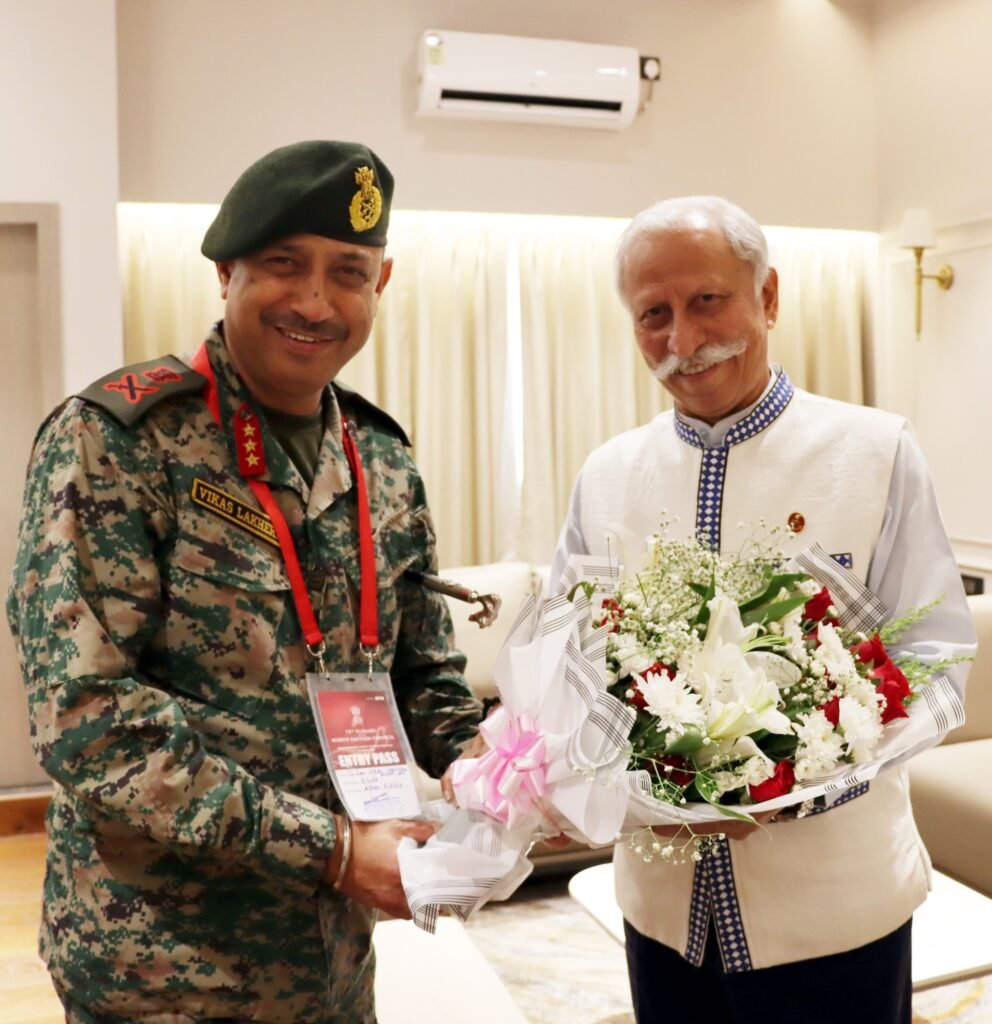
SHILLONG : Governor Lt Gen KT Parnaik (Retd) on Thursday called for expediting border fencing along the India-Myanmar frontier, underscoring its importance for national security, effective border management and prevention of trans-border illegal activities. The Governor made the observation during a meeting with Assam Rifles (AR) Director General Lt Gen Vikas Lakhera in Shillong, where the two discussed issues related to border management, security and the welfare of border communities in Arunachal Pradesh. Referring to recent developments along the international border and the evolving security environment in the region, the Governor stressed the need for constant vigilance and operational preparedness. He advised troops deployed in border areas to remain alert and responsive to emerging challenges. Parnaik commended the Assam Rifles for its dedicated role in safeguarding the international border with Myanmar and maintaining peace and stability in the strategically important frontier areas of Arunachal Pradesh. He lauded the force for its professionalism, commitment and service under challenging geographical and climatic conditions. The Governor also appreciated the Assam Rifles for strengthening ties with local communities through civic action programmes, community outreach initiatives and humanitarian assistance, which have contributed to the socio-economic development of remote border areas. Assam Rifles Director General Lt Gen Vikas Lakhera assured the Governor that the force would continue working closely with the state administration and local communities to strengthen border security while preserving the longstanding goodwill and trust shared with the people. Parnaik was in Shillong to attend the Plenary Session of the North Eastern Council (NEC).    

Latest News, Popular News, State News

AAPPA conducts career counselling prog

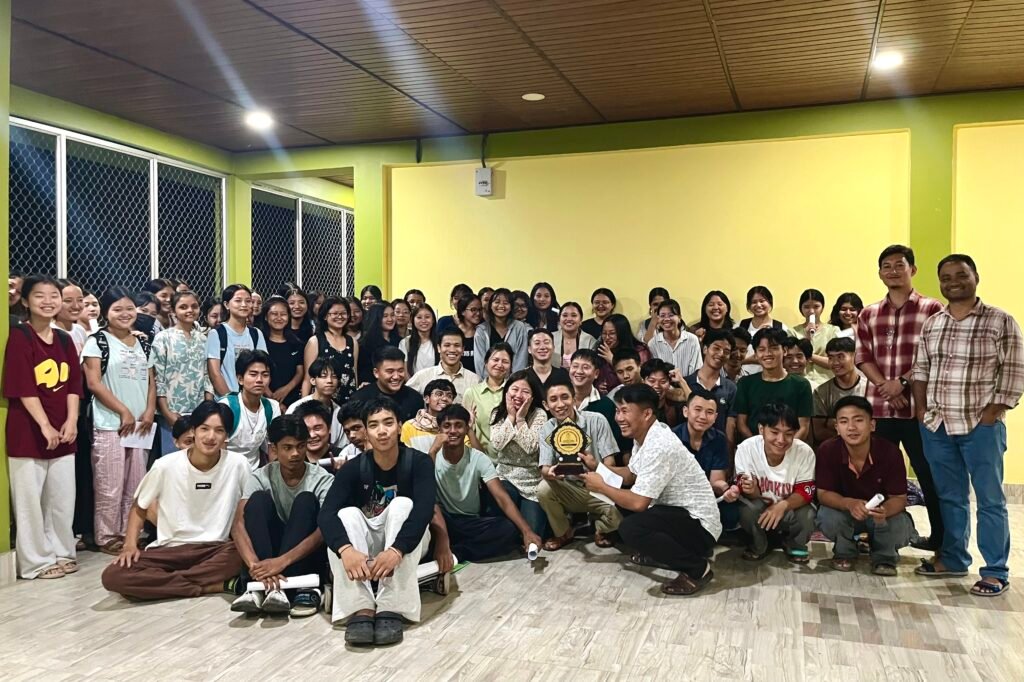
  DOIMUKH :  The All Arunachal Pradesh Psychological Association (AAPPA) organised a voluntary career counselling programme for students of Classes IX to XII at MBD Coaching Centre here on Friday, aimed at helping young learners make informed career choices and develop greater self-awareness. A total of 69 students participated in the programme, which focused on addressing career-related uncertainties and guiding them towards informed educational and professional decisions. The session was led by AAPPA Chairperson Dr Tadar Amar, who highlighted the importance of carefully evaluating one’s interests, abilities and long-term aspirations before choosing a career path. During the interaction, Dr Amar introduced students to the concept of Ikigai in career planning and emphasised the need to align personal interests, skills, values, opportunities and future prospects while making career decisions. He also explained the distinction between conventional and emerging career options, encouraging students to explore diverse opportunities based on their individual strengths and potential. As part of the programme, participants undertook the RIASEC Interest Test Assessment, enabling them to identify their interests and gain insights into suitable career pathways. The programme concluded with a vote of thanks by AAPPA General Secretary Rozi Taba, who reaffirmed the association’s commitment to promoting mental health and psychological well-being across Arunachal Pradesh. She also encouraged individuals seeking psychological support to make use of AAPPA’s tele-counselling service, Calm Space.

Latest News, Popular News, State News

Officials trained on electoral roll revision

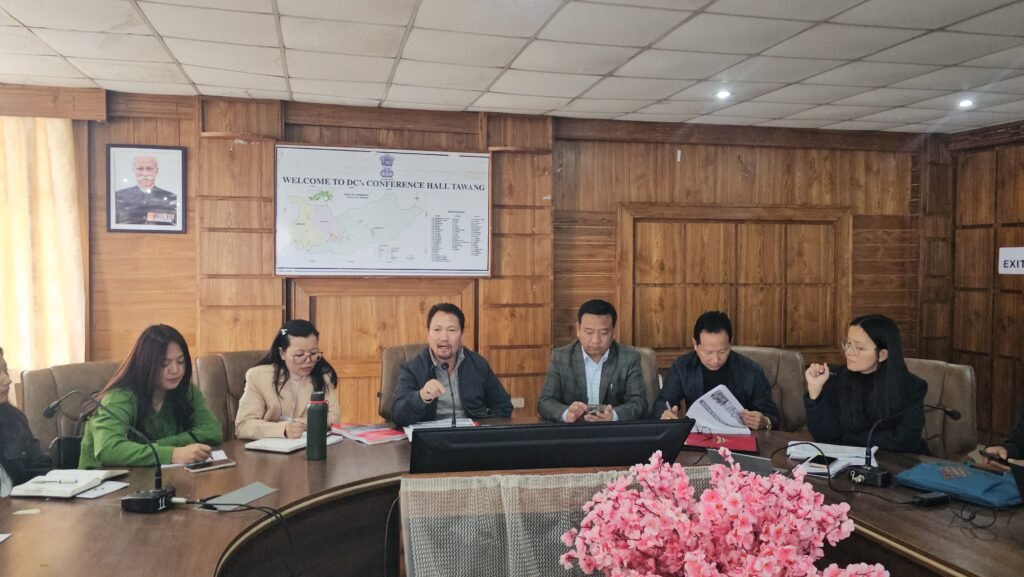
  TAWANG/DAPORIJO : As part of preparations for the Special Intensive Revision (SIR) of Electoral Rolls 2026, election authorities in Tawang and Upper Subansiri districts conducted training and stakeholder engagement programmes on Friday to strengthen the electoral roll revision process and ensure greater accuracy and transparency. In Tawang, a comprehensive training programme was organised at the Conference Hall of the Deputy Commissioner’s Office for Electoral Registration Officers (EROs), Assistant Electoral Registration Officers (AEROs), Booth Level Officer (BLO) Supervisors, Booth Level Officers and Election Department officials. Addressing the participants, Tawang Deputy District Election Officer Rinchin Leta highlighted the critical role of Booth Level Officers in maintaining accurate and error-free electoral rolls. He urged election functionaries to carry out field-level verification diligently to identify and rectify discrepancies, thereby strengthening the democratic process. Earlier, 2-Tawang ST Assembly Constituency Electoral Registration Officer Tsering Choden welcomed the participants and encouraged them to actively engage in the sessions and make full use of the training opportunity. The technical session was conducted by Office of the Chief Electoral Officer Assistant Programmer Sougata Maity, who provided detailed guidance on the SIR process, electoral roll management and operational procedures to be followed during the revision exercise. Meanwhile, in Daporijo, Upper Subansiri district authorities held a meeting with representatives of recognised political parties to discuss the ongoing Special Intensive Revision programme. The meeting was attended by representatives of the Bharatiya Janata Party and the Indian National Congress, along with Electoral Registration Officers and Assistant Electoral Registration Officers. During the meeting, Upper Subansiri DEO presented the timeline and key activities under the revision programme and emphasised the importance of maintaining an accurate, transparent and inclusive electoral roll. The officer called upon political parties to extend full cooperation to election officials in carrying out the revision process effectively, stating that the exercise aims to ensure a clean and error-free electoral roll while safeguarding the integrity of elections. Representatives of the political parties assured their support and cooperation for the successful implementation of the revision programme in the district. (DIPR)

Latest News, Popular News, State News

RTI activists seek enhanced road safety measures along Pena-Tato highway

TATO : The All Shi-Yomi District Unit RTI Activist Association (ASYDURTIAA) has urged Puna Hinda Enterprises to install road safety warning signs, reflectors and caution boards along the National Highway formation cutting areas between Pena and Tato to enhance commuter safety and prevent accidents. The association submitted a representation to the executing agency following a series of road accidents reported along the stretch in recent days, including three fatal incidents involving local residents. ASYDURTIAA President Botha Ragsap said the absence of adequate warning signs, reflectors and safety markers at vulnerable locations has made it difficult for motorists to identify hazardous stretches in time, thereby increasing the risk of accidents. He maintained that the installation of proper safety infrastructure would significantly reduce the likelihood of road mishaps and improve road user awareness. According to the association, the proposed measures include warning and information boards at isolated stretches, traffic safety signage for motorists and pedestrians, and caution boards at sharp bends, steep gradients, narrow road sections, landslide-prone areas and cliff-side portions of the Pena–Tato road formation corridor. Responding to the representation, Puna Hinda Enterprises reportedly assured the association that the matter would be addressed at the earliest. The association expressed hope that the proposed safety measures would be implemented promptly in the interest of public safety and accident prevention.      

Latest News, Popular News, State News

Indigenous crafts and altar-making workshop begins at Liromoba

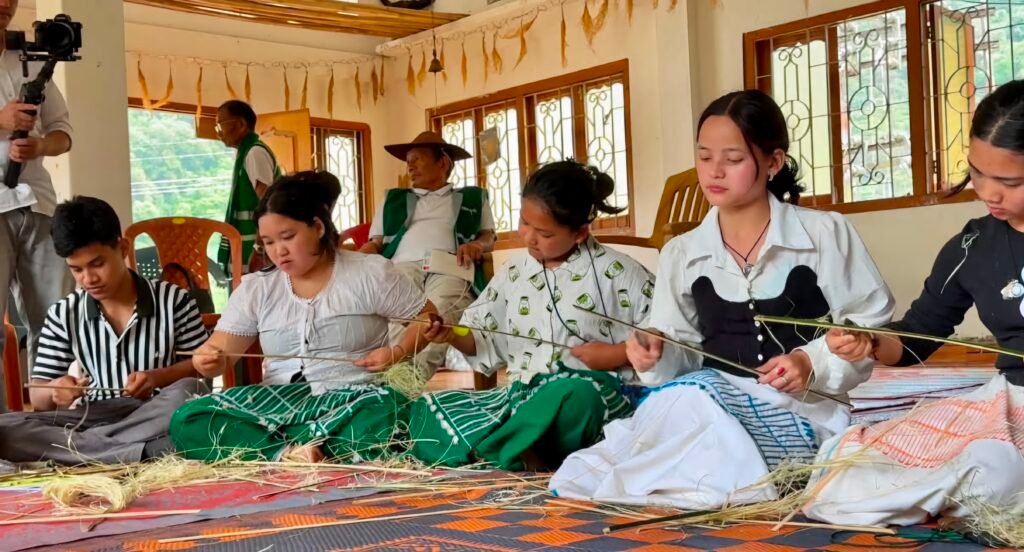
LIROMOBA :  A three-day workshop on indigenous crafts and altar making, organised by the Department of Indigenous Affairs, Government of Arunachal Pradesh, commenced at Donyi Polo Kargu Gamgi in Liromoba with the objective of preserving and promoting indigenous traditions and cultural heritage among the younger generation. The workshop was inaugurated by Indigenous Faith and Cultural Society of Arunachal Pradesh (IFCSAP) General Secretary Maya Murtem in the presence of Liromoba Senior Medical Officer and In-charge Administrative Officer Dr Jumri Romin, IFCSAP Women Wing General Secretary Mameh Dada and senior members of Liromoba circle. The programme focuses on imparting practical skills to youths in preparing bamboo components used in ritualistic altars associated with indigenous faith practices. Participants are being trained in the crafting of various altar elements, which will later be assembled into a complete structure. Resource persons Yorluk Jilen, Marjum Romin, Kepu Kayi and Bipek Kayi are conducting demonstrations and guiding participants throughout the workshop. Addressing the inaugural session, Maya Murtem underscored the importance of preserving indigenous identity and traditions amid rapid modernisation. “We should embrace modernisation with our feet rooted in our traditions and faith,” she said. Dr Jumri Romin emphasised the need to preserve indigenous mother tongues, stating that the responsibility begins at home. He urged parents to communicate with their children in local dialects to ensure the continuity of linguistic and cultural heritage. He further noted that the younger generation has a vital role in safeguarding indigenous traditions and said such initiatives strengthen efforts towards cultural preservation. During the programme, members of Donyi Polo Kargu Gamgi, led by its president Kige Romin, appealed to the IFCSAP general secretary to facilitate the construction of a prayer hall for the community. The workshop has witnessed enthusiastic participation from local youths and community members committed to preserving indigenous knowledge and cultural practices. (DIPR)