



ONLINE AGE

(Online version of the Arunachal Age newspaper)

Author name: OnlineAge

Latest News, Popular News, State News

Arunachal marks World Environment Day with statewide green initiatives

ITANAGAR : World Environment Day was observed across Arunachal Pradesh on Friday with plantation drives, cleanliness campaigns, awareness programmes, special Gram Sabha meetings and community-led initiatives promoting environmental conservation and sustainable living. Government departments, local bodies, educational institutions, civil society organisations and community groups organised a series of activities focusing on afforestation, waste management, biodiversity conservation, climate action and public participation in protecting the environment. In the state capital, Governor Lt Gen KT Parnaik (Retd) participated in a plantation programme organized at Lok Bhavan. Interacting with Lok Bhavan and Forest Department officials, the Governor emphasized that protecting nature is a collective responsibility and called upon every citizen to actively contribute towards increasing the State’s green cover. He particularly stressed the need for extensive plantation drives in urban areas, where rapid development often comes at the cost of natural vegetation. Parnaik suggested that for every tree felled, at least ten saplings should be planted and nurtured to maintain ecological balance and safeguard the environment for future generations. He advised all that tree plantation should become a way of life rather than being confined to occasions such as World Environment Day or Van Mahotsav. He encouraged communities, educational institutions, government departments, and social organizations to incorporate plantation activities into every celebration and public event, transforming each occasion into an opportunity to give back to nature. Calling for greater public participation, Parnaik urged the people of Arunachal Pradesh to combine plantation efforts with cleanliness and environmental awareness drives. He also encouraged citizens to adopt mindful and sustainable practices in their daily lives, including conserving natural resources, reducing waste, and promoting eco-friendly habits. Describing Arunachal Pradesh as one of India’s richest repositories of biodiversity and natural beauty, the Governor appealed to the people to preserve and strengthen this invaluable heritage. “The responsibility of protecting the environment rests with every generation and that today’s efforts will determine the quality of life enjoyed by future generations”, he said. “Let us join hands to nurture nature, protect our forests, and enrich our environment. Together, we can preserve the pristine natural heritage of Arunachal Pradesh and build a cleaner, greener, healthier, and more resilient future for all,” he appealed. Meanwhile, Dera Natung Government College (DNGC), through its Eco Club in collaboration with the Department of Geography and the National Cadet Corps (NCC) Unit of 1 Arunachal Pradesh Battalion, observed World Environment Day with an awareness campaign and public interaction programme. Despite disruptions to normal activities in the region, teachers, students, NCC cadets and Eco Club volunteers participated enthusiastically in the programme, reflecting their commitment to environmental conservation and sustainable development. Delivering the keynote address, DNGC Principal Dr MQ Khan emphasised the importance of environmental conservation, biodiversity protection and the responsible use of natural resources. He encouraged students to adopt sustainable lifestyles and contribute actively towards building a cleaner, greener and more sustainable future. A major highlight of the observance was a plantation drive conducted on the college campus. Participants planted and adopted 60 saplings comprising ornamental plants, flowering trees and shrubs as part of the institution’s campus greening initiative.   At Ziro: Lower Subansiri DC Oli Perme commended the district-wide plantation drive undertaken to mark World Environment Day, during which more than 5,000 saplings were planted across five forest ranges under the Hapoli Forest Division. The large-scale initiative was organised by the Department of Environment, Forest and Climate Change through the Hapoli Forest Range, Ziro, under the leadership of Divisional Forest Officer Tilling Takar, in collaboration with the Department of Animal Husbandry, Veterinary and Dairy Development, Lower Subansiri. A central commemorative programme was held at the District Dairy Farm in Siiro under the global World Environment Day theme, “Inspired by Nature, For Climate, For Our Future.” The plantation drive witnessed active participation from forest officials, government functionaries, volunteers and local residents, contributing significantly to efforts aimed at enhancing the valley’s green cover and conserving its fragile ecosystem. Addressing the gathering, speakers underscored the collective responsibility of citizens in safeguarding Ziro’s rich ecological heritage. They stressed the importance of sustainable dairy practices, environmentally responsible agriculture and adoption of eco-friendly lifestyles to ensure long-term environmental sustainability. The programme concluded with a renewed commitment from stakeholders and community members towards environmental conservation and climate-resilient development in the district. A Gram Sabha dedicated to Solid Waste Management (SWM) was also held in Ziro, bringing together residents, village leaders, administrative officials and technical experts to discuss community-driven strategies for maintaining cleanliness and protecting the valley’s fragile ecology. Welcoming the participants, District Panchayat Development Officer Hage Tarung stressed that keeping Ziro clean should be viewed not merely as a government responsibility but as a collective civic duty requiring active participation from every household. Speaking on the occasion, Assistant Commissioner-cum-Member Secretary Radhe Tatung outlined the roadmap for upcoming village-level sanitation initiatives. He emphasised that the success of waste management systems depends on close coordination between local monitoring committees and government departments, particularly in ensuring effective waste segregation and disposal. Dulley Pai called for greater community involvement in environmental conservation and urged residents to actively participate in cleanliness drives while reducing the use of single-use plastics. The meeting also featured an interactive discussion during which residents raised concerns and suggestions relating to waste collection mechanisms, plastic waste management and other sanitation-related issues. Officials responded to queries and assured participants that community feedback would be taken into consideration while implementing future initiatives.   At Pasighat: A district-level meeting on the implementation of the Solid Waste Management (SWM) Rules, 2026, and directions issued by the Supreme Court was held at the Deputy Commissioner’s Conference Hall to mark World Environment Day under the chairmanship of East Siang DC Sonalika Jiwani. The meeting was attended by public representatives, officials of line departments, members of the Pasighat Municipal Council (PMC) and other stakeholders. Discussions centred on waste segregation, scientific waste management, public participation, institutional accountability and compliance with the new rules. During the meeting, it was informed that the Pasighat Solid Waste Management Plant, established by the PMC in collaboration
Latest News, Popular News, State News

Discipline, ethics key to success, Dr BKS Sanjay tells NCC cadets

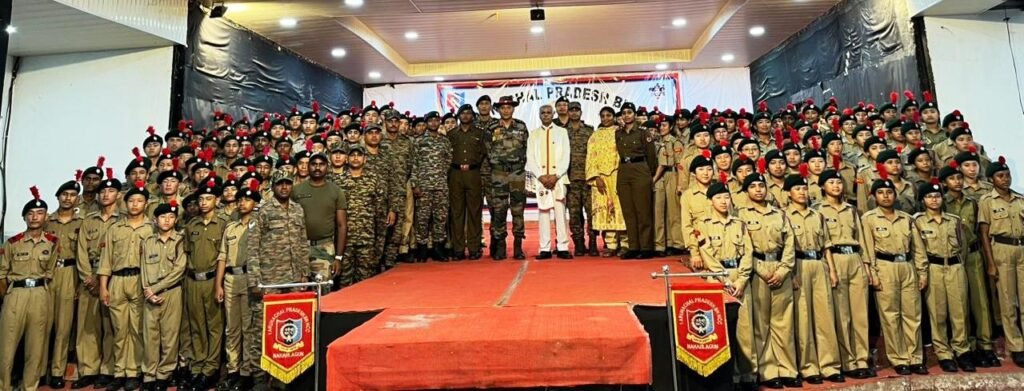
NERIST : Padma Shri awardee Dr BKS Sanjay, a noted orthopaedic and spine surgeon, delivered a motivational session for National Cadet Corps (NCC) cadets during the ongoing Combined Annual Training Camp (CATC) being organised by 1 Arunachal Pradesh Battalion NCC at the North Eastern Regional Institute of Science and Technology (NERIST), Nirjuli on Friday. Speaking on the theme, “Discipline, Ethics Lead to Excellence,” Dr Sanjay highlighted the importance of discipline, ethical conduct, character building and service to the nation as essential pillars of personal and professional success. Drawing from his experience in the medical profession, he shared insights on leadership, teamwork, resilience and integrity, encouraging cadets to uphold strong values in every sphere of life. He introduced the cadets to his “BKS Formula” — Behaviour, Knowledge and Skill — and said that lasting success is achieved through a balanced combination of these three attributes. He urged the cadets to cultivate self-discipline, effective communication skills, respect for others and a spirit of service. Dr Sanjay also stressed the importance of road safety and responsible citizenship while reminding cadets of the NCC motto, “Not Me But You.” He encouraged them to become role models and contribute meaningfully to nation-building. The interactive session was well received by the cadets, who expressed appreciation for the opportunity to learn from the experiences of the distinguished national awardee. The programme concluded with a vote of thanks and a pledge by the cadets to uphold the values of discipline, ethics and excellence in their lives.      

Latest News, Popular News, REGIONAL, State News

Guv, NE Chief Postmaster General discuss commemorative stamp series on Arunachal

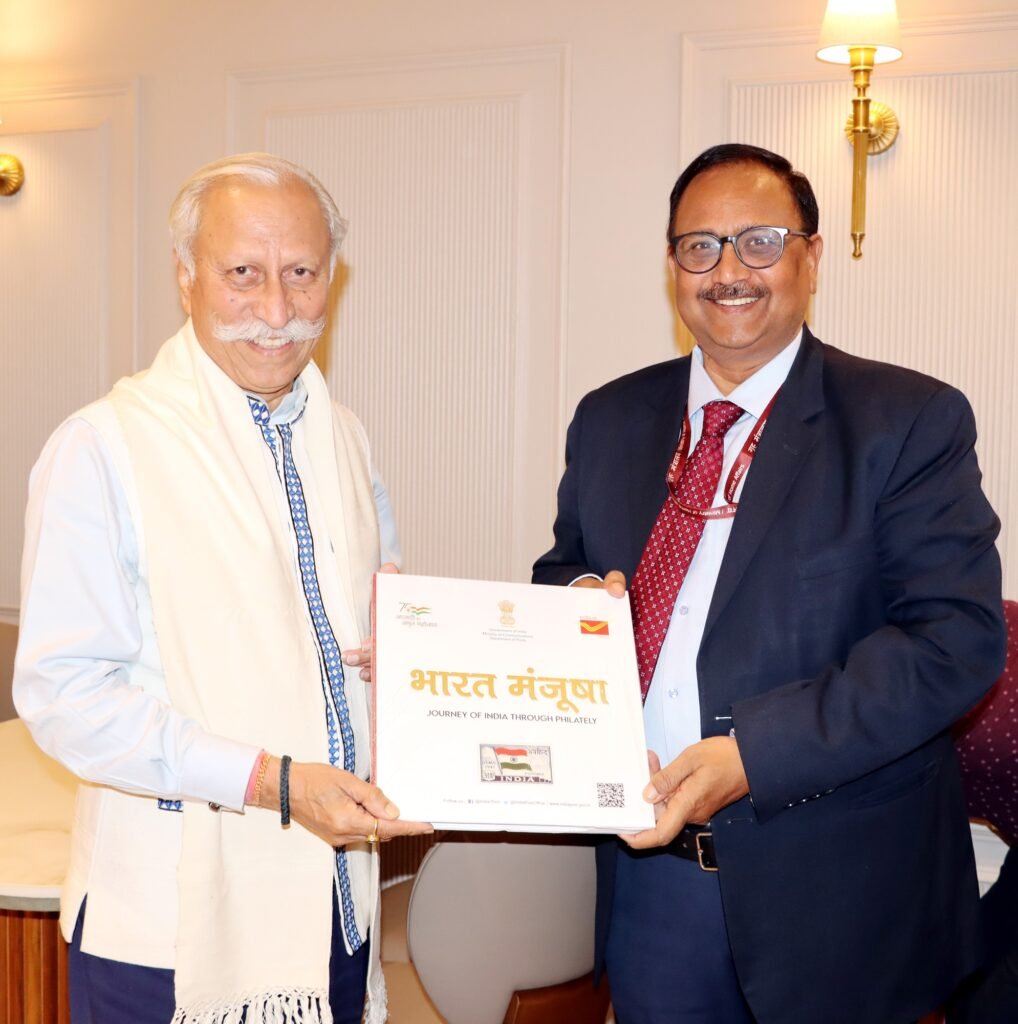
SHILLONG : North-East Circle Chief Postmaster General Rajesh Kumar called on Arunachal Pradesh Governor Lt Gen KT Parnaik (Retd) at Shillong on Thursday and discussed a proposal to issue a series of commemorative postage stamps highlighting the rich heritage, vibrant culture and unique identity of Arunachal Pradesh. During the meeting, Kumar briefed the Governor on the approval process and proposed themes for the stamp series. The themes include the indigenous tribes and traditions of Arunachal Pradesh, heritage sites, rich flora and fauna, Geographical Indication (GI)-tagged indigenous products and traditional handicrafts. The proposed stamps are intended to celebrate and preserve the State’s diverse cultural and natural legacy while promoting greater awareness of its unique identity. A keen philatelist himself, Parnaik welcomed the initiative and noted that postage stamps are far more than postal instruments, describing them as enduring symbols of history, culture and national pride that connect generations and transcend geographical boundaries. He said commemorative stamps dedicated to Arunachal Pradesh would help document the State’s unique story and secure its place in India’s postal heritage. The Governor further observed that such stamps could serve as cultural ambassadors, showcasing Arunachal Pradesh’s traditions, achievements, biodiversity and indigenous wisdom to audiences across the country and abroad. Expressing confidence in the initiative, Parnaik said it would enhance appreciation of the State’s heritage and inspire future generations to value and preserve its cultural legacy. As a gesture of goodwill, Rajesh Kumar presented the Governor with a postage stamp album and a book titled Journey of India through Philately, which the Governor received with appreciation. North-East Circle Director Postal Services KVLN Murty, Assistant Director (Technology/Vigilance) Chintamary Kharmawlong and Assistant Director (Philately) Poreiton Thokchom were also present during the meeting.    

Latest News, Popular News, State News

A3 village sets example in human-elephant conflict mitigation

SEIJOSA :  In a significant community-led conservation initiative, residents of A3 village in East Kameng district have partnered with the World Wide Fund for Nature-India (WWF-India) to install a solar-powered fence aimed at reducing human-elephant conflict and promoting peaceful coexistence between people and wildlife. The initiative was formally launched on World Environment Day during a programme attended by Health & Family Welfare and Water Resources Development Minister Biyuram Wahge, Forest Department officials, WWF-India representatives, community leaders and local residents. Located within the Pakke landscape, A3 village has been facing recurring incidents of crop depredation and property damage caused by elephant movement. The newly installed solar-powered fence is expected to help protect vulnerable areas while ensuring safe passage for elephants through the landscape. Recognising the ecological significance of the area as an important elephant corridor, members of the village also pledged to undertake plantation activities within the corridor to support habitat restoration and improve wildlife connectivity. Speaking on the occasion, Pakke Tiger Reserve Divisional Forest Officer described the community’s acceptance of solar fencing as a major step towards effective conservation and conflict mitigation. He said the initiative undertaken by A3 village could serve as a model for other villages facing similar challenges. WWF-India Landscape Coordinator for Elephant Conservation David Smith noted that the Seijosa landscape has been identified as a hotspot for human-elephant conflict in the recently launched Management Plan for Elephants in Arunachal Pradesh. He stressed the need for coordinated action by communities, institutions and conservation agencies to address the issue effectively. Addressing the gathering, Wahge said that while elephants are highly intelligent animals capable of overcoming barriers, the success of mitigation measures depends largely on active community participation and vigilance. Congratulating the people of A3 village for their proactive approach, he urged other villages to adopt similar measures to promote coexistence and reduce conflict. Earlier in the day, World Environment Day was also marked by a mass plantation drive under the “Ek Ped Maa Ke Naam” campaign organised by the District Administration in collaboration with Pakke Tiger Reserve and the Khellong Forest Division. As part of the initiative, the Forest Department distributed 1,000 saplings to Gram Panchayat members for plantation in their respective villages. The Forest Department appreciated the support extended by the District Administration, WWF-India, public representatives, local communities and frontline staff, stating that collaborative efforts such as those undertaken by A3 village are crucial for ensuring long-term conservation success in the Pakke landscape.            

REGIONAL

Will focus on peace restoration if elected to RS: BJP nominee from Manipur

IMPHAL : BJP candidate for the Rajya Sabha elections, Adhikarimayum Sharda Devi, on Friday said she would first focus on the restoration of peace and resettlement of internally displaced people in restive Manipur, if she is elected to the Upper House of Parliament. Sharda Devi’s comment comes a day after the party nominated her for the June 18 Rajya Sabha elections. The party’s state unit chief also urged the legislators to vote for her and allow her to serve the state. Sharda Devi’s election is almost certain as the BJP has 37 MLAs in the 60-member assembly. “I am deeply humbled and grateful to BJP leaders, including Prime Minister Narendra Modi and party president Nitin Nabin, for giving me the ticket to contest the Rajya Sabha elections from the state,” she said. Sharda Devi, who had served as the national vice president for the party from 2014 to 2016, will file her nomination on June 8. In a post on X, she said, “This nomination is not merely a personal milestone but a solemn responsibility to serve the people of Manipur and contribute towards the vision of a stronger, united, and developed India under the dynamic leadership of Prime Minister Modi.” She pledged to work “tirelessly for the welfare of the people and the progress of our beloved state and the country”. “If elected to the Rajya Sabha, I will focus on and take all the possible steps to restore peace in the state and look into the development requirements,” Sharda Devi said. The BJP candidate also said she would be “doing everything in her capacity to rehabilitate and resettle all the internally displaced people in the state”. More than 260 people have been killed and thousands rendered homeless in ethnic violence between Meiteis and Kuki-Zo groups in Manipur since May 2023. (Source: PTI)    

REGIONAL

Assam cabinet undergoes expansion; 11 BJP MLAs, one AGP legislator sworn in

GUWAHATI : BJP MLAs Ranoj Pegu, Ashok Singhal, Biswajit Daimary and AGP’s Keshab Mahanta were among the 12 legislators who took oath as ministers on Friday as Assam Chief Minister Himanta Biswa Sarma expanded his cabinet, taking the strength of the council of ministers to 17. Governor Lakshman Prasad Acharya administered the oath of office and secrecy to the MLAs at a function at the Jyoti-Bishnu Antarjatik Kala Mandir here. The chief minister, Union ministers Sarbananda Sonowal and Pabitra Margherita, Assam Assembly Speaker Ranjeet Kumar Dass, BJP state president Dilip Saikia and several NDA MLAs were present on the occasion. Among the new faces in the cabinet are BJP’s Ashwini Ray Sarkar, Nandini Devi and Sushanta Borgohain. AGP’s Mahanta, who was in Himanta Biswa Sarma’s previous cabinet, was included in the new council of ministers. BJP MLAs Bimal Borah, Jayant Mallabaruah, Kaushik Rai, Krishnendu Paul and Pijush Hazarika, who took the oath, had also served as ministers in the previous Himanta Biswa Sarma government. Rai took the oath in Hindi and all others in the Assamese language. The strength of the Assam cabinet will now be 17, including the CM, with four other ministers sworn in on May 12. The optimal strength of the state cabinet is 19 in the 126-member Assam assembly. The ministers sworn in earlier are AGP’s Atul Bora, BPF’s Charan Boro and BJP’s Ajanta Neog and Rameshwar Teli. The new cabinet will have 13 BJP ministers, two from the AGP and one from BPF. Neog and Nilima Devi are the two women ministers in the cabinet, and the number remains the same as in the previous cabinet. The expanded ministry represents several ethnic communities and geographical regions. There are two representatives, Kaushik Rai and Krishnendu Paul, from the Barak Valley, while BPF’s Boro and BJP’s Daimary belong to the Bodo community. Besides, Pegu is from the Mising tribe, Ray Sarkar from the Koch Rajbongshi and Borgohain from the Ahom community. Borgohain, along with Borah, is from upper Assam, Singhal from the northern part of the state, Pijush Hazarika from central Assam and Mallabaruah from lower Assam. Sarma was sworn in as the chief minister along with four ministers on May 12. The NDA won a record 102 seats in the 126-member assembly, including 82 from the BJP. The BJP allies, the Asom Gana Parishad (AGP) and the Bodoland People’s Front (BPF), bagged 10 seats each. (Source: PTI)    

REGIONAL

Sikkim CM pushes for organic farming, infra and highway solutions at Shillong NEC meet

GANGTOK : Sikkim Chief Minister Prem Singh Tamang highlighted the state’s key development priorities, including organic agriculture, infrastructure, tourism and connectivity, during the 73rd Plenary Meeting of the North Eastern Council held in Meghalaya’s capital Shillong, an official statement said on Friday. The meeting held on Thursday was chaired by Union Home Minister and NEC chairman Amit Shah and was attended by Union Minister for Development of North Eastern Region (DoNER) Jyotiraditya M. Scindia, governors and chief ministers of the northeastern states. According to the statement, Tamang in his address said Sikkim’s development agenda is aligned with the vision of Viksit Bharat 2047 and focuses on sectors such as organic farming, education, skill development, MSMEs, innovation, tourism and infrastructure. He stressed the need to strengthen agricultural value chains and market linkages across the Northeast and sought continuation of the Mission Organic Value Chain Development for North Eastern Region (MOVCDNER) scheme to sustain the momentum of organic farming. The CM also requested the Centre to extend the benefits of the North East Industrial and Investment Promotion Policy (NEIIPP) beyond 2027 to support industrial growth and investment in the region, it said. The statemnt said that as convenor of the High-Level Task Force on Agriculture and Horticulture for Addressing Gaps in Value Chains and Market Linkages in the North Eastern Region, Tamang presented the task force’s recommendations aimed at improving market access, boosting agricultural productivity, promoting value addition and ensuring sustainable growth in the agriculture and horticulture sectors. It said that Tamang raised concerns over recurring flash floods in the state and pressed for a permanent solution to connectivity issues along National Highway 10, the state’s lifeline. Tamang also urged the early completion of key road, rail, air and digital infrastructure projects and sought immediate restoration measures for the Chungthang-Lachen road damaged in the Tarum Chu area of North Sikkim, the statement said. The CM said the deliberations reflected a shared commitment among northeastern states and the Centre towards promoting sustainable and inclusive development across the region, it said. (Source: PTI)    

REGIONAL

Women from SHGs plant over one crore saplings in Assam

GUWAHATI : Women from Self Help Groups (SHGs) in Assam created a record by planting over one crore saplings across the state on the occasion of World Environment Day on Friday, Chief Minister Himanta Biswa Sarma said. Sarma, in a social media post, said that Assam achieved a historic milestone with the planting of 1.02 crore saplings in just eight hours. ”In just over 8 hours, over 1.02 crore saplings have been planted by the people, in an effort led by Assam’s enterprising #NariShakti, setting a new record in our green efforts. Compliments to all my sisters for achieving this feat”, Sarma posted in X. The Chief Minister’s Office in another post said that on the occasion of World Environment Day, ”women from SHGs and the public enthusiastically responded to the call of HCM Dr @himantabiswa to plant 1 crore saplings across Assam as part of a statewide green initiative”. Governor Lakshman Prasad Acharya also joined the nationwide observance of World Environment Day by planting saplings at Jyoti Bishnu Antarjatik Kala Mandir in Guwahati, where the oath-taking ceremony for 12 ministers took place earlier in the day. Acharya urged citizens to actively contribute to increasing green cover and protecting the environment for the well-being of present and future generations. Referring to this year’s theme, “Inspired by Nature for Climate, for Future,” he emphasised that safeguarding nature is essential for addressing climate challenges and ensuring a sustainable future. The governor also called upon people from all walks of life to adopt environmentally responsible practices and participate in afforestation initiatives, noting that every sapling planted today is an investment for a healthier and greener tomorrow. The chief minister had also planted a sapling at the same venue after the oath-taking ceremony. (Source: PTI)

Editorial

The OSM disaster: How students were let down

India’s education establishment has a peculiar relationship with reform: it announces it loudly, implements it hastily, and then retreats into silence when things go wrong. The CBSE OSM controversy of 2026 is only the latest — and perhaps the most damaging — example of this pattern. When CBSE introduced On-Screen Marking for Class 12 board examinations this year, it presented it as a leap into transparency and modernity. Answer scripts would be scanned, uploaded to a secure portal, and evaluated digitally by teachers from their own schools — no more physical transport, no totalling errors, no delays. The pitch was impeccable. The execution was not. What unfolded after results were declared on May 13 was, by any measure, a crisis. Students reported shockingly low marks that bore no resemblance to their preparation or performance. Many answer sheets had been scanned with blurred or illegible images, making fair evaluation almost impossible. The re-evaluation portal malfunctioned under load. Teachers, already struggling with a system they had barely trained on — in some cases for just one week — reported screen fatigue, repeated corrections, and mounting anxiety during the high-stakes evaluation period. The rot, it turns out, ran deeper. The OSM contract was reportedly awarded to Hyderabad-based Coempt Edu Teck — the lowest bidder — over more established players. A 19-year-old cybersecurity researcher then publicly disclosed multiple critical vulnerabilities in the OSM portal, including the potential for unauthorised access to examiner accounts and modification of marks. He had reported these to CERT-In in February; most remained unpatched by May. Meanwhile, teachers in Delhi were issued show-cause notices when Class 12 results slumped at the national level — effectively penalising educators for failures that were structural. To compound matters, CBSE had simultaneously abolished post-result verification of marks for Class 12 — the very safety net that would have allowed aggrieved students a formal recourse. The way out demands more than an apology. First, CBSE must immediately restore the right to post-result verification and process all pending re-evaluation requests free of cost, given that the fiasco was institutional rather than student-driven. Second, an independent technical audit of the entire OSM process — from scanning hubs to examiner interfaces to data security — must be commissioned and made public. Third, accountability must reach the decision-makers who overrode teacher warnings, not just the vendor. And fourth, any further expansion of OSM must follow genuine piloting, rigorous teacher training, and independent security certification. The implications for children are not abstract. Class 12 scores determine college admissions, scholarship eligibility, and in many Indian families, the entire arc of a young person’s life. A wrongly awarded mark — whether too low due to a blurred scan or tampered by a security breach — is not a statistical error. It is a stolen opportunity.   CBSE owes its 1.8 million Class 12 students not just answers, but justice. (Source: The Pioneer)  

Latest News, Popular News, State News

ICR administration seals unauthorised mosques after verification drive

Staff Reporter ITANAGAR : The Itanagar Capital Region (ICR) administration has sealed a number of unauthorised Jama Masjids and mosques operating within the capital region after they allegedly failed to comply with statutory and regulatory requirements despite repeated notices and opportunities provided by the authorities. The development was disclosed by Arunachal Pradesh Government spokesperson and Education Minister Pasang Dorjee Sona while briefing reporters at the Civil Secretariat here on Thursday. According to an official report submitted to the Principal Secretary (Home), the action followed a memorandum submitted by the Arunachal Pradesh Indigenous Youth Organisation (APIYO), which alleged that several Jama Masjids and mosques were functioning without obtaining the requisite permissions and statutory approvals from the competent authorities. Following the complaint, the Itanagar Assistant Commissioner initiated a verification exercise and directed the management committees of the institutions concerned to furnish documents relating to registration, land ownership, building permissions, development approvals and other statutory clearances required for lawful establishment and operation. Sona said the administration had issued an order on January 30 directing the institutions to submit the required documents within the stipulated period. However, despite being given adequate opportunities, they reportedly failed to furnish satisfactory records establishing compliance with applicable laws and regulations. Upon completion of the verification process, the administration found that the institutions had not produced valid documentation to meet the prescribed legal requirements. Consequently, a notice issued on May 28 directed the institutions to obtain registration from the competent authorities, secure necessary building and development permissions, and suspend all construction and religious activities until compliance was achieved. The notice also warned that failure to comply within the prescribed period would result in sealing of the establishments without further notice. After the deadline expired, the administration found that the directions had not been complied with. Accordingly, the Itanagar Assistant Commissioner carried out the sealing of the identified establishments on Thursday in the presence of police personnel and in accordance with due legal procedure, Sona said. He added that the operation was conducted peacefully without any law-and-order issues, with adequate security arrangements put in place to ensure smooth execution of the exercise. Referring to APIYO’s proposed 24-hour capital bandh, Sona said the organisation’s demands had already been addressed by the administration before the expiry of its ultimatum. He therefore urged the organisation to withdraw the proposed shutdown in the larger interest of maintaining peace and normalcy in the capital region. APIYO had earlier served a seven-day ultimatum on the state government seeking action against several Jama Masjids and mosques allegedly operating in the ICR without the required permissions, registrations and statutory approvals.