ONLINE AGE

(Online version of the Arunachal Age newspaper)

Author name: OnlineAge

REGIONAL

Tripura govt cancels summer vacation in colleges

AGARTALA : The Tripura government has cancelled the 26-day summer vacation in all the state-run colleges, including technical and professional institutions, an official said on Friday. The vacation was scheduled to commence on May 25. “In the interest of the students, summer vacation for 26 days for all colleges, technical and professional institutions under the department’s control, scheduled from May 26, is hereby withdrawn,” Higher Education Director Animesh Debbarma said in a notification. The colleges will remain open during the period for all academic activities like the admission process for session 2026-27, even semester examinations and administrative activities, it said. “Since the colleges will remain open and academic and administrative activities will be conducted during the summer vacation period, the faculty members and staff working in the colleges will receive 26 days of Earned Leave,” the notification said. According to Debbarma, the state government has already implemented the National Education Policy (NEP), which leaves little scope for summer vacation because the courses are now based on the semester system. “This is one of the major reasons for the cancellation of summer vacation”, he said. Currently, Tripura has 22 state-run general degree colleges. (Source: PTI)  

Latest News, Popular News, State News

AAPSU urges govt to fill teacher vacancies, upgrade school infrastructure

ITANAGAR : The All Arunachal Pradesh Students’ Union (AAPSU) has urged the state government to immediately fill teacher vacancies and undertake large-scale upgradation of school infrastructure across Arunachal Pradesh. A delegation of the union, led by president Meje Taku and general secretary Mato Bui, called on Education Minister P D Sona here on Wednesday and submitted a 27-point memorandum seeking reforms across school, college and university education in the state. Focusing primarily on school education, AAPSU said around 52 government schools — out of 109 higher secondary and 189 secondary schools — are functioning without regular principals or vice principals. The union said prolonged in-charge arrangements have affected academic and administrative functioning and demanded immediate appointment of principals, vice principals and headmasters on a time-bound basis. AAPSU also sought a state-wide recruitment drive to fill vacancies of Primary Teachers (PRT), Trained Graduate Teachers (TGT) and Post Graduate Teachers (PGT), stating that every child has a constitutional right to access qualified teachers. The union further raised concern over the absence of Physical Education and Music teachers in government schools, citing provisions of the National Education Policy (NEP) 2020 and the Right to Education (RTE) Act, 2009. Seeking improvement in basic educational facilities, AAPSU demanded a comprehensive infrastructure revamp in government schools, particularly in border and remote areas. It also called for strict implementation of the RTE Act, regular delivery of mid-day meals, free textbooks and uniforms, and introduction of a uniform fee structure in government schools to prevent arbitrary fee collection. At the higher education level, the union demanded recruitment to vacant Assistant Professor and Associate Professor posts in government degree colleges and sought introduction of new academic departments in colleges where several disciplines are unavailable. AAPSU also pressed for appointment of regular Vice Chancellors at Arunachal Pradesh University (APU), Pasighat, and Rajiv Gandhi University (RGU), Doimukh, besides seeking expansion of infrastructure, hostel facilities and faculty strength in higher educational institutions. The union further appealed to the government to address delays in disbursement of Umbrella Scholarships, stating that many students studying outside the state face financial hardship due to irregular release of scholarship funds. Education Minister P D Sona assured the delegation that the issues raised would receive due attention. AAPSU said it would continue to follow up on the demands and expect time-bound action from the government.    

Latest News, Popular News, State News

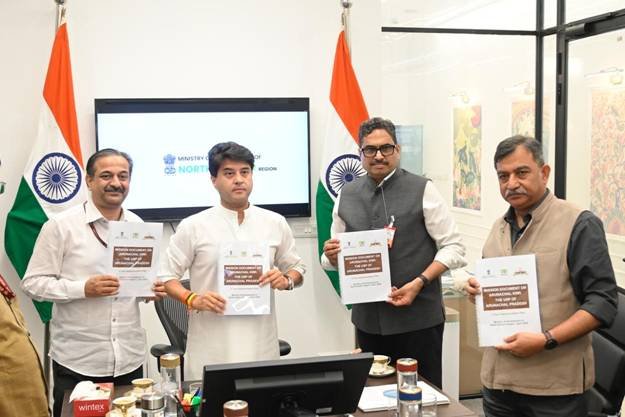
‘Mission Kiwi’ to power Arunachal farmers: Mein

     ITANAGAR : Deputy Chief Minister Chowna Mein on Thursday hailed the launch of ”Mission Arunachal Kiwi: The USP of Arunachal Pradesh” as a transformative initiative aimed at empowering farmers and building a globally competitive organic kiwi ecosystem in the state. Mein said the mission would strengthen the entire kiwi value chain, from cultivation and post-harvest management to branding, exports and agri-tourism, while opening up new economic opportunities for farmers of the state. ”The launch of Mission Arunachal Kiwi: The USP of Arunachal Pradesh marks a transformative step towards empowering our farmers and building a globally competitive organic kiwi ecosystem from Arunachal Pradesh,” he said in a post on X. Highlighting the Centre’s support for the initiative, Mein said the mission has been launched under the ”visionary leadership” of Prime Minister Narendra Modi and with the guidance of Union minister Jyotiraditya Scindia. ”With the visionary leadership of Hon’ble Prime Minister Shri Narendra Modi ji and the guidance of Hon’ble Union Minister Shri Jyotiraditya M Scindia ji, this mission will strengthen the entire kiwi value chain from cultivation and post-harvest management to branding, export and agri-tourism,” Mein said. The deputy chief minister observed that Arunachal Pradesh already contributes more than 50 per cent of India’s kiwi production and said the convergence-driven initiative would help farmers gain better infrastructure, improved market access and higher value realisation. ”Through this convergence-driven initiative, our kiwi farmers will now gain better infrastructure, improved market access, enhanced value realisation and new global opportunities,” he said. Mein further expressed confidence that ‘Arunachal Organic Kiwi’ would soon emerge as an international brand representing quality, sustainability and the strength of the state’s farming communities. ”From the orchards of Lower Subansiri, West Kameng, Shi Yomi and Dibang Valley to international markets, Arunachal Organic Kiwi is set to become a proud global brand representing quality, sustainability and the strength of our farming communities,” he added. The mission was officially launched in New Delhi on Wednesday by Union Minister Jyotiraditya Scindia during a programme organised by the Ministry of DoNER in collaboration with the Arunachal Pradesh government and other stakeholders. The initiative aims to promote Arunachal Pradesh as India’s leading hub for organic kiwi cultivation while creating a structured ecosystem for processing, branding and export promotion. Officials said the mission focuses on strengthening the kiwi supply chain through scientific cultivation practices, cold storage facilities, value addition, better logistics and direct market linkages for farmers. It is also expected to promote agri-tourism and encourage private sector investment in the horticulture sector, they said. Arunachal Pradesh has emerged as the country’s largest kiwi-producing state over the years due to its favourable climatic conditions, especially in districts such as Lower Subansiri, West Kameng, Shi Yomi, Tawang and Dibang Valley. (Source: PTI)


Editorial

A flawed prescription for civic failures

Upholding its 2025 ruling on removing stray dogs from public spaces, the Supreme Court of India has now allowed euthanasia of rabid and dangerous dogs in the interest of public health and safety. The original judgment was seen as unrealistic given the massive investment and logistics involved in removing the dogs from spaces such as railway stations, hospitals, and highways, and rehabilitating them. In its latest order, the Court said the dogs picked up from these locations should not be released there even after vaccination and sterilisation. Municipal authorities in the country do not have the personnel for the job or the infrastructure to house these dogs. The Court has told the authorities to adopt legally permissible measures, including euthanasia, in cases of “rabid, incurably ill or demonstrably dangerous or aggressive dogs.” This is effectively a prescription to cull the dogs without discrimination because the Court’s condition that the decision should align with the assessment of qualified veterinary experts is likely to be observed in the breach. It risks entrusting the municipal staff with powers to act as the judge, jury, and executioner – killing the dogs will be seen as a convenient, legitimate response. Notably, the Court observed that there is a “discernible absence of sustained, systematic and incremental efforts to expand and strengthen the infrastructure to manage the dog population.” This situation is likely to remain. The Court ordered the setting up of a fully functional birth control centre in every district, equipped with the requisite infrastructure, trained personnel, and surgical facilities, and proposed an expansion of this setup. There is no clarity on timelines or other details in the directive. But what is certain is that most of the dogs around us will not live to see these centres. In its latest ruling, the apex court seeks to solve a problem created by people and civic authorities. Stray dogs have proliferated because of conditions caused by administrative failings. An effective implementation of the Animal Birth Control (ABC) Rules, 2023, with a firm focus on vaccination and sterilisation, remains the most viable solution to the problem. Public policy should, no doubt, prioritise human health and welfare, but it must also be humane and kind. It should not be hostile to life. It cannot breach the fundamental principle that the earth does not belong to human beings alone. Law and policy, designed around human existence, must not become tools to deny other living beings their rights. (Source: DH)

Latest News, Popular News, State News

ICAR-NEH, Arunachal govt explore collaboration in agri innovation

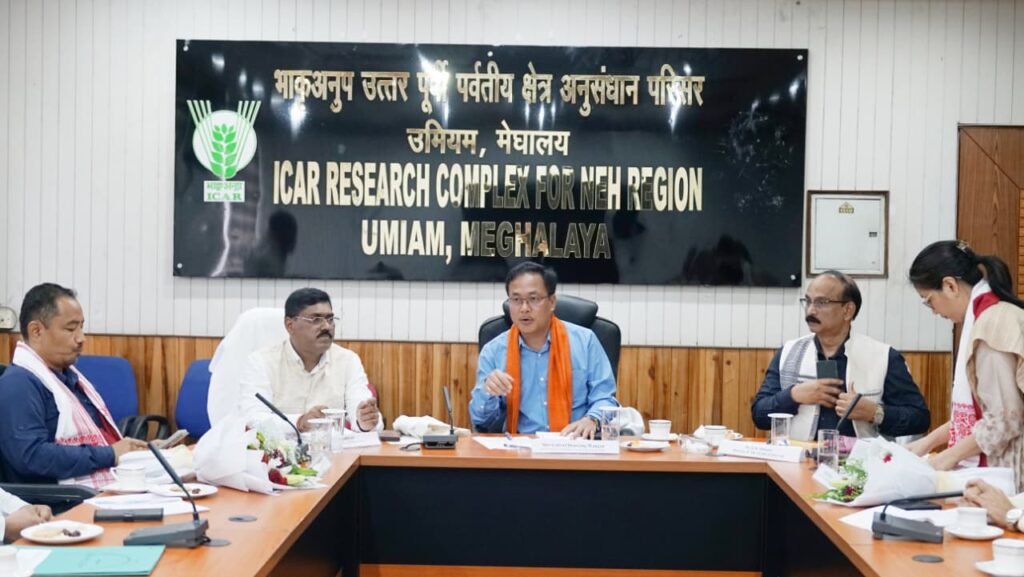
UMIAM : Agriculture and Horticulture Minister Gabriel D Wangsu held extensive deliberations with scientists and officials of the Indian Council of Agricultural Research (ICAR) Research Complex for North Eastern Hill (NEH) Region at Umiam in Meghalaya, focusing on technological interventions and institutional collaboration to strengthen agriculture and allied sectors in the state. Describing the interaction as “highly meaningful,” Wangsu said the discussions centred on addressing key agricultural challenges through scientific innovation, research-based solutions and collaborative initiatives between the Government of Arunachal Pradesh and ICAR institutions. During the meeting, the state delegation sought scientific and technological solutions to several site-specific issues, including the use of small machinery for land terracing and jhumland reclamation, citrus decline and pollination problems in kiwi cultivation. The two sides also explored training and capacity-building initiatives under the Catch Them Young Programme of the agriculture and allied departments to promote agri-business and entrepreneurship among youths. The meeting was attended by the Director of the ICAR Research Complex for NEH Region, the Director of ICAR-Agricultural Technology Application Research Institute (ATARI) Zone VII, senior scientists, researchers and institute officials. Wangsu was accompanied by Agriculture Secretary Samuel Changkija and Agriculture Secretary Koj Rinya. On the second day of the visit, the Minister toured several research and demonstration facilities on the institute campus, including the All India Coordinated Research Project on Pig, Division of Animal and Fisheries Science, Agro-processing Centre, Engineering Section, Farming System Research Project, Integrated Farming System demonstration units and the National Innovations in Climate Resilient Agriculture programme. During the tour, Wangsu interacted with scientists and technical experts and reviewed modern farming technologies and innovations developed for the North Eastern region. Discussions focused on sustainable agriculture, climate-resilient farming practices, integrated farming systems, livestock development, value addition and technology-driven solutions aimed at improving productivity and enhancing farmers’ livelihoods.    

Latest News, Popular News, State News

Arunachal declares all hospital premises tobacco-free zones

ITANAGAR :  The Department of Health and Family Welfare has declared all hospital and healthcare premises across Arunachal Pradesh as strict Tobacco-Free Zones in a major initiative aimed at promoting public health and ensuring a clean and safe healing environment. The directive, issued under the provisions of the Cigarettes and Other Tobacco Products (COTPA) Act, 2003, came into effect from May 19 and applies to all government hospitals, Community Health Centres (CHCs), Primary Health Centres (PHCs), sub-centres, medical colleges and private healthcare institutions across the state. Under the new guidelines, use of all forms of tobacco, including smoking, gutkha, paan masala and chewing tobacco, has been strictly prohibited within hospital premises, including offices, wards, corridors, parking areas, canteens and gardens. The department also reiterated the COTPA provision banning sale and distribution of tobacco products within a 100-yard radius of healthcare institutions. All hospitals have been directed to install prominent “No Tobacco Zone” and “Tobacco Kills” signboards at entry points and other visible locations. The guidelines further mandate placement of collection boxes at entry gates for visitors carrying tobacco products before entering hospital premises. Medical Superintendents and Medical Officers In-Charge of healthcare facilities have been authorised to function as Tobacco Monitors to ensure compliance and report violations. The order also prohibits spitting of tobacco products within hospital campuses, citing the risk of spreading infectious diseases, and makes it clear that no designated smoking areas will be permitted inside healthcare institutions. In addition, district hospitals and medical colleges have been instructed to provide tobacco cessation counselling services and refer patients and staff to District Tobacco Cessation Centres for support in quitting tobacco use. To ensure effective implementation, surprise enforcement drives will be conducted by district administrations and District Tobacco Control Cells. Violators, including staff, patients and visitors, will face penalties and disciplinary action as per law. In a statement, Health and Family Welfare Commissioner Pawan Kumar Sain appealed to citizens and healthcare workers to cooperate in making the initiative successful, stating that maintaining tobacco-free hospitals is essential to reducing exposure to second-hand smoke and promoting overall public wellness.  

Latest News, Popular News, State News

Regional training on malaria elimination verification begins in Namsai

  NAMSAI : A three-day Regional Training on Sub-National Malaria Elimination Verification (SNMEV) began in Namsai on Thursday with participation from 19 districts of Arunachal Pradesh that have maintained zero indigenous malaria cases since 2022. Namsai Deputy Commissioner C R Khampa inaugurated the programme in the presence of National Centre for Vector Borne Disease Control (NCVBDC) Assistant Director Dr Sambit Pradhan, Regional Office of Health and Family Welfare Regional Director Dr Atiqur Rahman, State Programme Officer Dr K T Mulung, Namsai District Medical Officer Dr Sulanti Namchoom, NCVBDC Senior Consultant Dr Kalpana Baruah, programme officers and district consultants. The training aims to prepare districts for Sub-National Malaria Elimination Verification and strengthen efforts to sustain malaria-free status while preventing the re-establishment of malaria transmission. Representatives from all 19 malaria-free districts participated in the programme and discussed strategies for surveillance, monitoring and continued preventive measures. The participating districts included Longding, Kurung Kumey, Kra Daadi, Lower Subansiri, Upper Subansiri, Kamle, Pakke Kessang, Siang, East Siang, West Siang, Lower Siang, Dibang Valley, Lower Dibang Valley, East Kameng, West Kameng, Tawang, Anjaw, Leparada and Namsai. (DIPR)  

Latest News, Popular News, State News

MLA Nabam Vivek donates Bolero to Gumto CO office

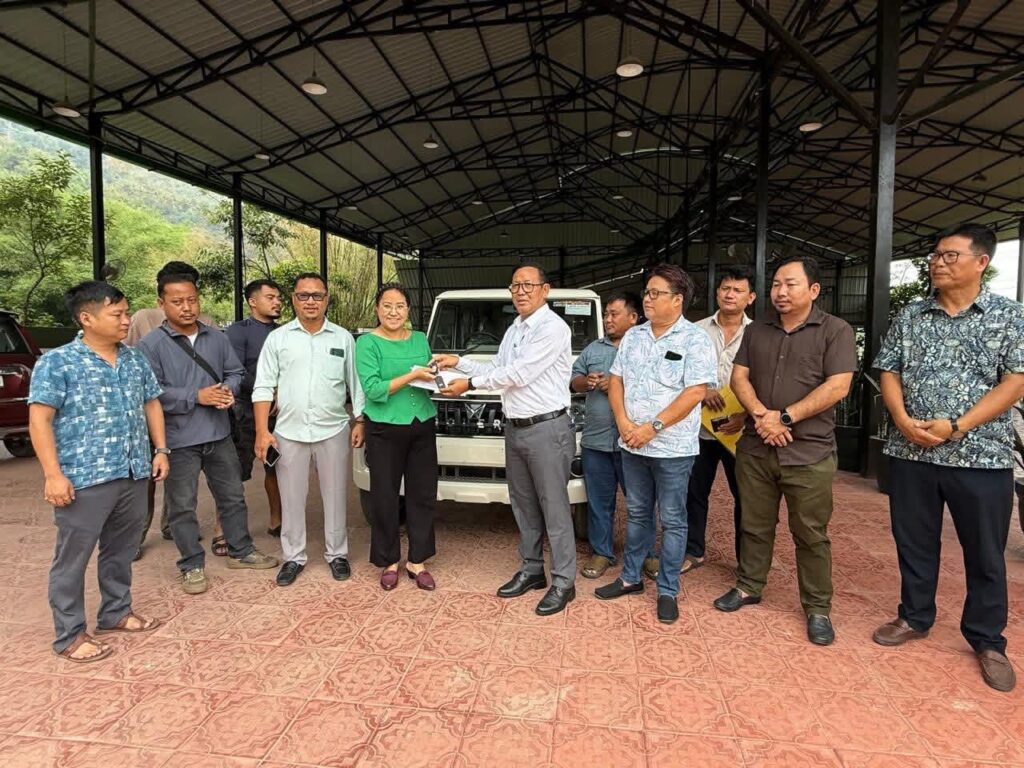
ITANAGAR :  In a move aimed at strengthening grassroots administration and improving public service delivery, Doimukh MLA Nabam Vivek donated a new Bolero vehicle to the Gumto Circle Officer (CO) office from his personal resources. The vehicle was handed over to facilitate official movement and improve administrative functioning, particularly in remote areas requiring regular field visits and public outreach activities. Speaking on the occasion, Vivek said efficient grassroots administration remains a priority and assured continued support to government offices engaged in public welfare activities. He also informed that similar assistance would be extended to the Sangdupota and Taraso circle areas in the near future. Officials of the Gumto CO office expressed gratitude for the contribution and stated that the vehicle would significantly help in carrying out official responsibilities and enhancing service delivery to the public. (DIPR)  

Latest News, Popular News, State News

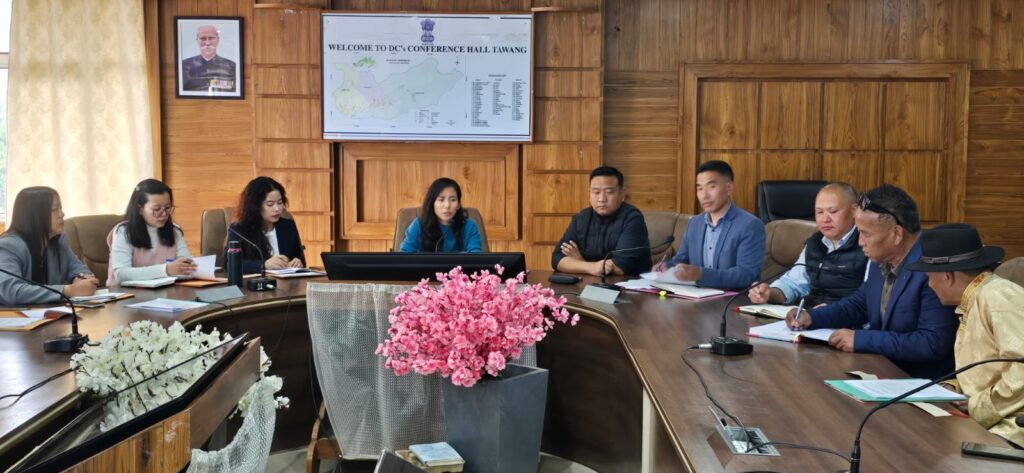
Tawang DEO urges political parties to ensure error-free electoral roll

TAWANG : A coordination meeting on Phase-III of the Special Intensive Revision (SIR) of the electoral roll in Arunachal Pradesh was held at the Deputy Commissioner’s conference hall here on Thursday. The meeting was chaired by Tawang Deputy Commissioner-cum-District Election Officer (DEO) Namgyal Angmo and attended by Electoral Registration Officers (EROs), Assistant Electoral Registration Officers (AEROs) and representatives of various political parties. During the meeting, Assistant Commissioner (Election) Sange Norbu briefed participants on the schedule and roadmap for the revision exercise. He informed that preparatory activities, including training and printing of materials, will be conducted from June 5 to 14. The house-to-house verification drive by Booth Level Officers (BLOs) will be carried out from June 15 to July 14, while the draft electoral roll will be published on July 21. The period for filing claims and objections will continue till August 20, followed by disposal of claims and objections up to September 18. The final electoral roll is scheduled to be published on September 22. Emphasising the importance of accuracy and inclusiveness in the electoral process, Tawang Deputy Commissioner-cum-DEO Namgyal Angmo urged political parties to appoint Booth Level Agents (BLAs) at the earliest and actively participate in the revision exercise to help ensure an error-free electoral roll. The meeting focused on effective coordination and smooth conduct of the SIR exercise, highlighting the collective responsibility of officials and stakeholders in maintaining transparency and integrity in the electoral process. All concerned officials and representatives of political parties were urged to extend full cooperation for timely completion of the revision process in accordance with the schedule notified by the Election Commission of India. (DIPR)    

Latest News, Popular News, State News

Annual Credit Plan 2026-27 launched at Aalo DCC meeting

AALO : A District Consultative Committee (DCC) meeting for the quarter ended March 2026 was held at the Deputy Commissioner’s conference hall here under the chairmanship of Additional Deputy Commissioner (ADC) Mabi Taipodia on Thursday. The meeting was attended by NABARD District Development Manager (DDM) Benjamin Gangte, Heads of Departments of various line departments and branch managers of banks operating in the district. Lead District Manager (LDM) Aalo welcomed the members and highlighted the objectives of the meeting. He presented the performance of banks against Annual Credit Plan targets under Priority Sector, Other Priority Sector and Non-Priority Sector lending, along with the district’s Credit-Deposit (CD) ratio up to March 2026. Bank-wise achievements under various government-sponsored schemes were also reviewed. During the meeting, the Annual Credit Plan for the financial year 2026-27, prepared by the LDM Aalo, was formally launched by ADC Mabi Taipodia. NABARD DDM Benjamin Gangte briefed the members on the objectives and targets of the Potential Linked Credit Plan (PLP) and shared the pre-PLP intimation for the financial year 2027-28. He also handed over a copy of the PLP to the chairperson. District Horticulture Officer requested banks to promptly communicate the acceptance or rejection status of beneficiaries under various schemes and raised concern over recall of some applications even after sanction or approval. District Veterinary Officer urged banks to avoid overlapping loan proposals and ensure early disposal of pending loan cases from previous years. Joint Director of Industries also requested branch managers to regularly update the department on the status of loan proposals forwarded by it, stating that timely reports were necessary for submission to the competent authority. Addressing the meeting, ADC Mabi Taipodia stressed the need for better coordination between banks and government departments for effective implementation of schemes. She advised bankers and the LDM to maintain regular liaison with departments and provide weekly or fortnightly updates on the status of schemes to avoid delays and communication gaps. (DIPR)