


ONLINE AGE

(Online version of the Arunachal Age newspaper)

Author name: OnlineAge

Latest News, Popular News, State News

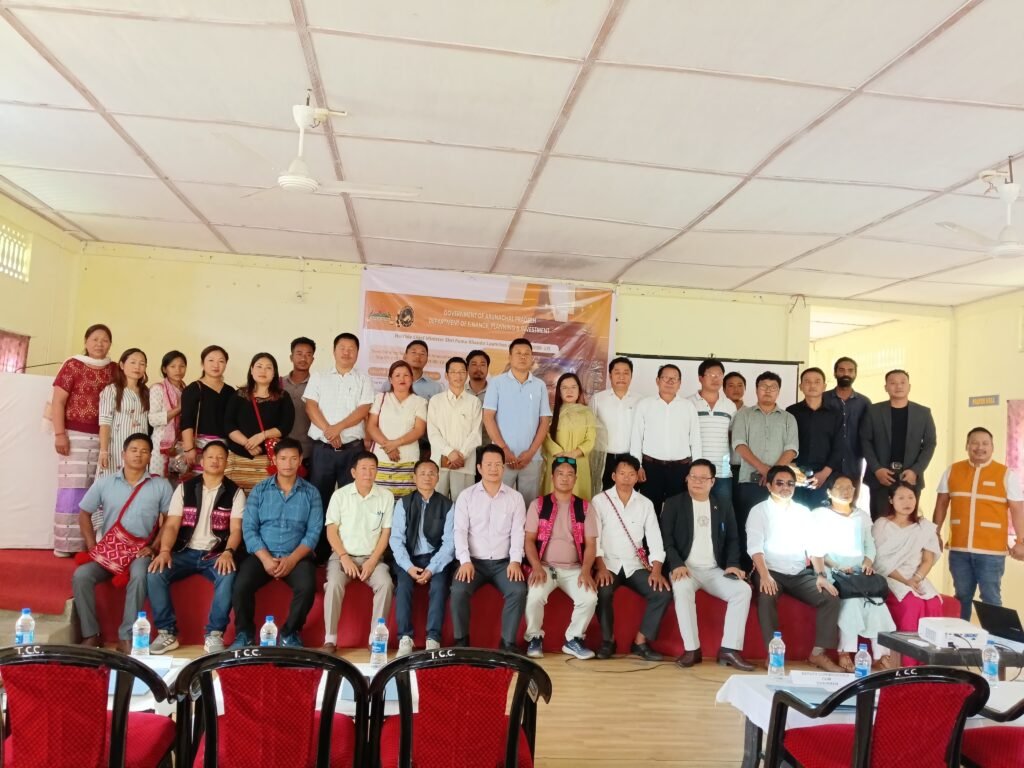
Anjaw administration holds APEDP 5.0 sensitisation meeting

HAWAI : The Anjaw district administration on Tuesday organised an awareness-cum-sensitisation meeting on the Arunachal Pradesh Entrepreneurship Development Programme (APEDP) 5.0 to disseminate information about the flagship entrepreneurship initiative of the state government and encourage wider participation from the district. The programme was attended by Heads of Departments (HoDs), Zilla Parishad Members (ZPMs), Gram Panchayat Chairpersons (GPCs), representatives of Panchayati Raj Institutions (PRIs), Community-Based Organisations (CBOs) and other stakeholders. In his welcome address, Anjaw Sub-Divisional Officer Dakli Gara underscored the importance of fostering an entrepreneurial ecosystem in the district and called upon stakeholders to support deserving youth and innovators through effective grassroots outreach and awareness. A detailed presentation on APEDP 5.0 was delivered by Sidharth D, Assistant Fellow of the Chief Minister’s Mission for Visionary and Vibrant Arunachal Pradesh Fellowship Programme (MMVAPFP). The presentation covered the programme’s objectives, eligibility criteria, application process, incubation support, seed funding provisions and other financial and non-financial benefits available to selected startups. The presentation also highlighted the programme’s focus on innovation, scalability and sustainable enterprise development, while encouraging aspiring entrepreneurs from Anjaw to avail themselves of the opportunity. Participants stressed the need for extensive dissemination of information across the district and called for awareness activities at the circle, block and village levels. Stakeholders were urged to utilise social media, public meetings and community engagement platforms to ensure that potential entrepreneurs, particularly youth in remote areas, are informed about the programme. Constructive suggestions were shared by Hawai North Zilla Parishad Member and Gram Panchayat Chairpersons, who appreciated the initiative and emphasised the need for sustained awareness campaigns to maximise participation from remote regions of the district. Heads of Departments also expressed their commitment to supporting APEDP 5.0 by leveraging departmental networks and field-level engagements to identify and encourage innovative individuals and aspiring entrepreneurs. The meeting concluded with a vote of thanks by Anjaw District Planning Officer Ozing Gao, who appealed for coordinated efforts among government departments, PRI institutions and community stakeholders to ensure that the benefits of APEDP 5.0 reach every eligible youth in the district. Reaffirming its commitment to promoting entrepreneurship as a driver of inclusive economic development, the district administration encouraged eligible innovators and aspiring entrepreneurs to submit their applications under APEDP 5.0 before the deadline of July 20, 2027.      
Latest News, Popular News, State News

West Kameng DLC reviews VVP-II proposals for border villages

BOMDILA : A meeting of the District Level Committee (DLC) on the Vibrant Villages Programme (VVP)-II was held at the Deputy Commissioner’s Conference Hall here on Tuesday to scrutinise and deliberate on project proposals submitted from the Dirang and Kalaktang subdivisions. The meeting was attended by the Superintendent of Police, Bomdila; Heads of Departments of West Kameng district; Sashastra Seema Bal (SSB) Deputy Inspector General, Bomdila; senior officers of various SSB units; Additional Deputy Commissioners (ADCs), Block Development Officers (BDOs) and officials from Dirang and Kalaktang. West Kameng District Planning Officer Henmar Taipodia presented a detailed overview of the status of ongoing projects and proposed interventions under VVP-II. During the deliberations, Heads of Departments provided sector-specific inputs and suggestions for effective formulation, prioritisation and convergence of the proposed projects. Addressing the meeting, West Kameng Deputy Commissioner Dr Dilip Kumar urged all concerned departments to prepare project proposals in strict conformity with the objectives and operational guidelines of VVP-II. He stressed the importance of coordinated and result-oriented efforts, while emphasising the need to ensure land availability and complete all required documentation before project implementation. The DC said the proposed interventions should focus not only on creating essential infrastructure and public amenities but also on promoting community participation and generating sustainable livelihood opportunities for residents of border villages. He observed that targeted developmental initiatives under the programme would help curb outward migration from border areas and encourage reverse migration, thereby strengthening the socio-economic vitality and long-term sustainability of strategically important villages. The meeting concluded with a detailed review of project proposals aimed at accelerating development in border areas under the Vibrant Villages Programme.    

Latest News, National, Popular News, State News

Govt places curbs on Telegram messaging app ahead of NEET-UG re-test

NEW DELHI : The government on Tuesday temporarily restricted access to the Telegram messaging app ahead of the NEET-UG 2026 re-examination, with the National Testing Agency saying the measure was aimed at tackling cheating rackets. The Ministry of Electronics and Information Technology (MeitY), acting on recommendations made by the National Testing Agency (NTA), has issued a direction under Section 69A of the Information Technology Act, 2000, restricting access to the Telegram platform in India for a defined and limited period ending June 22, 2026 covering the day of the NEET (UG) 2026 re-examination and its immediate aftermath. A separate direction requires Telegram to disable in India the message-editing feature for already-posted messages for a defined period ending June 30, 2026 addressing the specific structural feature through which the platform has been used to fabricate after-the-event “paper leak” evidence in respect of national examinations, the NTA said in a statement. “Both measures have been taken in the interest of public order, in response to the organised use of the platform by cheating rackets to defraud candidates appearing for the NEET (UG) 2026 re-examination scheduled on 21 June 2026,” the NTA said. The agency expressed its gratitude to MeitY for what it described as a “timely action” taken in the interest of students and said it would help ensure the conduct of “safe and secure examinations” on June 21. The medical-entrance examination held on May 3 was cancelled amidst allegations of irregularities, leaving lakhs of aspirants in despair. The re-test is scheduled to be held on June 21. (Source: PTI)      

REGIONAL

Modi govt views Northeast as ‘Ashtalakshmi’, says Union minister Margherita

KOHIMA : Union minister Pabitra Margherita on Tuesday said the Narendra Modi-led government considers the Northeast as the country’s ‘Ashtalakshmi’ and has prioritised the region’s development through sustained investments in infrastructure, connectivity and welfare programmes over the past 12 years. Addressing a press conference at the BJP Nagaland state headquarters here to mark 12 years of the NDA government, Margherita said the region has witnessed unprecedented attention under Modi, who has repeatedly described the region as a key driver of India’s growth story. Margherita, the minister of state for external affairs and textiles, said the Centre’s commitment to the Northeast is reflected in improved connectivity, expanded welfare coverage and increased financial support to the region. According to him, the region has recorded significant progress in road, rail, air and digital connectivity, alongside investments in healthcare, education, tourism and entrepreneurship. Turning to Nagaland, Margherita said the state has been a major beneficiary of the Centre’s development initiatives and welfare schemes. He highlighted investments in infrastructure, tourism, handloom and handicrafts, as well as enhanced fiscal support to the state. Under the North East Special Infrastructure Development Scheme (NESIDS), he said 17 road projects worth about Rs 900 crore and 146 infrastructure projects valued at nearly Rs 1,489 crore have been approved for the state since the scheme’s inception. The minister also pointed to the role of the ministry of textiles in supporting the Handloom and Handicrafts Complex at Kisama Heritage Village, which serves as a platform for local artisans and weavers to showcase and market their products. Margherita said the Centre is working to connect artisans from Nagaland to national and international markets through digital platforms and major textile exhibitions such as Bharat Tex. He noted that traditional Naga handloom products have gained visibility at national events, creating new opportunities for local weavers and entrepreneurs. Highlighting the state’s tourism potential, he said the state’s rich cultural heritage, biodiversity, cuisine and natural landscapes place it in a strong position to attract investment and visitors. He added that the Centre and state government are working together to promote tourism and create sustainable livelihood opportunities. Referring to the Hornbill Festival, he said the event has evolved into a major attraction that draws visitors from across the country and abroad. He added that digital marketing platforms introduced by the Centre are helping artisans and weavers from remote areas access wider markets. On financial assistance, Margherita said tax devolution to Nagaland increased from Rs 5,405 crore during 2004-2014 to more than Rs 59,327 crore since 2014. He said grants and other forms of central support have also risen substantially, reflecting the Centre’s commitment to the state’s development. He further noted that Kohima’s inclusion under the Smart City Mission and investments in connectivity projects are contributing to urban development and economic growth in the state. The minister further outlined the impact of flagship welfare schemes in the state. He said more than 4.13 lakh Jan Dhan accounts have been opened in the state, over 7.7 lakh Ayushman Bharat cards issued, and more than 1.22 lakh LPG connections provided under the Pradhan Mantri Ujjwala Yojana. He added that over 3.42 lakh rural households have received tap water connections under the Jal Jeevan Mission.   According to Margherita, around 14 lakh beneficiaries in the state are covered under the Pradhan Mantri Garib Kalyan Anna Yojana, while more than 1.8 lakh farmers have benefited from assistance under PM-KISAN. He maintained that the development witnessed in Nagaland over the past decade reflects the Centre’s broader vision for the Northeast as India’s ‘Ashtalakshmi’ and growth engine. He reaffirmed the government’s commitment to supporting the state’s progress through continued investments in infrastructure, welfare and economic development. “The government of India will continue to work closely with the people of Nagaland to unlock the state’s full potential and ensure inclusive growth,” Margherita said. (Source: PTI)  

REGIONAL

3 minors detained in Assam for ‘gangrape and murder’ of 10-year-old girl: Police

BARPETA : Assam Police has detained three boys for allegedly raping and murdering a 10-year-old girl in Barpeta district, an official said on Tuesday. The incident took place in the district’s Baghbar area on Monday, when the victim was returning from school, he said. Barpeta additional superintendent of police (ASP) Sameeran Baishya said the girl was returning home from school early as she was feeling unwell. “On the way, the accused dragged her into a jute field and gangraped her. Then they strangled her to death at the spot and left the body in the field,” he said. When the girl did not return home till evening, the family informed police and the body was recovered from the field by a police team later in the night. “The three boys have been detained after initial investigation,” the ASP said. “Further investigation is on, and more details will be shared later,” Baishya added. (Source: PTI)    

REGIONAL

CBSE textbook brings back memories of raising rescued civet cub by Assam family

NAGAON : For most teenagers, school textbooks are unlikely places to find personal memories. But for Assam’s Giban Saikia, a chapter in his Class 10 textbook opened a window to a forgotten chapter of his life, which depicts the rescue story of an orphaned civet cub and how it was raised as a family member. A civet is a small and mostly nocturnal mammal native to tropical Asia and Africa, especially the tropical forests. The memories came rushing back to young Giban of central Assam’s Nagaon district as he read through ‘Baby Bhakat’, a chapter in his English textbook. Recalling the incident, Giban’s father Dharani Saikia said, “It was in 2009. I received information that a 10-day-old cub of a civet (locally called ‘Jahamal’) had fallen down from its nest on the premises of a neighbour’s house. As there was no one to look after it, I decided to bring the animal home.” Saikia is known for his love for nature and wildlife in Kampur area of the district, and he is approached by people in such matters. Initially unsure on what to feed the cub, Saikia’s wife Anjali decided to raise it on her own milk along with Giban, who was a six-month-old infant back then. The cub, whom they named ‘Bhakat’, grew up with Giban and his elder brother Pulin – eating, playing and even sleeping with them. After spending about eight months with the Saikia family, ‘Bhakat’ suddenly disappeared from the household. The civet cub’s stay with the Saikia family was documented by photojournalist Rommel Shunmugam, which found its way into the CBSE English textbook for Class 10. The chapter, ‘Baby Bhakat’, has been included since the 2024-25 session. “We hope that this will inspire young students to love nature and wildlife, and help in whatever way they can,” Saikia said. (Source: PTI)    

REGIONAL

Nagaland University study highlights role of indigenous knowledge in sustainable farming

KOHIMA : A study by Nagaland University has highlighted how indigenous knowledge sustains terrace farming among Angami Nagas, with the institute saying the findings would help support national efforts towards food security and sustainable agriculture. The central university, in a release, said the use of ecological indicators for agricultural planning and the deep integration of farming with cultural traditions of the community have also been found in the new research. “A Nagaland University study has generated new insights into how traditional knowledge continues to guide and facilitate terrace farming among the Angami Naga population. It presents significant lessons in sustainable agriculture and food security,” it said. The findings of the study will also support national efforts towards food security and sustainable agriculture, the university said. Furthermore, the results of this study may also help implement development policies and projects that would otherwise hinder indigenous people from using their culturally sensitive agricultural methods. The findings of the study, published in the Sage journal, are based on doctoral research work conducted by Ketekhoto Neihu under the supervision of Srikanth Yamsani, Assistant Professor at the Tribal Research Centre, Department of Sociology. Commenting on the research finding, Nagaland University Vice-Chancellor Jagadish Kumar Patnaik, said, “The study highlights how traditional wisdom continues to sustain agricultural productivity, ecological balance and community resilience in the hill landscapes of Nagaland.” The findings showed that the sustainability of Angami terrace cultivation rests on the harmonious integration of ecological practices, social cooperation and cultural traditions, he added. “At a time when the world is seeking sustainable and climate-resilient agricultural solutions, such research underscores the relevance of indigenous knowledge systems and the importance of documenting, preserving and learning from them,” Patnaik said. Unlike previous studies, which focused on the technicalities of terrace farming, the present study goes deeper into the underlying social, cultural and ecological knowledge system that supports the practice. “The study provides valuable insights into the sophisticated methods of soil and water management developed by the Angami community over generations, the use of ecological indicators in agricultural planning, and the deep cultural values embedded within farming practices,” Patnaik said. It demonstrated that indigenous knowledge is not merely a legacy of the past but a living system that contributes significantly to sustainable development and environmental stewardship, he added. Talking about the significance of the research, lead researcher Srikanth Yamsani said, “Our study found that the Angami Naga population continues to practice farming in close association with cycles and signs of nature. Farmers plant, transplant, and harvest using clues like plant bloom times, bird habits and insects.” While these forms of agricultural practice are still strong, it is important to point out the new challenges being faced by farmers, such as changing patterns of rainfall and climate variability, he added. Northeast India has diverse farming practices due to its varied agro-climatic zones and indigenous traditions that are deeply rooted in society. (Source: PTI)          

Editorial

G7 Summit: Yet another bid to reset world order

There is a certain poetry in the setting. The Group of Seven, born out of oil shocks in 1975, reconvenes in Évian-les-Bains, France, from June 15 to 17, in a year marked by geopolitical fragmentation, and renewed questions about the role of the forum itself. The anxieties may be the same as fifty years ago, but the stage has become far more complex. France has carefully constructed its summit priorities around addressing macroeconomic imbalances, strengthening economic security and critical mineral supply chains, and reforming international development partnerships. President Macron has been unusually ambitious in his G7 presidency, seeking to push the grouping beyond its traditional comfort zones. He has invited Chinese representatives to a video call to address global imbalances — a bold move that signals Paris’s desire for genuine multilateralism rather than performative solidarity. Artificial intelligence is high on the G7 agenda, and Macron’s decision to invite OpenAI’s Sam Altman to summit discussions underlines his intent to position France as Europe’s AI powerhouse. Trade tensions, energy insecurity, sovereign debt crises, and the fallout from the Iran war are all expected to be on the table. The attendance of President Donald Trump, however, adds its own layer of uncertainty to the summit’s outcome. Trump’s transactional instincts and scepticism of multilateral frameworks have a way of rewriting summit scripts. France also wants to put dialogue, crisis-response, and renewed multilateralism at the heart of its G7 presidency, themes that sound aspirational given today’s fractured world order. The Iran crisis, West Asia, and the security of commercial shipping lanes will inevitably dominate back-corridor conversations. Among the most anticipated moments of the summit is what will transpire on its sidelines between Prime Minister Narendra Modi and President Trump. The talks will be the first in-person meeting between Modi and Trump. The backdrop is complicated. India-US ties have faced occasional friction over trade policies, India’s purchases of Russian oil despite the personal bonhomie between the two leaders. New Delhi has bristled at the last claim in particular, viewing it as an overreach. Trump, meanwhile, congratulated Modi on becoming India’s longest-serving elected Prime Minister, reflecting his personal rapport with him. The two leaders are expected to discuss the stalled India-US trade framework, with New Delhi eager to reduce the tariff burden on Indian exports. Yet the ghost of last year’s Canada G7 looms — when Modi arrived ready to negotiate, only for Trump to leave the summit early.  Modi’s visit is expected to reinforce New Delhi’s efforts to position itself as a leading voice of the Global South and an influential stakeholder in shaping future rules around artificial intelligence, economic cooperation, and sustainable development. That is a long-term diplomatic investment worth far more than any single meeting. Évian may not resolve the world’s crises. But how the leaders navigate their disagreements — and what Modi and Trump signal to each other behind closed doors — will be crucial for Indian subcontinent. (Source: The Pioneer)  

Latest News, Popular News, State News

NIIS seeks repeal of APFRA, removal of ‘Yullo’ from Nyokum references

Staff Reporter ITANAGAR :  The Nyishi Indigenous Identity Society (NIIS) has urged the state government to repeal the Arunachal Pradesh Freedom of Religion Act (APFRA), 1978, and remove the suffix “Yullo” from all official references to the Nyokum Festival, claiming that the addition does not enjoy broad-based consensus within the community. Addressing a press conference at the Arunachal Press Club here on Monday, NIIS president Dr Gyamar Tana said the organisation had submitted a representation to Chief Minister Pema Khandu outlining concerns that it believes have implications for communal harmony and social cohesion in the state. Copies of the memorandum have also been forwarded to the Department of Indigenous Affairs. On the APFRA, Tana said the legislation had remained largely dormant for decades, but recent developments relating to the framing and implementation of its rules have generated widespread debate among various sections of society. He contended that enforcing the law could create social divisions rather than strengthen peace and harmony. The organisation appealed to the government to take steps towards repealing the Act in the larger interest of maintaining unity, mutual respect and social harmony among the people of Arunachal Pradesh. The NIIS also objected to the use of the term “Nyokum Yullo” in official communications. Referring to a notification issued by the Department of Indigenous Affairs on March 9, 2024, Tana said the festival has traditionally been recognised as “Nyokum Festival” and alleged that the addition of the suffix “Yullo” was made without adequate consultation with stakeholders. According to the organisation, Nyokum is celebrated by members of the Nyishi community irrespective of religious affiliation and has long served as a unifying cultural festival. While acknowledging the ritual significance of the term “Yullo” in certain traditional practices, NIIS maintained that it is not universally accepted as part of the festival’s official name. Tana further alleged that the decision was taken without consensus among key stakeholders, including community organisations, cultural bodies, religious groups and other representative institutions of the Nyishi community. The organisation demanded that the government delete the suffix from all official references, withdraw the notification endorsing its use and restore the nomenclature “Nyokum Festival” in all government records and communications. Expressing hope that the government would give due consideration to the issues raised, Tana said addressing the concerns would help preserve social harmony and unity. He added that failure to act could lead to growing public dissatisfaction.      

Latest News, Popular News, State News

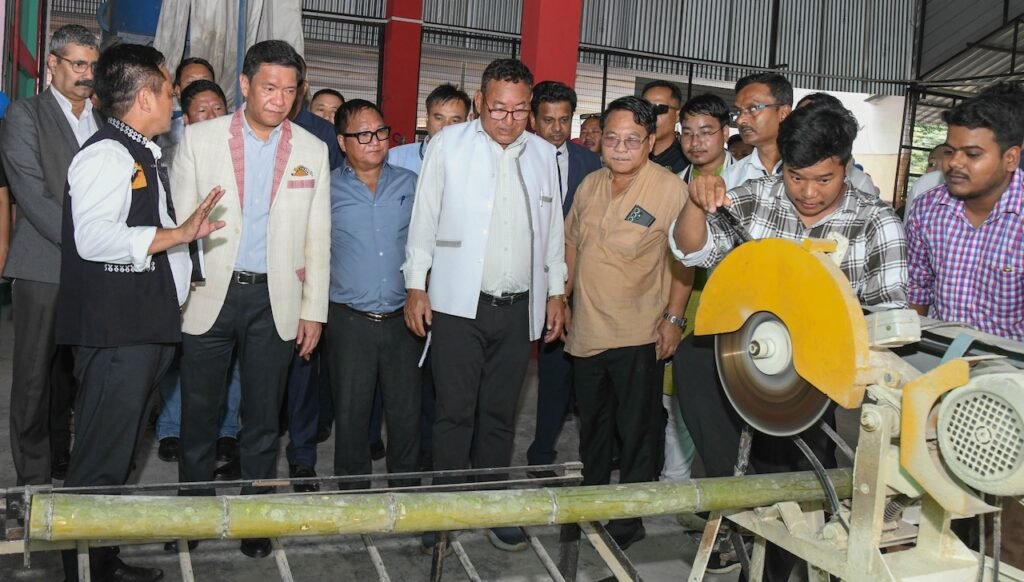
Bamboo can drive Arunachal’s economy: Khandu

ITANAGAR : Chief Minister Pema Khandu on Monday described bamboo as the state’s “Green Gold” and called upon local youth to harness its vast potential for entrepreneurship, employment generation and sustainable economic growth. Inaugurating the Arunachal Pradesh Bamboo & Cane Technology Centre at Gungu near here, Khandu said the new centre would transform the state’s abundant bamboo resources into value-added products and create livelihood opportunities for youth, artisans, self-help groups and entrepreneurs, an official release said. Arunachal possesses the country’s second-largest bamboo stock and over 60 bamboo species. “Bamboo is not a new subject for us. It has always been an integral part of the social, cultural and economic life of our tribal communities,” the chief minister said, adding that the facility would serve as a hub for innovation, skill development, value addition and commercialisation of bamboo products. Highlighting the expanding industrial applications of bamboo, the Khandu said it is no longer confined to traditional handicrafts but is now being used in furniture, construction materials, textiles, biofuel and even aviation fuel. He credited Prime Minister Narendra Modi for reforms that removed bamboo from the category of trees under forest regulations, making its cultivation and commercial use easier. The chief minister urged unemployed youth, especially from the Gungu and Sangdupota areas, to take advantage of the training facilities at the centre and government-backed entrepreneurship schemes. He said bamboo-based enterprises can tap national and international markets through e-commerce platforms and benefit from initiatives such as the Prime Minister’s UNNATI Scheme and various MSME programmes. Advocating bamboo-based prefabricated housing technology, Khandu said such structures are lightweight, cost-effective and environmentally sustainable, making them particularly suitable for earthquake-prone Himalayan regions. He also stressed the need for a comprehensive bamboo policy and directed experts and officials of the Arunachal Pradesh Bamboo Resources and Development Agency (APBRDA) to prepare a long-term roadmap for bamboo cultivation, processing, regeneration and industrial utilisation. Emphasising the importance of skill development, the chief minister said the state must reduce its dependence on outside labour by equipping local youth with market-relevant skills. He observed that with major hydropower projects underway, Arunachal Pradesh would require thousands of skilled workers in the coming years. Khandu also said Sangdupota and adjoining areas are emerging as a key growth corridor for the Capital region due to the presence of major educational and institutional establishments. Responding to local demands, he assured support for improving water supply infrastructure and constructing a bridge to enhance connectivity to the Bamboo & Cane Technology centre. Forest Minister Wangki Lowang, local MLA Nabam Vivek, APBRDA Chairman Kipa Tatar, Vice Chairman Techi Necha, NEC Member T N Thongdok, senior officials, scientists and representatives of various boards and agencies were present on the occasion. (Source: PTI)