

ONLINE AGE

(Online version of the Arunachal Age newspaper)

Author name: OnlineAge

REGIONAL

Sikkim CM pushes for organic farming, infra and highway solutions at Shillong NEC meet

GANGTOK : Sikkim Chief Minister Prem Singh Tamang highlighted the state’s key development priorities, including organic agriculture, infrastructure, tourism and connectivity, during the 73rd Plenary Meeting of the North Eastern Council held in Meghalaya’s capital Shillong, an official statement said on Friday. The meeting held on Thursday was chaired by Union Home Minister and NEC chairman Amit Shah and was attended by Union Minister for Development of North Eastern Region (DoNER) Jyotiraditya M. Scindia, governors and chief ministers of the northeastern states. According to the statement, Tamang in his address said Sikkim’s development agenda is aligned with the vision of Viksit Bharat 2047 and focuses on sectors such as organic farming, education, skill development, MSMEs, innovation, tourism and infrastructure. He stressed the need to strengthen agricultural value chains and market linkages across the Northeast and sought continuation of the Mission Organic Value Chain Development for North Eastern Region (MOVCDNER) scheme to sustain the momentum of organic farming. The CM also requested the Centre to extend the benefits of the North East Industrial and Investment Promotion Policy (NEIIPP) beyond 2027 to support industrial growth and investment in the region, it said. The statemnt said that as convenor of the High-Level Task Force on Agriculture and Horticulture for Addressing Gaps in Value Chains and Market Linkages in the North Eastern Region, Tamang presented the task force’s recommendations aimed at improving market access, boosting agricultural productivity, promoting value addition and ensuring sustainable growth in the agriculture and horticulture sectors. It said that Tamang raised concerns over recurring flash floods in the state and pressed for a permanent solution to connectivity issues along National Highway 10, the state’s lifeline. Tamang also urged the early completion of key road, rail, air and digital infrastructure projects and sought immediate restoration measures for the Chungthang-Lachen road damaged in the Tarum Chu area of North Sikkim, the statement said. The CM said the deliberations reflected a shared commitment among northeastern states and the Centre towards promoting sustainable and inclusive development across the region, it said. (Source: PTI)    
REGIONAL

Women from SHGs plant over one crore saplings in Assam

GUWAHATI : Women from Self Help Groups (SHGs) in Assam created a record by planting over one crore saplings across the state on the occasion of World Environment Day on Friday, Chief Minister Himanta Biswa Sarma said. Sarma, in a social media post, said that Assam achieved a historic milestone with the planting of 1.02 crore saplings in just eight hours. ”In just over 8 hours, over 1.02 crore saplings have been planted by the people, in an effort led by Assam’s enterprising #NariShakti, setting a new record in our green efforts. Compliments to all my sisters for achieving this feat”, Sarma posted in X. The Chief Minister’s Office in another post said that on the occasion of World Environment Day, ”women from SHGs and the public enthusiastically responded to the call of HCM Dr @himantabiswa to plant 1 crore saplings across Assam as part of a statewide green initiative”. Governor Lakshman Prasad Acharya also joined the nationwide observance of World Environment Day by planting saplings at Jyoti Bishnu Antarjatik Kala Mandir in Guwahati, where the oath-taking ceremony for 12 ministers took place earlier in the day. Acharya urged citizens to actively contribute to increasing green cover and protecting the environment for the well-being of present and future generations. Referring to this year’s theme, “Inspired by Nature for Climate, for Future,” he emphasised that safeguarding nature is essential for addressing climate challenges and ensuring a sustainable future. The governor also called upon people from all walks of life to adopt environmentally responsible practices and participate in afforestation initiatives, noting that every sapling planted today is an investment for a healthier and greener tomorrow. The chief minister had also planted a sapling at the same venue after the oath-taking ceremony. (Source: PTI)

Editorial

The OSM disaster: How students were let down

India’s education establishment has a peculiar relationship with reform: it announces it loudly, implements it hastily, and then retreats into silence when things go wrong. The CBSE OSM controversy of 2026 is only the latest — and perhaps the most damaging — example of this pattern. When CBSE introduced On-Screen Marking for Class 12 board examinations this year, it presented it as a leap into transparency and modernity. Answer scripts would be scanned, uploaded to a secure portal, and evaluated digitally by teachers from their own schools — no more physical transport, no totalling errors, no delays. The pitch was impeccable. The execution was not. What unfolded after results were declared on May 13 was, by any measure, a crisis. Students reported shockingly low marks that bore no resemblance to their preparation or performance. Many answer sheets had been scanned with blurred or illegible images, making fair evaluation almost impossible. The re-evaluation portal malfunctioned under load. Teachers, already struggling with a system they had barely trained on — in some cases for just one week — reported screen fatigue, repeated corrections, and mounting anxiety during the high-stakes evaluation period. The rot, it turns out, ran deeper. The OSM contract was reportedly awarded to Hyderabad-based Coempt Edu Teck — the lowest bidder — over more established players. A 19-year-old cybersecurity researcher then publicly disclosed multiple critical vulnerabilities in the OSM portal, including the potential for unauthorised access to examiner accounts and modification of marks. He had reported these to CERT-In in February; most remained unpatched by May. Meanwhile, teachers in Delhi were issued show-cause notices when Class 12 results slumped at the national level — effectively penalising educators for failures that were structural. To compound matters, CBSE had simultaneously abolished post-result verification of marks for Class 12 — the very safety net that would have allowed aggrieved students a formal recourse. The way out demands more than an apology. First, CBSE must immediately restore the right to post-result verification and process all pending re-evaluation requests free of cost, given that the fiasco was institutional rather than student-driven. Second, an independent technical audit of the entire OSM process — from scanning hubs to examiner interfaces to data security — must be commissioned and made public. Third, accountability must reach the decision-makers who overrode teacher warnings, not just the vendor. And fourth, any further expansion of OSM must follow genuine piloting, rigorous teacher training, and independent security certification. The implications for children are not abstract. Class 12 scores determine college admissions, scholarship eligibility, and in many Indian families, the entire arc of a young person’s life. A wrongly awarded mark — whether too low due to a blurred scan or tampered by a security breach — is not a statistical error. It is a stolen opportunity.   CBSE owes its 1.8 million Class 12 students not just answers, but justice. (Source: The Pioneer)  

Latest News, Popular News, State News

ICR administration seals unauthorised mosques after verification drive

Staff Reporter ITANAGAR : The Itanagar Capital Region (ICR) administration has sealed a number of unauthorised Jama Masjids and mosques operating within the capital region after they allegedly failed to comply with statutory and regulatory requirements despite repeated notices and opportunities provided by the authorities. The development was disclosed by Arunachal Pradesh Government spokesperson and Education Minister Pasang Dorjee Sona while briefing reporters at the Civil Secretariat here on Thursday. According to an official report submitted to the Principal Secretary (Home), the action followed a memorandum submitted by the Arunachal Pradesh Indigenous Youth Organisation (APIYO), which alleged that several Jama Masjids and mosques were functioning without obtaining the requisite permissions and statutory approvals from the competent authorities. Following the complaint, the Itanagar Assistant Commissioner initiated a verification exercise and directed the management committees of the institutions concerned to furnish documents relating to registration, land ownership, building permissions, development approvals and other statutory clearances required for lawful establishment and operation. Sona said the administration had issued an order on January 30 directing the institutions to submit the required documents within the stipulated period. However, despite being given adequate opportunities, they reportedly failed to furnish satisfactory records establishing compliance with applicable laws and regulations. Upon completion of the verification process, the administration found that the institutions had not produced valid documentation to meet the prescribed legal requirements. Consequently, a notice issued on May 28 directed the institutions to obtain registration from the competent authorities, secure necessary building and development permissions, and suspend all construction and religious activities until compliance was achieved. The notice also warned that failure to comply within the prescribed period would result in sealing of the establishments without further notice. After the deadline expired, the administration found that the directions had not been complied with. Accordingly, the Itanagar Assistant Commissioner carried out the sealing of the identified establishments on Thursday in the presence of police personnel and in accordance with due legal procedure, Sona said. He added that the operation was conducted peacefully without any law-and-order issues, with adequate security arrangements put in place to ensure smooth execution of the exercise. Referring to APIYO’s proposed 24-hour capital bandh, Sona said the organisation’s demands had already been addressed by the administration before the expiry of its ultimatum. He therefore urged the organisation to withdraw the proposed shutdown in the larger interest of maintaining peace and normalcy in the capital region. APIYO had earlier served a seven-day ultimatum on the state government seeking action against several Jama Masjids and mosques allegedly operating in the ICR without the required permissions, registrations and statutory approvals.      

Latest News, Popular News, REGIONAL, State News

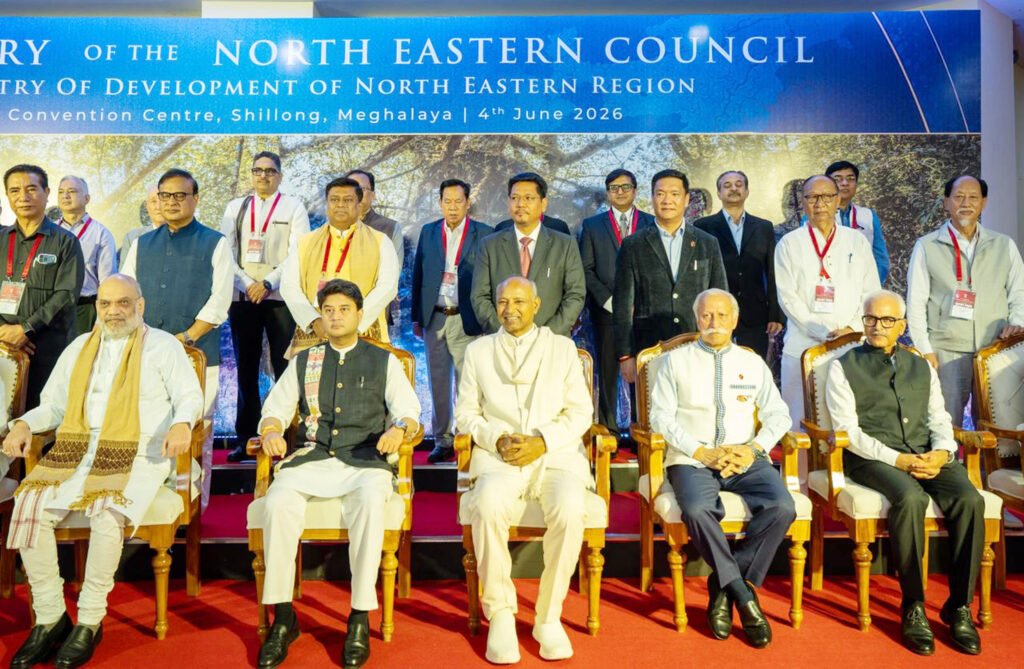
Parnaik seeks continued NEC support for Arunachal’s development

SHILLONG : Governor Lt Gen KT Parnaik (Retd) has sought continued support from the North Eastern Council (NEC) to address the state’s critical developmental needs, while highlighting Arunachal Pradesh’s steady progress across key sectors. Participating in the 73rd Plenary Session of the NEC in Shillong on Thursday, the Governor tabled his address outlining the state’s developmental journey and the transformative impact of initiatives supported by the Ministry of Development of North Eastern Region (DoNER), the Ministry of Home Affairs (MHA) and the NEC. Emphasising the importance of sustained cooperation, Parnaik said the NEC must continue to evolve as a dynamic institution promoting regional planning, policy innovation, knowledge-sharing and coordinated implementation of development programmes. He noted that continued support would be crucial in addressing challenges related to connectivity, border infrastructure, security and economic development. Expressing gratitude to the Government of India, particularly the MHA, DoNER Ministry and NEC, the Governor said the council has emerged as an important platform for addressing the aspirations and developmental priorities of the Northeastern region through collaborative dialogue and collective action. Highlighting Arunachal Pradesh’s achievements, Parnaik said the state has registered significant progress in governance, infrastructure, connectivity, education, healthcare, agriculture, rural livelihoods, hydropower, entrepreneurship, skill development, sports, and preservation of art, culture and heritage. The Governor also appreciated the Centre’s decision to launch the ₹167-crore Mission Arunachal Kiwi, describing it as a landmark initiative for strengthening the state’s horticulture sector. Noting that Arunachal Pradesh accounts for more than half of India’s kiwi production and was the first state to receive organic certification for kiwi cultivation, he said the mission would boost value addition, improve market access and create new livelihood opportunities. Parnaik further highlighted the impact of the Vibrant Villages Programme, stating that the initiative has accelerated development in border areas through improved infrastructure, connectivity and livelihood generation. He said the programme has encouraged entrepreneurship and helped create economic opportunities through homestays, eco-tourism ventures, handicrafts and other community-based enterprises. Reflecting on the state’s growth trajectory, the Governor said Arunachal Pradesh is today more connected, economically vibrant and institutionally stronger than ever before, with improvements in road networks, digital connectivity, healthcare, education and overall quality of life. Expressing confidence in the future of the region, Parnaik said that with sustained support from the Government of India, proactive leadership of the NEC and the collective commitment of all Northeastern states, the vision of a prosperous, connected, secure and sustainable North East is steadily becoming a reality. He reaffirmed Arunachal Pradesh’s commitment to the goals of ‘Viksit Arunachal’ and ‘Viksit Bharat’, aligning the state’s development agenda with India’s vision of inclusive and sustainable growth by 2047.      

Latest News, Popular News, State News

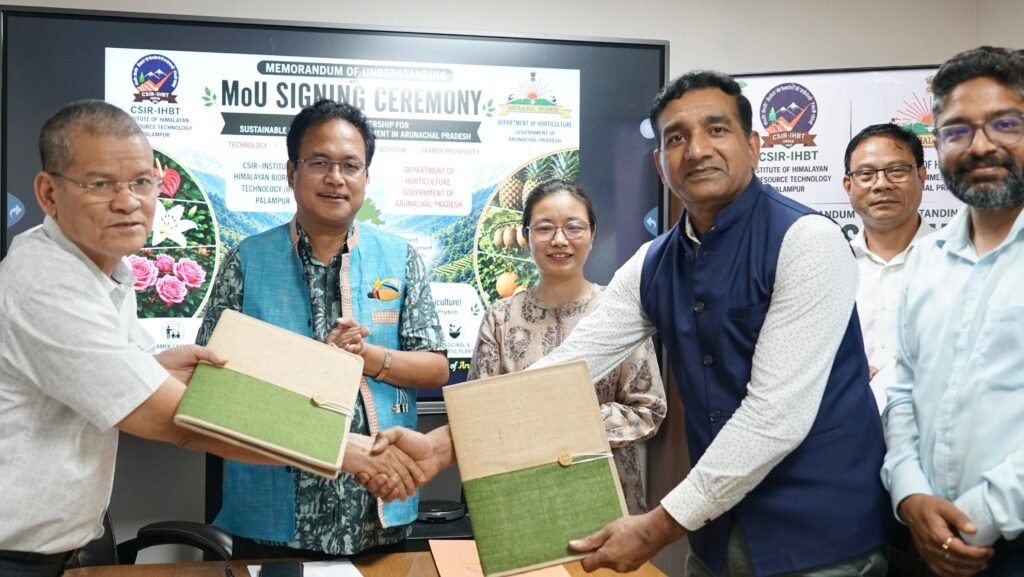
Arunachal, CSIR-IHBT sign MoU to boost horticulture and floriculture development

ITANAGAR : In a significant boost to Arunachal Pradesh’s horticulture sector, the Department of Horticulture signed a Memorandum of Understanding (MoU) with the Council of Scientific and Industrial Research–Institute of Himalayan Bioresource Technology (CSIR-IHBT), Palampur, Himachal Pradesh, on Thursday to promote scientific collaboration, technology transfer and sustainable horticultural development. The MoU was signed and exchanged between Director of Horticulture Tobom Bam and CSIR-IHBT Director Dr Sudesh Kumar Yadav in the presence of Horticulture Minister Gabriel D Wangsu, Horticulture Secretary Koj Rinya and senior officials from both sides. The programme began with a presentation by CSIR-IHBT Principal Scientist Dr Bhavya Bhargava, who highlighted the institute’s achievements and ongoing work in Himalayan horticulture, floriculture, medicinal and aromatic plants, bio-resource management and climate-resilient agricultural practices. Addressing the gathering, Dr Yadav underscored the vast scope for collaboration between CSIR-IHBT and Arunachal Pradesh and reaffirmed the institute’s commitment to providing scientific and technical support for the state’s horticultural development. Speaking on the occasion, Wangsu stressed that the agreement must translate into tangible outcomes rather than remain a mere formality. “This is not just an MoU. Hopefully, it will do wonders in the future. Along with an action plan, clear timelines must also be fixed,” he said. The minister observed that many initiatives falter during implementation and urged both sides to ensure professional execution and timely completion of all activities under the partnership. “Every step and every action taken under this partnership should be beneficial to our state. The entire process must be carried out professionally,” he said. Highlighting the similarities in the agro-climatic conditions of Himachal Pradesh and Arunachal Pradesh, Wangsu said the institute’s expertise would be highly relevant to the state’s developmental goals. He also called for expanding cooperation beyond floriculture to include high-value fruits and vegetables, medicinal and aromatic plants and other bio-resource sectors. “The bio-resource sector holds immense potential, and together we can contribute significantly not only to the development of Arunachal Pradesh but also to the nation. We have a long way to go with this collaboration,” he added. Assuring full government support, Wangsu directed departmental officers to extend all necessary cooperation for the successful implementation of the partnership and expressed confidence that the collaboration would benefit both the state and the country. Horticulture Secretary Koj Rinya described the MoU as a step towards science-driven growth in the sector and expressed optimism about its long-term impact. She noted that the partnership builds on the success of an advanced floriculture training programme conducted in January this year with technical support from CSIR-IHBT scientists. According to Rinya, the agreement seeks to institutionalise cooperation in areas such as technology transfer, capacity building, research collaboration, value addition, sustainable resource management and market-oriented horticultural development. The ceremony concluded with both sides reaffirming their commitment to building a robust, innovative and sustainable horticulture ecosystem in Arunachal Pradesh.        

Latest News, Popular News, State News

Unions threaten disruption of water, electricity supply over pending wages

Staff Reporter ITANAGAR : The Arunachal Pradesh Trade Union Federation (APTUF) and the All Arunachal Pradesh Workers’ Union (AAPWU) on Thursday served a 14-day ultimatum on the state government, demanding the immediate release of pending wages and continuation of services of casual labourers and contingency employees, failing which they threatened to launch an agitation, including a 24-hour shutdown of water and electricity supply in the capital. Addressing a press conference at the Arunachal Press Club, leaders of the two unions said they had submitted a joint memorandum to the concerned Principal Secretary, highlighting the difficulties faced by thousands of casual and contingency workers employed in various government departments. The unions alleged that wages of casual labourers and contingency employees have remained unpaid since October 2025. They claimed that a meeting chaired by the Finance Commissioner on February 6, 2026 had decided to halt wage payments to such workers engaged in different works departments across the state. According to the unions, the decision has pushed many workers and their families into severe financial hardship, particularly amid rising costs of essential commodities, fuel and house rent. Union leaders further stated that a joint delegation had met the Chief Secretary and Finance Commissioner on March 12, seeking continuation of services and release of pending wages. They claimed that assurances were given that the dues would be cleared within a month, but no action has been taken so far. Demanding immediate intervention, the unions urged the government to clear all pending dues and ensure continuity of services within 14 days of the submission of the memorandum. “Even after the completion of the 14-day ultimatum, if the state government fails to continue the services and release the pending wages within the stipulated period, the unions will be compelled to initiate democratic movements, including a complete shutdown of water and electricity supply, without further notice,” the union leaders warned. The memorandum has also been forwarded to Governor Lt Gen KT Parnaik (Retd), Chief Minister Pema Khandu, Deputy Chief Minister Chowna Mein, the Chief Secretary, Labour Commissioner and heads of various departments for necessary action, the unions informed.    

Latest News, Popular News, State News

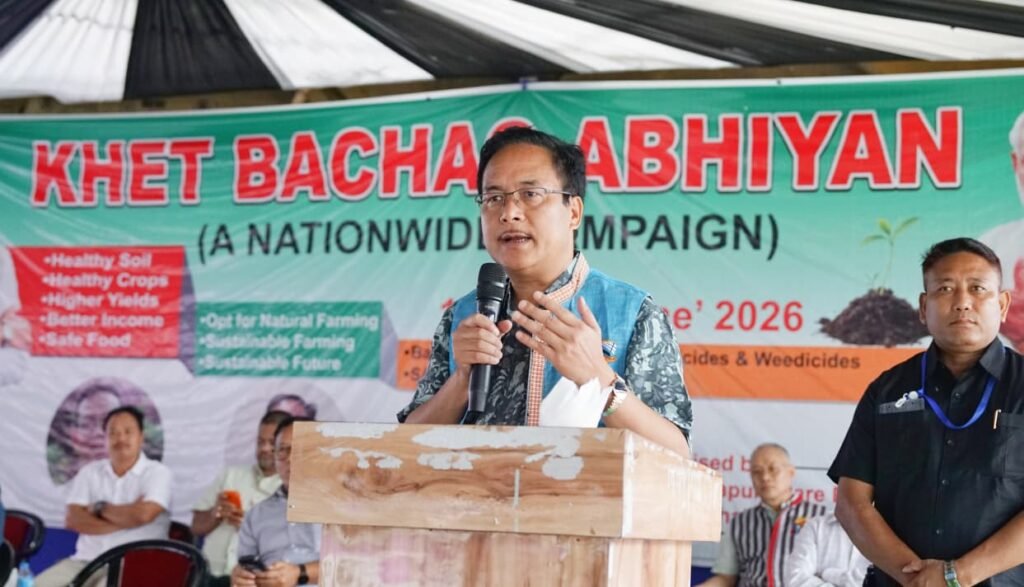
Statewide Khet Bachao Abhiyan launched to promote sustainable farming

DOIMUKH : Agriculture and Allied Departments Minister Gabriel D Wangsu on Thursday launched the statewide ‘Khet Bachao Abhiyan’ at Tana Hari Fish Farm in Emchi village near Doimukh, calling on farmers, government agencies and the public to join a collective movement to protect the state’s soil health and promote sustainable agriculture. Organised by the District Agriculture Office, Yupia, the programme was attended by farmers, panchayat leaders, members of Kisan Morcha and agriculture officials from across Papum Pare district. Addressing the gathering, Wangsu said the campaign seeks to address growing concerns over soil degradation, loss of agricultural land during monsoon seasons, declining soil fertility and environmental imbalances caused by excessive use of chemical fertilisers. “This abhiyan resonates deeply with our people. Over the years, we have neglected our indigenous food systems and overexploited our land. The excessive use of chemical fertilisers has damaged both our soil and water resources,” he said. Emphasising the need for sustainable farming practices, the minister urged farmers to reduce dependence on chemical inputs and adopt eco-friendly alternatives such as natural farming and vermicomposting. He described soil conservation as a tribute to the traditional wisdom of ancestors who nurtured the land through sustainable agricultural practices. “Saving our soil is not a political movement. It is our collective responsibility towards our land, our farmers and our future. Though the results may not be immediate, we must persevere,” Wangsu said. He also expressed gratitude to Prime Minister Narendra Modi and the Union Ministry of Agriculture and Farmers Welfare for launching the nationwide initiative. As Guest of Honour, MLA Nabam Vivek said the gradual shift away from natural farming practices had made such awareness campaigns necessary. “We have gradually moved away from natural farming, which has made such an awareness movement necessary. The campaign is ultimately about the health of our citizens and ensuring access to safe and healthy food,” he said. Papum Pare Deputy Commissioner Lobsang Tsering also lauded the initiative, describing it as a visionary effort aimed at safeguarding the state’s agricultural future. The programme included technical sessions on balanced fertiliser use, soil health management and natural farming practices for farmers and stakeholders. Among those present were Agriculture Director Nokliam Sumnyang, Joint Director (Plant Protection) and other departmental officials. Khet Bachao Abhiyan is a month-long nationwide awareness campaign of the Ministry of Agriculture and Farmers Welfare running from June 1 to 30. The initiative focuses on soil health management, balanced use of fertilisers, promotion of natural farming, reduction in edible oil consumption and preparedness against drought conditions through training programmes and field-level demonstrations across the country. At Tawang, the district-level Kheti Bachao Abhiyaan was launched during a programme held at the Deputy Commissioner’s Conference Hall,  led by Tawang In-charge Deputy Commissioner Rinchin Leta and attended by officials of agriculture and allied departments, representatives of Panchayati Raj Institutions, community-based organisations, Community Resource Persons (CRPs) and farmers. Addressing the gathering, Leta emphasised the need to safeguard cultivable land from unplanned construction and encourage organic and natural farming practices. He said excessive use of chemical inputs harms the environment and destroys beneficial microorganisms and earthworms essential for maintaining soil fertility and crop productivity. Leta urged officials and community leaders to continue educating farmers through demonstrations and awareness programmes even after the campaign period. He also highlighted the importance of crop rotation in maintaining soil health and ensuring sustainable agricultural production.    

Latest News, Popular News, State News

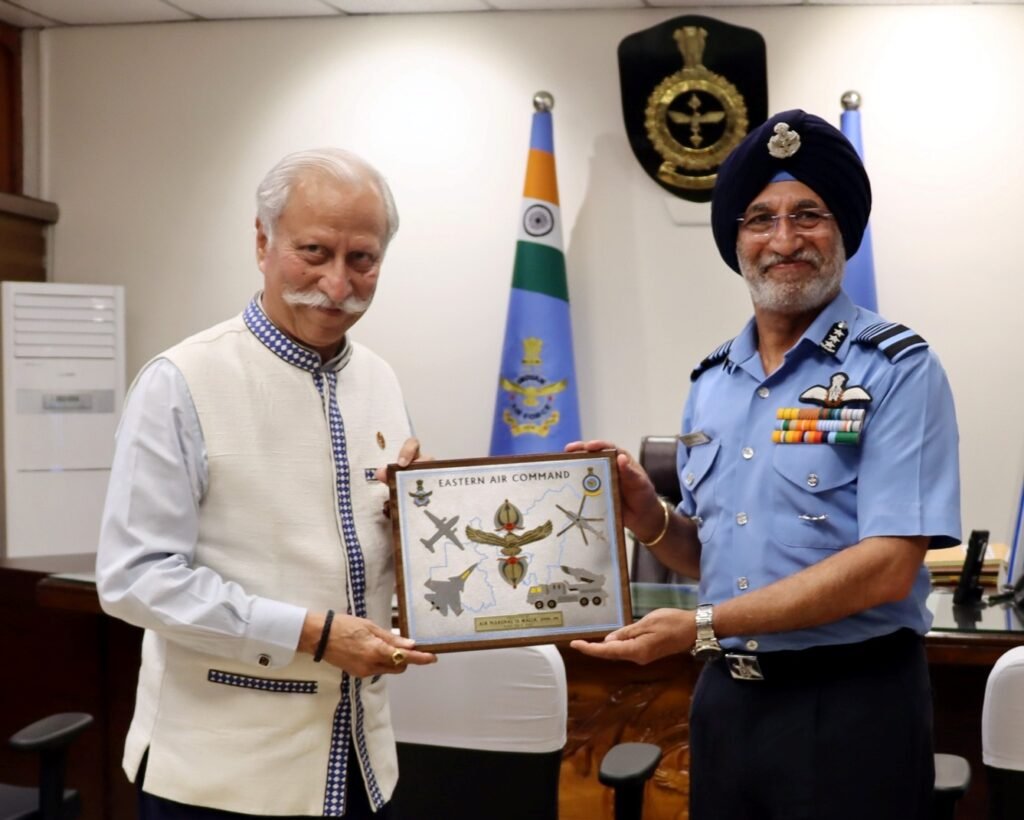
Governor calls for strengthening ALGs in Arunachal

SHILLONG : Governor Lt Gen KT Parnaik (Retd) has called for further strengthening the network of Advance Landing Grounds (ALGs) across Arunachal Pradesh, underscoring their critical role in national security, disaster response, connectivity and border area development. The Governor made the remarks during a visit to the Headquarters Eastern Air Command in Shillong on Thursday, where he held detailed discussions with Eastern Air Command Air Officer Commanding-in-Chief Air Marshal Inderpal Singh Walia. Highlighting the strategic importance of Arunachal Pradesh, Parnaik said well-maintained ALGs are essential for ensuring rapid response capabilities, improving access to remote regions and supporting the overall development of border areas. The Governor, who is in Shillong for the Plenary Session of the North Eastern Council (NEC), also appreciated the significant contribution of the Eastern Air Command in serving the people of Arunachal Pradesh, particularly those living in remote and inaccessible areas. He commended the Indian Air Force (IAF) for its vital role in ration-dropping operations, transportation of essential supplies, medical evacuations and emergency assistance during natural disasters and other emergencies. He noted that such services have often proved to be a lifeline for communities facing connectivity challenges due to the state’s difficult terrain. Parnaik also lauded the Inter-Advance Landing Ground Football Tournament, describing it as an effective platform for strengthening ties between Air Warriors and local communities. He expressed satisfaction over the enthusiastic participation of local youth and suggested that similar sporting events in other disciplines be organised regularly to nurture talent and promote community engagement. During the meeting, the Governor and the Air Marshal also discussed issues relating to air connectivity, border infrastructure, disaster management and the welfare of the people of Arunachal Pradesh. Air Marshal Walia assured the Governor of the IAF’s continued support to the people of Arunachal Pradesh and reaffirmed the Eastern Air Command’s commitment to humanitarian assistance, emergency response, connectivity and national security.        

Latest News, Popular News, State News

Papum Pare DC calls for greater dedication to improve education standards

YUPIA : Papum Pare Deputy Commissioner Lobsang Tsering on Wednesday called for greater dedication, professionalism and sustained efforts to improve educational standards across the district while reviewing key initiatives and academic performance of the Education Department. Chairing a coordination meeting of the department at the DC Conference Hall, Tsering stressed that punctuality, sincerity, dedication and transparency are the cornerstones of public service and urged all employees to uphold these values in the discharge of their duties. Highlighting the crucial role of educators, the DC said teachers should go beyond classroom instruction and focus on inculcating moral values, civic sense and ethics among students to help shape responsible citizens. While appreciating the improvement in Central Board of Secondary Education (CBSE) examination results, he encouraged the department and teaching fraternity to intensify efforts to achieve even better academic outcomes in the coming years. During the meeting, Certificates of Appreciation were presented to Government Higher Secondary School Balijan, Government Higher Secondary School Kimin, Government Higher Secondary School Banderdewa and Kasturba Gandhi Balika Vidyalaya (KGBV) Sagalee for securing 100 per cent pass results in the 2025–26 CBSE examinations. Principals of the schools shared their success stories and best practices that contributed to the achievement. The DC also directed the department to expedite pending Land Possession Certificates (LPCs) for schools through close coordination with the Land Department. On infrastructure development, Tsering emphasised the need for regular monitoring and close coordination with executing agencies to ensure timely and quality execution of projects sanctioned under various funding heads. He said quality infrastructure is essential for strengthening the education sector. Stressing the importance of cleanliness in educational institutions, he informed that discussions would be initiated for implementing effective waste management and waste segregation practices in school campuses. Earlier, Papum Pare Deputy Director of School Education T T Tara welcomed the participants and outlined the objectives of the meeting. A detailed presentation by District Project Coordinator (ISSE) Moromi Tang reviewed issues relating to school mergers, pending LPCs, educational initiatives under the Integrated Scheme for School Education (ISSE), CBSE examination results, pupil-teacher ratios and other departmental developments. The meeting witnessed active participation from officials, school principals and other stakeholders of the district education department. (DIPR)